Best Scuba Regulators (2026 Guide)
Posted by Elma Tarr on February 3rd, 2026

Our Best Scuba Regulator Picks for Every Diver
- a first stage regulator, which is connected to your air tank to reduce tank pressure to an intermediate pressure (1st stage of pressure reduction).
- a second stage regulator (mouthpiece) which drops the intermediate pressure to a breathable enviorment (2nd stage of pressure reduction).
One of the most important things a scuba regulator does is adjust the intermediate pressure based on the pressure of the water around you (ambient pressure). This makes it easy to breathe comfortably as you go deeper. Without this, a simple hose to the surface, for example, wouldn't work because it wouldn't adjust for pressure changes at different depths. As diving technology improves, today's top regulators are designed to meet different diving needs. Whether you're a recreational- or technical diver who needs extreme reliability and performance, most regulators now come with advanced features, including octopus setups for safety and backup and some kind of anti-freezing technology.
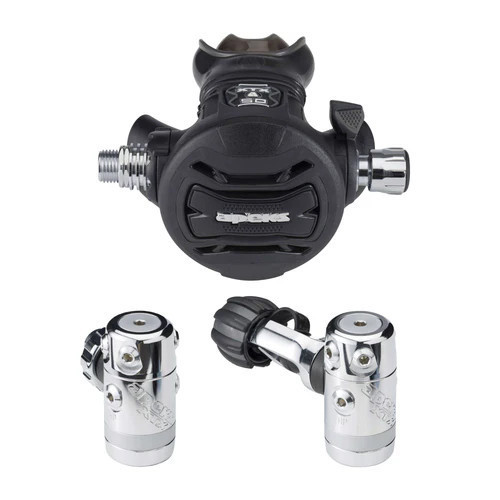
It may seem overwhelming to find the right choice amongst the many regulators available today, so we have summarised them into 9 'best scuba regulator' categories. We were able to do this after testing each of these regulators over multiple or hundreds of dives. Some of our staff own these exact regulators themselves, like Wayne Tarr who uses the Apeks XTX 50 Dive Regulator, an dives with this reg around the world, from South Africa to the Philippines. For those we don't own, we tested meticulously in a range of conditions, from cold water (when possible) to the tropics, at different depths and conditions. This allows us to give our honest opinions, to make the choice easier for divers looking for their next regulator.
Bluewater Photo and Scuba picks for:
- Travel Scuba Regulator: Mares Ultra 62X Dive Regulator
- Budget Scuba Regulator: Mares Rover 2S Scuba Regulator
- Cold Water Scuba Regulator: Apeks MTX-RC Scuba Regulator
- Best Mid-Range Scuba Regulator: Aqualung Helix Pro Scuba Regulator
- Eco-Friendly Scuba Regulator: Apeks XL4 OCEA
- Extreme Diving Scuba Regulator: Apeks XTX 50 Dive Regulator
- Most Versatile Scuba Regulator: Mares ABYSS 22 NAVY II Regulator
- "Best Breathing" Scuba Regulator: Aqualung LEG3ND MBS Scuba Regulator
- "Work Mule" Scuba Regulator: Cressi AC2 + Compact Scuba Regulator

- Jump to Section -
Scuba Regulator Comparison Table
Regulator |
Best For |
First Stage Type |
Yoke / Din |
Cold Water Rated |
Weight (lbs / kg) |
Price |
|---|---|---|---|---|---|---|
|
Traveling Divers
|
Balanced Diaphragm
|
Both
|
Yes
|
3 lbs / 1.4 kgs
|
$579.95
$308.13
|
|
|
Divers on a Tighter Budget
|
Piston
|
Both
|
No
|
2.2 lbs / 1 kgs
|
$397.95
$319.95
|
|
|
Coldwater Divers
|
Balanced Diaphragm
|
Both
|
Yes
|
4 lbs / 1.8 kgs
|
$1,149.00
|
|
|
Divers with a mid-range budget
|
Balanced Diaphragm
|
Both
|
Yes
|
2 lbs / 0.9 kgs
|
$699.00
|
|
|
Eco-friendly Divers
|
Balanced Diaphragm
|
Both
|
Yes
|
3.5 lbs / 1.6 kgs
|
$829.00
|
|
|
Divers looking for Versatility
|
Balanced Diaphragm
|
Both
|
Yes
|
3.3 lbs / 1.5 kgs
|
$794.00
|
|
|
Extreme Divers
|
Balanced Diaphragm
|
Both
|
Yes
|
3 lbs / 1.4 kgs
|
$1,149.95
$869.95
|
|
|
Divers who prioritize smooth breathing
|
Over- Balanced Diaphragm
|
Both
|
Yes (very well)
|
2.5 lbs / 1.1 kgs
|
$1099.00
|
|
|
Divers in need of a 'woking mule' regulator
|
Piston
|
Yolk
|
Limited
|
2.86 lbs / 1.3 kgs
|
$
329.95
|
Regulator terminology explained:
Piston vs Balanced Diaphragm
- A Piston 1st stage regulator uses a simple piston mechanism to control the intermediate pressure. It's known for delivering high performance, especially in warm waters, and has fewer moving parts, making it reliable but more prone to freezing in cold water.
- A membrane (diaphragm) 1st stage regulator uses a flexible diaphragm to keep internal parts sealed from water and contaminants, which makes it better at protecting against cold or dirty environments. It's more complex but performs consistently in extreme conditions
Yoke vs. DIN
- A Yolk Regulator (or A-Clamp) has a screw-in attachment that clamps over the regulator valve, and is a popular option in tropical destinations and rental gear operations.
- A DIN regulator screws directly into the tank valve which is prefered in technical, deep and cold water diving as there is a greater high pressure seal compared to yoke.
Which should you choose?
Honestly, it depends on what type of diving you do and where you dive, as some locations cater mostly to DIN or alternatively, yoke. In my opinion, the safest bet is to choose a DIN regulator, and purchase a DIN to Yoke Adaptor that screws directly onto the DIN fitting.


The Best Travel Scuba Regulator
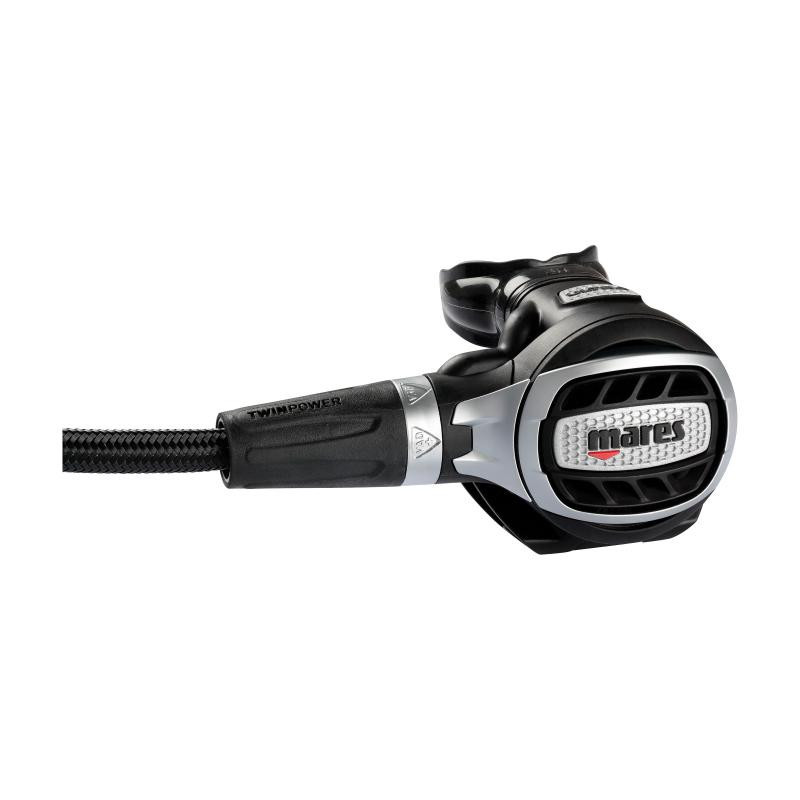
Mares Ultra 62X scuba regulator boasts an impressive set of technical specifications that cater to the needs of discerning divers. The first stage is the lightest that the market has to offer. With a first stage weight of 525g (DIN) or 742g (INT/YOLK), and a second stage weight of 190g, the regulator strikes a perfect balance between lightweight portability and robust construction. The high-pressure ports (2 HP 7/16" UNF) and low-pressure ports (4 LP 3/8" UNF) ensure a seamless integration with your dive gear, while the 75cm Superflex hose provides the flexibility and comfort you need during your dives.
Pros:
- Compact and Lightweight: The Mares Ultra 62X is one of the most compact and lightweight diaphragm first stage regulators that Mares offers, and when I was traveling, I barely noticed the weight of the regulator in my bag.
- Easy Breathing: It features a Twin Power System that allows divers to switch between natural breathing and assisted breathing with increased airflow. The vortex assisted design reduces the "punch" you might feel from breathing a lower end regulator.
- Cold Water Compatibility: The EN 250 certification ensures it is suitable for cold water diving.
- Durable Construction: The second stage is made from a techno polymer material that is both lightweight and durable.
Cons:
- Some divers may find that the compact second stage is not robust enough, depending on preferences.
- Sivers have reported a faint humming/or whistling underwater, but I did not experience this myself.
The Best Budget Scuba Regulator

Mares Rover 2S is considered one of the best budget regulators for scuba diving, known for its great mix of performance, reliability, and affordability. This regulator is durable and well-designed - providing consistent airflow and comfort in various diving conditions. With its balanced diaphragm first stage and dependable second stage, it ensures smooth and easy breathing, making it perfect for both beginners and experienced divers. Plus, it requires little maintenance, which adds to its cost-effectiveness. Its sturdy construction and user-friendly features make the Mares Rover 2 S a top choice for divers who want quality without breaking the bank. The Rover 2S has 1 high pressure port (7/16" UNF) and 4 low pressure ports (3/8" UNF) with a first stage weight of 608g (Yolk) or 432g (DIN).
Pros:
- Easy to maintain: The Mares Rover 2S is easy to maintain with a sandblasted finish to increase scratch resistance.
- Advanced Technology: The patented Vortex Assisted Design (VAD) system combined with the Fluid Dynamic Deflector (FDD) enables natural breathing at all depths.
- Durable Construction: The Rover second stage guarantees high performance, even after intensive use.
- The new large purge button features a 'dynamic hinge' design, which makes it easy to activate, even with a single finger. It also prevents free flow in the event of strong currents (which we saw for ourselves when diving in Fiji) and is made of a durable rubber material that can withstand over 113,000 venting cycles.
Cons:
- The Rover has an unsealed piston first-stage, meaning that this regulator is not ideal for coldwater diving.
- This regulator has a basic design and limited breathing resistence adjustment features or advanced venturi controls.
The Best Cold Water Scuba Regulator
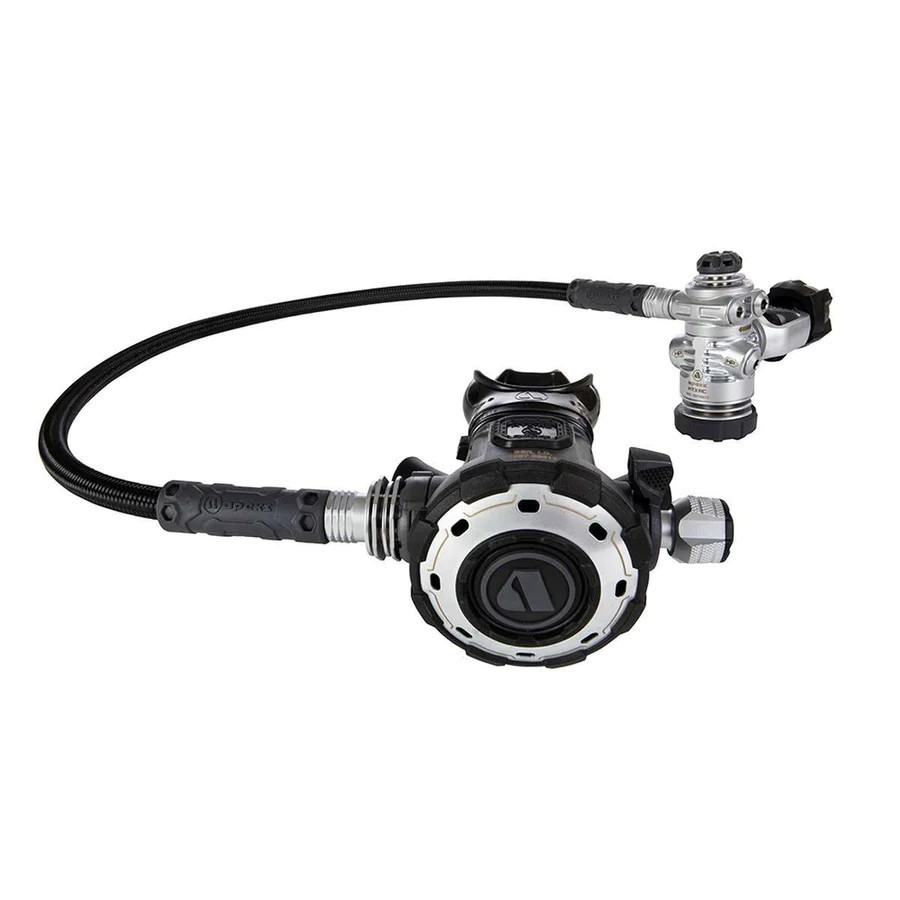
Apeks MTX-RC scuba regulator is considered the best regulator for cold water diving, thanks to its top-notch design and performance in extreme conditions. Built to handle freezing temperatures, the MTX-RC features an over-balanced diaphragm first stage that delivers consistent airflow, even in icy waters. Its unique heat-exchange system helps prevent free-flow by effectively managing the cold. With rugged, environmentally sealed construction and a corrosion-resistant finish, it's perfect for tough diving environments. Plus, it offers user-adjustable controls for breathing effort and venturi, allowing divers to customize their experience. The Apeks MTX-RC is the top choice for divers looking for reliable, high-performance gear in cold water. The regulator features 2 HP (7/16" UNF) ports and 5 MP (3/8" UNF) ports.
Pros:
- Proven cold-water reliability: An environmental dry system keeps water out of the main spring chamber preventing freezing, making the MTX-RC is ideal for cold water diving.
- Prevent free flow and control breathability: The MTX-RC features a control knob which can be closed at the surface to control free flow and increases breathability and depth thanks to venturi technology.
- Diver changeable exhaust system: Customize your exhaust experience with the included exhaust tee. The longer tee creates optimal exhaust dispersion- perfect for photographers, while the shorter tee is more suitable for travel.
Cons:
- It is heavier than most other regulators, meaning it may not be travel friendly
- It is also more expensive than many of the other regulators, but it is worth it for the advanced features that it offers.
The Best Mid-Range Scuba Regulator
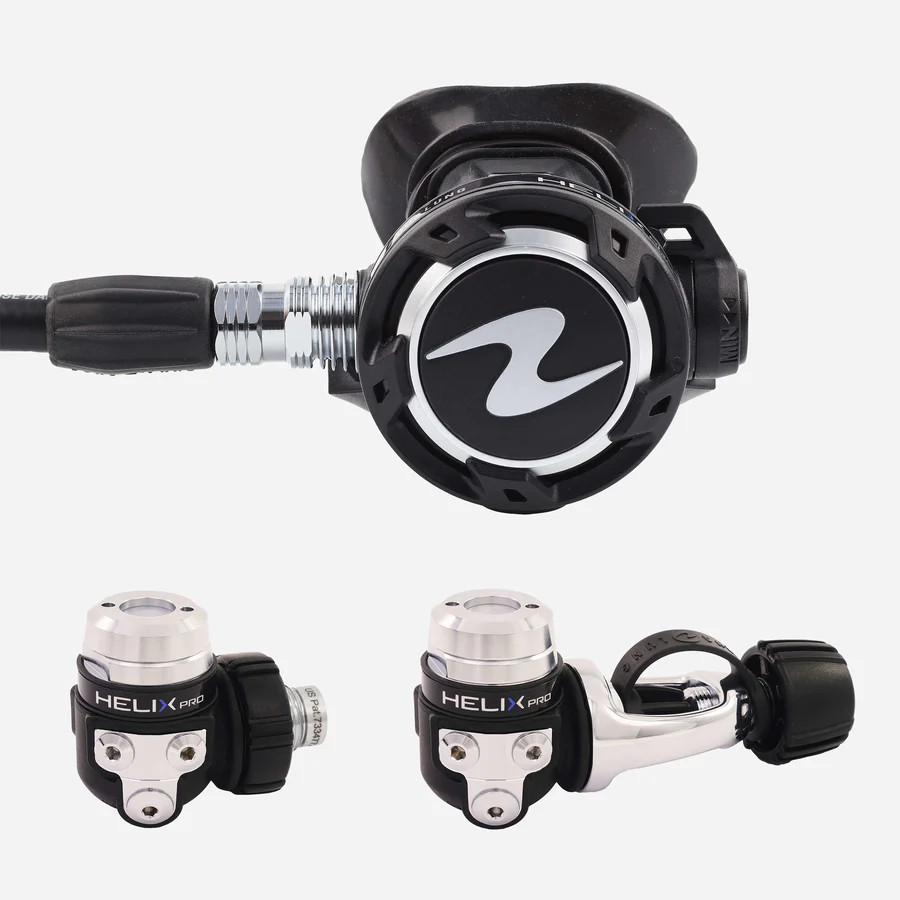
Aqualung Helix Pro dive regulator is a top pick for mid-range scuba diving gear, thanks to its great balance of performance, reliability, and affordability. It includes advanced features usually found in more expensive models, providing comfortable and easy breathing at different depths with its balanced first and second stages. The regulator's smart design features an efficient venturi switch and precise airflow adjustments, ensuring minimal breathing effort for divers. Built with durable materials, it stands up well in various underwater conditions, making it a reliable choice for both recreational and semi-professional divers. Overall, the Aqualung Helix Pro is a fantastic option for those looking for high-quality diving equipment without spending a fortune. The regulator features 2 HP ports (7/16”) and 4 MP ports (3/8”), perfectly oriented in a “T” shape for streamlined hose positioning, reduced exhalation effort, and sending bubbles out of your field of view. It is compatible up to EAN 40 right out of the box.
Pros:
- Balanced diaphragm: A balanced diaphragm provides superior, consistent performance.
- Comfo-Bite: Comfo-Bite mouthpieces are soft yet sturdy and reduce jaw fatigue with their unique palate bridge.
- Yolk and DIN: Available in yoke (3,300psi/232 bar max.) or DIN (4,350psi/300 bar max.)
- Venturi Knob: Helix Pro features an in-line ergonomic Venturi knob that allows you to make precise adjustments, even while wearing gloves. This easy-to-use knob gives you full control over the air delivery, allowing you to fine-tune your settings based on your individual preferences and diving conditions.
Cons:
- May not be well suited for to technical or cave/wreck divers.
- Breathing is not a smooth when divers are inverted
The Best Eco-Friendly Scuba Regulator
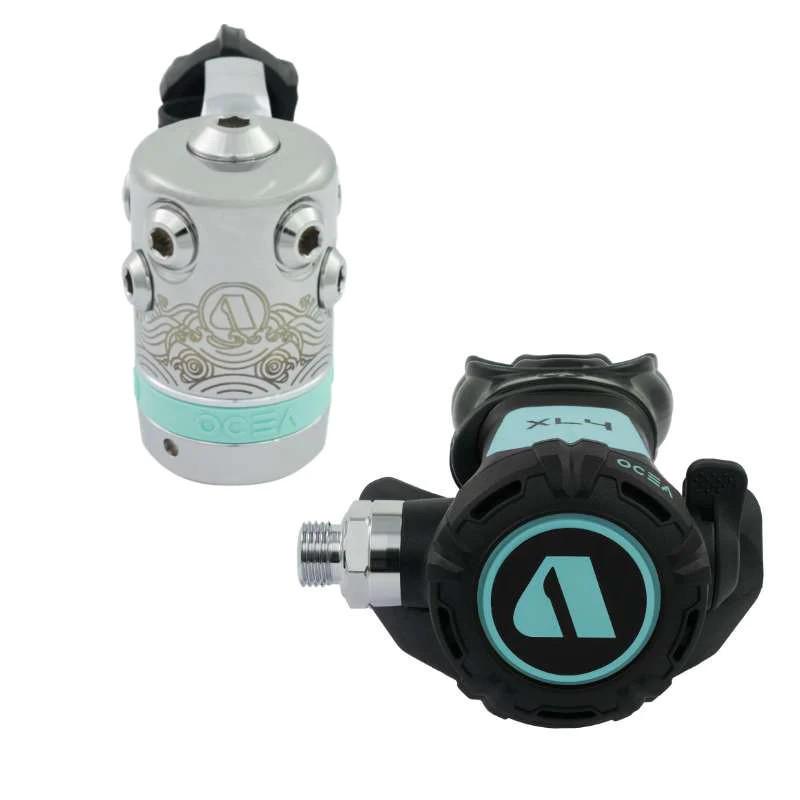
Apeks XL4 Ocea stands out as the best eco-friendly regulator available, combining sustainability with high performance. Made from recycled materials and packaged with minimal environmental impact, it supports eco-conscious divers without sacrificing quality. The compact and lightweight design is perfect for travel, and the balanced first and second stages make breathing easy at any depth. With features like an over-molded endcap and a flexible braided hose, it's both durable and efficient. Choosing the Apeks XL4 Ocea means enjoying a great diving experience while helping to protect the marine environment. This all make sthis one of my favorite regulators (plus, I like the mint green color). The regulator has 2 HP (7/16" UNF) ports and 4 MP (3/8" UNF) ports.
Pros:
- First of its kind: Made from recycled materials and bio-plastics, manufactured in a solar-powered facility
- Proven Performance: Designed based on the proven DS4 regulator. Over-balanced diaphragm for continuous performance, even at depth.
- Compact design: Lightweight second stage enhances comfort, reducing jaw fatigue during extended dives.
Cons:
- Some divers may find this to be slightly expensive for a travel regulator (worth it, in my opinion).
- The Apex Ocean has limited breathing adjustment controls, and does not have a user-adjustable cracking resistence knob like other Apex regulators.
The Best Extreme Diving Scuba Regulator
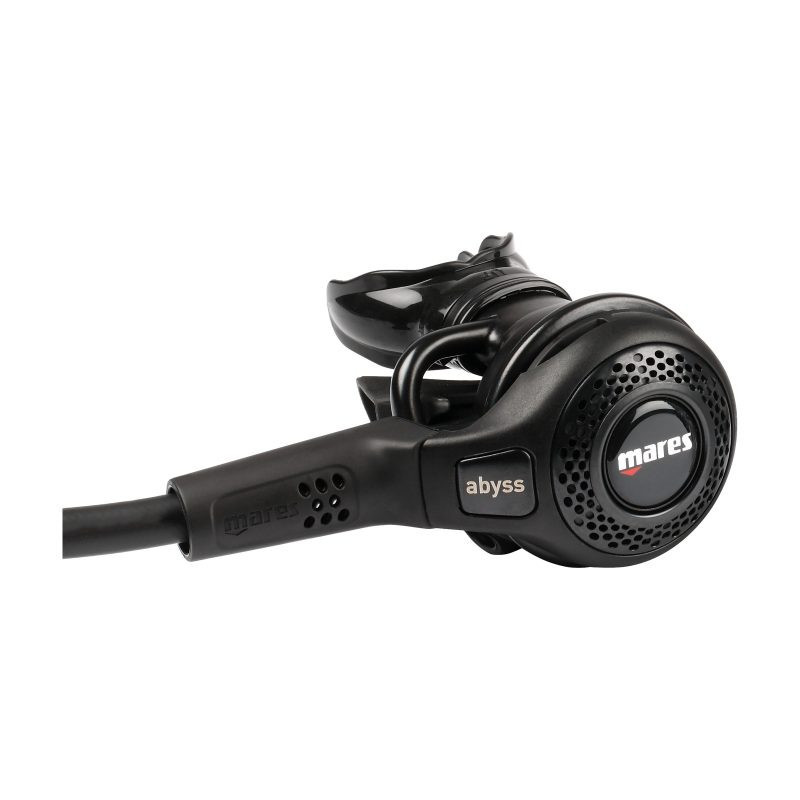
Mares Abyss 22 Navy II scuba diving regulator is especially designed to withstand the most extreme diving situations faced by US Navy forces around the world. The regulator comes with a special kit for diving in extremely cold water. The second stage is coated with a special fluoropolymer resin finish and features Mares' exclusive VAD system. We recommend the Mares Abyss 22 Navy II for anyone who needs a regulator that is tried-and-true and up to military standards.
Pros:
Cons:
The Most Versatile Scuba Regulator
Pros:
Cons:
The "Best Breathing" Scuba Regulator
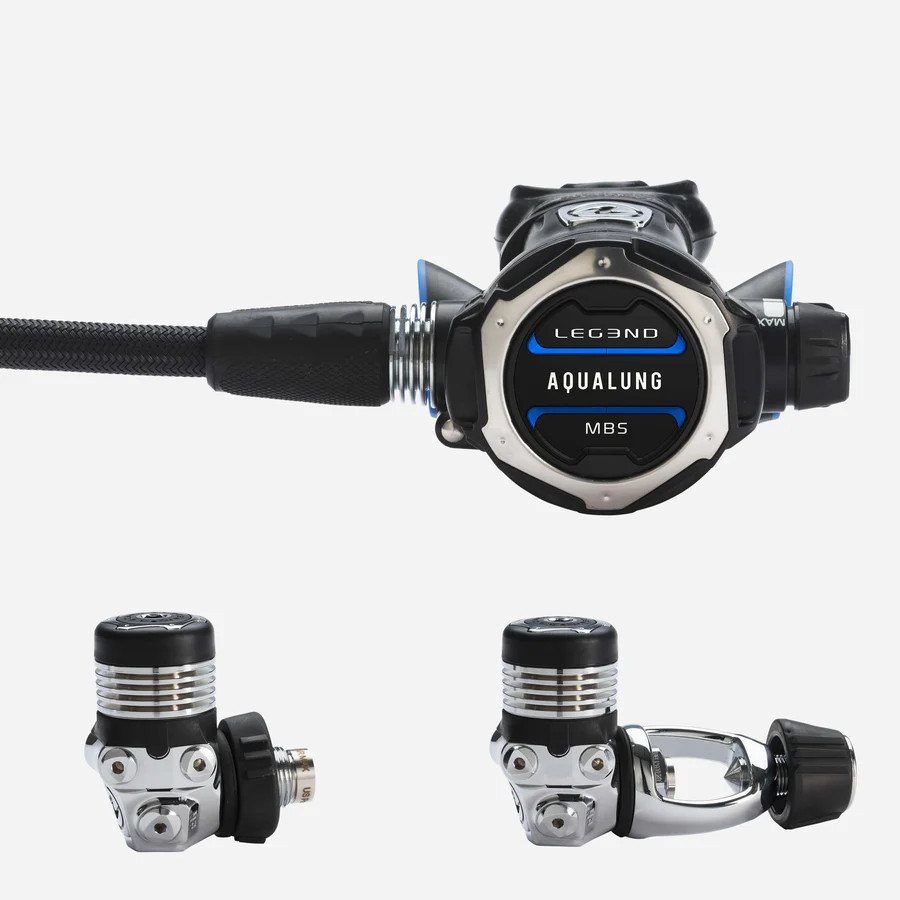
Aqualung Legend MBS dive regulator is designed to revolutionize your diving experience, this regulator offers a groundbreaking combination of Venturi effect and inhalation effort adjustment, putting you in complete control of your dive with one simple rotation. This is a great design for those divers who feel that not enough air is delivered to them while diving. It’s great for diving in cold water and has a cool feature – Auto closure Device- which protects the internal parts of the first stage from corrosion and contamination making sure the inlet filter is clean and dry for safer O2 percentages.
Pros:
Cons:
The "Work Mule" Scuba Regulator
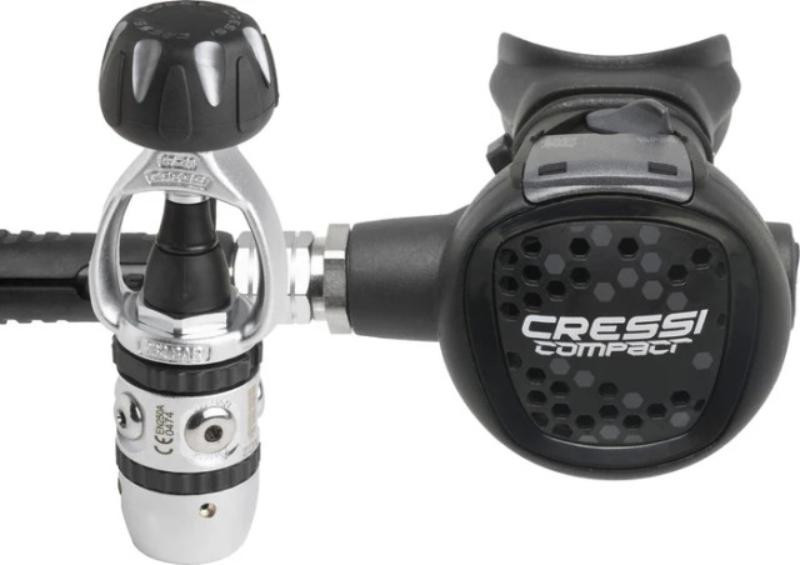
Cressi AC2/Compact scuba regulator is made to last. The regulator is affordable, reliable, simple and robust. Piston first stage plus a compact single-hull second stage. It has 1 HP and 4LP ports and weighs in at 923g – 32.6oz. It’s a simple setup that works and are used in dive centers around the world because of its low maintenance features.
Pros:
Cons:
Common mistakes when buying a new regulator:
- Buying a regulator purely based on the price
- Choosing the incorrect connection type (Yoke vs. DIN)
- Using warm-water regulators for cold-water diving
- Not making sure of service availability in your area
- Not being aware of travel weight restrictions
Frequently Asked Questions about Scuba Regulators:


Elma Tarr
Elma Tarr is the Scuba Gear Brand Manager at Bluewater Photo and an IDC Staff Instructor with over 3,500 dives to her name. Her passion for the underwater world began over 21 years ago, and she has since turned that passion into a thriving profession.
Elma’s interest in dive gear was sparked by a key insight early in her teaching career: one of the biggest obstacles for new divers was often improperly fitting equipment. This realization drove her to deepen her expertise in gear selection, fit, and performance, making her a trusted resource for divers of all levels.
An avid traveler and underwater photographer, Elma has explored dive sites across the globe, with a special love for macro photography. Her blend of field experience, technical knowledge, and customer-first mindset makes her an invaluable part of the Bluewater Photo team.