

If you are trying to choose the best underwater compact camera, the right answer depends less on marketing specs and more on how you actually dive and shoot. In my experience, the biggest differences come down to image quality, autofocus, macro capability, video performance, housing and wet lens options, and how simple the system is to travel with and use underwater.
A compact camera is any camera that does not use interchangeable lenses and is roughly large enough to fit inside your pocket. Of course, when you place one in an underwater housing, the system might not be quite as compact. Underwater compact cameras tend to be easier to use than larger DSLR and mirrorless cameras. They are also smaller and more lightweight which makes them easier to travel with. Despite this, many modern compact cameras have excellent image quality that can often rival their professional cousins.
There are many factors to consider when choosing the best underwater compact camera: size, weight, image resolution, underwater housing options, and the list goes on. It's also important to consider what you'll be using it for. Some are more video-oriented, some are waterproof to certain depths without the need for a housing, some are better for macro, and, of course, some are more expensive than others. In this guide, I will discuss several different underwater compact cameras and rank them according to size, price, photo capability, video capability, and overall features. I'll also cover action cams and underwater smartphone housings as they are also affordable entries into the world of underwater photography. In fact, I think that smartphones just might be the future of underwater photography. Almost all of us already own a smartphone, so getting an underwater housing for your smartphone is often the easiest way to begin taking underwater photos and videos.
For this guide, our team of professional underwater photographers and videographers spent hundreds of hours in the water putting the market's leading compact systems through their paces. This includes rigorous in-water evaluations of top tier 1-inch sensor cameras like the Sony RX100 VII and the Canon G7X Mark III. We also thoroughly tested rugged, native waterproof options like the OM System TG-7, pushed the boundaries of action video with the GoPro HERO13 Black, and explored the possibilities of mobile photography by diving with smartphone housings like the DiveVolk SeaTouch 4 Max.
Our testing process takes place where it matters most: in oceans, and pools across varying visibility and lighting conditions. We evaluate each camera system based on critical underwater performance metrics, analyzing autofocus speed when tracking erratic marine life, white balance accuracy at depth, and ergonomics when operating dials through thick dive gloves. Furthermore, we don't just test the standalone cameras; we build out complete underwater rigs to analyze how these bodies integrate with various underwater housings, tray systems, external strobes, video lights, and wet lenses. This comprehensive, real-world methodology ensures our recommendations are rooted in genuine performance, safety, and reliability beneath the surface.
We have put this guide together for divers, snorkelers, and traveling photographers who want a smaller system than a mirrorless rig but still want strong results underwater. As a team of avid photographers and scuba divers, we have dived with all of the compact camras in our store. Below, we compare the top compact cameras we would actually recommend in this category, then break out action cameras and smartphone housings separately for readers who are cross-shopping simpler or more video-first options.
This guide focuses only on compact underwater cameras. For our full ranking across compact, mirrorless, action cameras, smartphone housings, and professional systems, see our main guide to the best underwater cameras.
Ready to get in the water? Instead of sourcing individual components, matching your camera with a pre-configured bundle ensures parts compatibility out of the box. Check out our field-tested collection of the best underwater compact camera packages to find a ready-to-dive kit tailored to your budget.
These are our picks:
Best Overall: Sony RX100 VII
Best Value: Canon G7 X Mark III
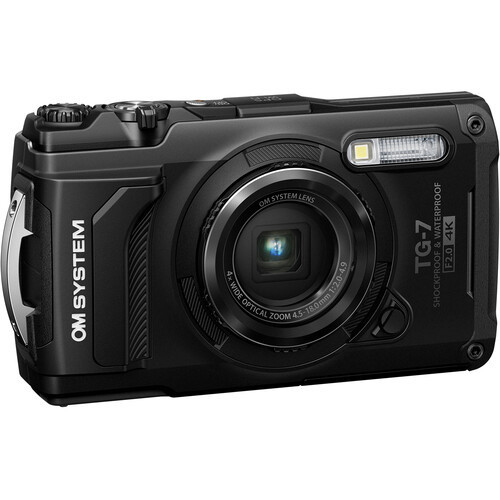
Best for Budget-Friendly Macro Compact Camera: Olympus TG-7
Best Simple Grab-and-Go Dive Camera: SeaLife Micro 3.0
Best Action Camera for Video: GoPro HERO13 Black
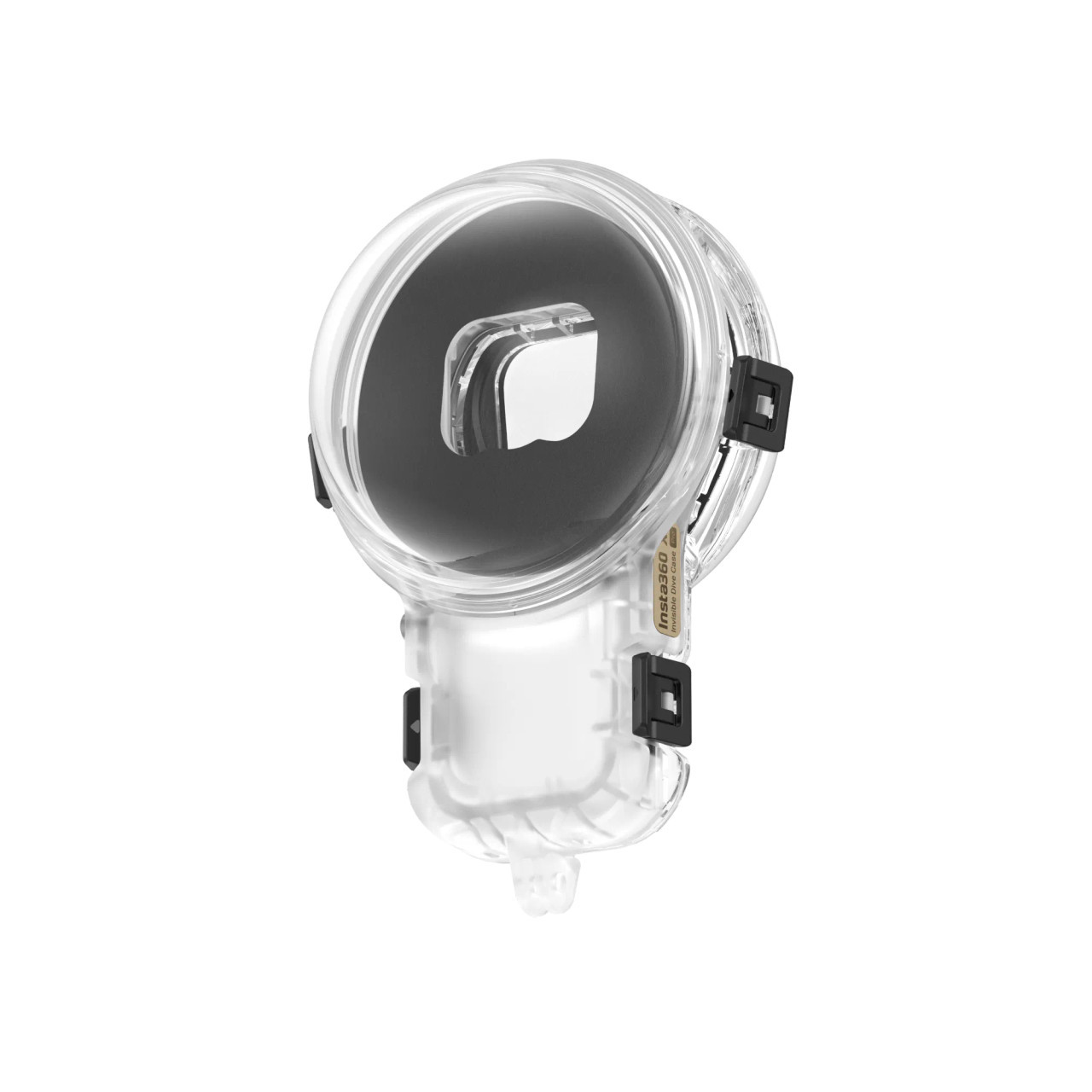
Best 360 Action Camera: Insta360 X5
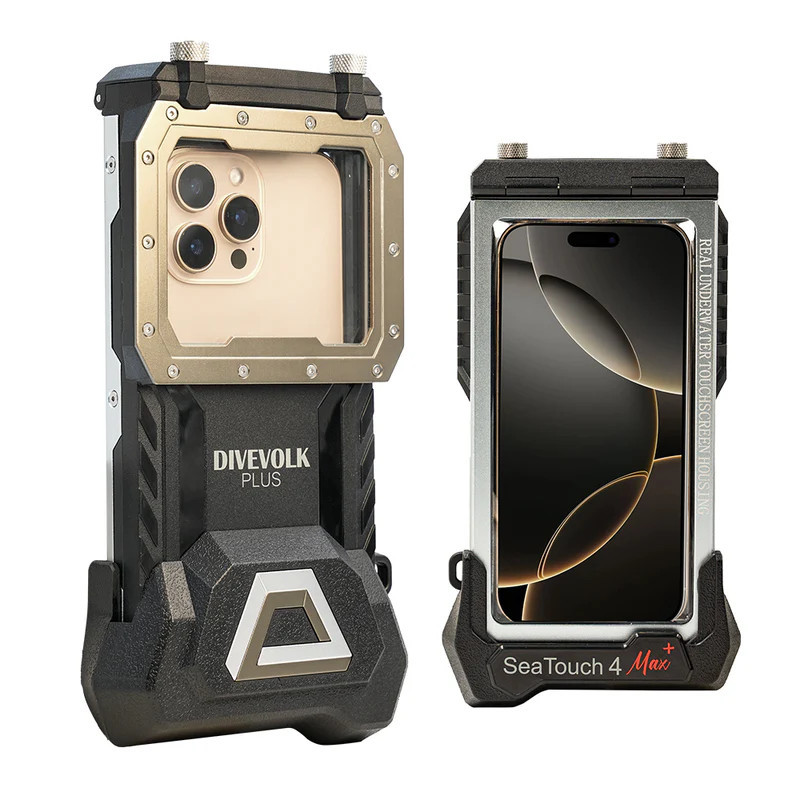
Best Smartphone Housing for Full Phone Control: DiveVolk SeaTouch 4 Max Plus
- Jump to Section -
Best Underwater Compact Cameras at a Glance
We recommend the Sony RX100 VII as the best overall underwater compact camera for serious shooters who want the strongest blend of image quality, autofocus, burst shooting, and system flexibility. Its 1-inch sensor, 24-200mm equivalent zoom, fast AF system, and strong housing ecosystem make it the most complete high-end compact option here.
For most divers who want strong image quality without stepping into RX100 VII pricing, we usually start with the Canon G7 X Mark III. It gives you a 1-inch sensor, a bright 24-100mm equivalent lens, 4K video, and a very proven underwater track record at a more approachable tier.
If your priority is macro, ease of use, and a camera that already starts waterproof before you even add a housing, the TG-7 is still one of our favorite recommendations. Its macro modes are the reason it remains so popular with underwater shooters. Also has a strong underwater housing ecotsystem for taking this camera deeper.
Best Simple Grab-and-Go Dive Camera: SeaLife Micro 3.0
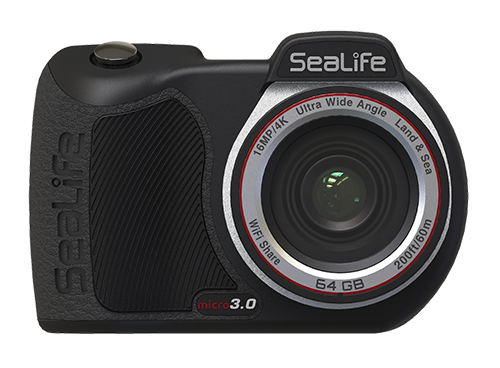
If you want the simplest possible underwater camera with no housing to flood and very little setup overhead, the SeaLife Micro 3.0 is the easiest option here. It is permanently sealed, shoots 4K video, and is depth-rated to 200 feet / 60 meters.
For divers and snorkelers who care most about small size, stabilization, and wide video, the HERO13 Black is the better current GoPro pick. Bluewater’s underwater review notes improvements like G-Log, HLG, better battery life, and new lens-mod support over the HERO12.
Among smartphone housings, the DiveVolk stands out because it allows underwater touchscreen use and access to apps underwater, which is still a major differentiator in this category.
Comparison Tables
Best Underwater Compact Cameras comparison table
| Camera | Sensor / Format | Best For | Video | Underwater Strength | Price Tier |
|---|---|---|---|---|---|
| Sony RX100 VII | 1-inch, 20.1MP | Best overall, travel, advanced users | 4K | Best AF and most complete premium compact option | Premium |
| Canon G7 X Mark III | 1-inch, 20.1MP | Best value, all-around use | 4K | Strong image quality and excellent value | Mid |
| OM System TG-7 | 1/2.3-type, 12MP | Macro, beginners, easy travel | C4K / Full HD | Excellent macro, waterproof body | Mid |
| SeaLife Micro 3.0 | 16MP sealed camera | Easiest dive camera, no-housing simplicity | 4K | Permanently sealed, 200ft / 60m ready | Mid |
Action camera comparison table
| Camera | Best For | Video | Native Waterproofing | Why We’d Choose It |
|---|---|---|---|---|
| GoPro HERO13 Black | Best current GoPro for underwater video | up to 5.3K / high-frame-rate options | 33ft / 10m | Better battery, G-Log/HLG, new lens-mod support |
Smartphone Housing comparison table
| Housing | Depth Rating | Best For | Key Strength | Tradeoff |
|---|---|---|---|---|
| Isotta Smartphone Housing | 100m / 328ft | Premium divers who want rugged mechanical control | Aluminum body, joystick/buttons, optional vacuum, wet-lens mount coming | More premium / heavier |
| DiveVolk SeaTouch 4 Max Plus | 60m | Users who want touchscreen and app access underwater | Full touchscreen-style access underwater | Less traditional mechanical-control approach |
| SeaLife SportDiver Ultra | 40m / 130ft | Recreational divers and casual shooters | Compact, color filter, Bluetooth LE, vacuum/leak system | Shallower than premium housings |
| Kraken KRH08 V2 | 85m | Deeper-rated polycarbonate option | 85m rating, vacuum valve, compact size | 52mm threading needs adapter for accessory lenses |

Compact Camera Guide
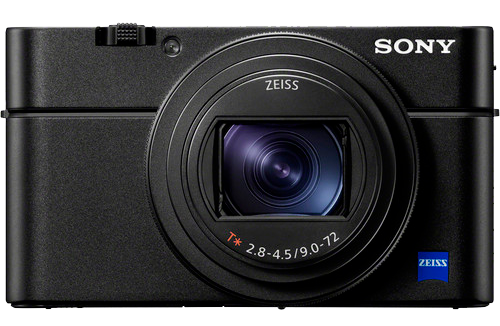
Sony RX100 VII Camera
Best Overall Compact Camera
Best for: Best overall, premium travel system, advanced compact shooters
Price tier: Premium
Key specs that matter
1-inch 20.1MP sensor
24-200mm equivalent zoom lens
Real-time tracking AF / Eye AF
Up to 20 fps blackout-free shooting
4K video and mic input
Why we recommend it
We recommend the RX100 VII for shooters who want the most complete premium compact system underwater. In our experience, autofocus and overall system flexibility are what separate it from the pack, especially once you start pairing it with a real housing, wet lenses, and strobes.
Pros
Best autofocus in this group
Excellent image quality from a compact body
Long zoom range is useful above water and versatile underwater
Strong housing support and proven underwater reputation
Cons
Most expensive compact camera in this guide
Better suited to users willing to build a real system around it
Not the simplest beginner option
Who should buy it
Buy this if you want the highest-end compact underwater setup and are willing to pay for it. This is the camera we would choose for serious travel shooters who still want to stay smaller than mirrorless.


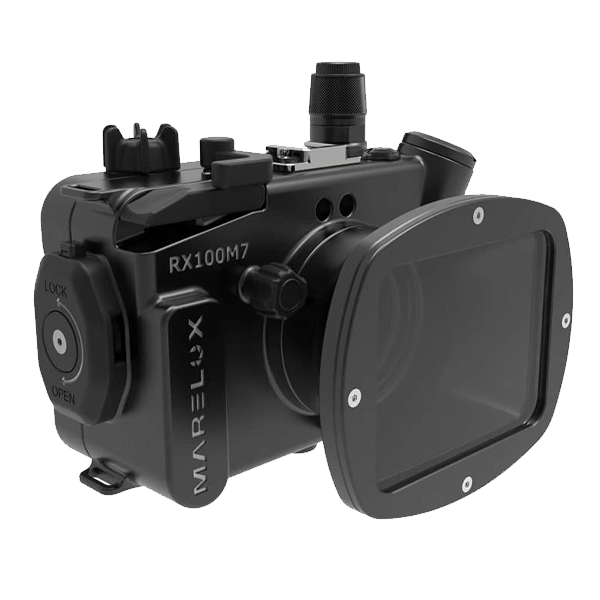
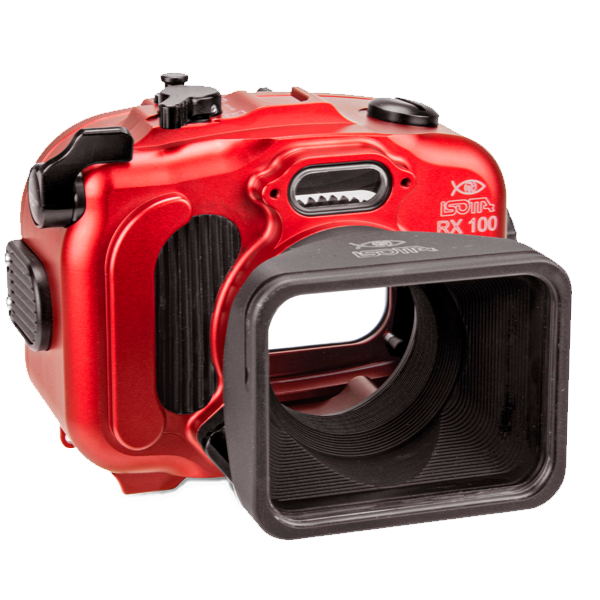
Underwater Housings for the Sony RX100 VII



Canon G7 X Mark III
Best Value Underwater Compact Camera
Best for: Best value, all-around compact users, travelers
Price tier: Mid
Key specs that matter
1-inch 20.1MP stacked CMOS sensor
24-100mm equivalent f/1.8-2.8 lens
4K video
3.5mm mic input
Why we recommend it
The G7 X III is our favorite value pick because it gets you into genuinely strong compact-camera image quality without RX100 VII pricing. It remains a very capable underwater compact for divers who want a camera that is fun to use, easy to travel with, and flexible enough for both stills and video.
Pros
Excellent value in this category
Bright lens
Strong overall image quality
Good balance of capability and ease of use
Cons
Not as advanced as RX100 VII on autofocus and premium performance
Not as macro-specialized as the TG series
Less of a standout for extreme needs
Who should buy it
This is the option we would start with for many divers who want one compact camera to do a little bit of everything well.


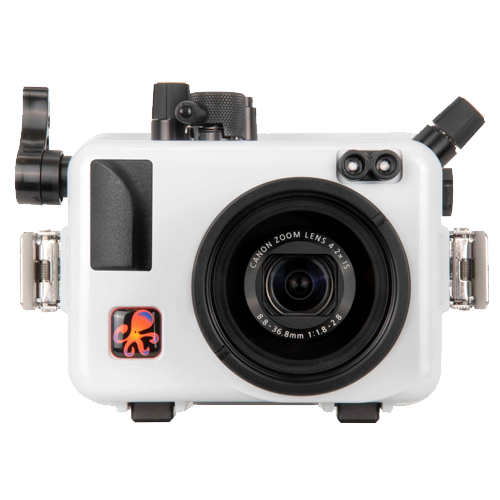
Underwater Housings for the Canon G7X III


Olympus (OM System) TG-7
Best Underwater Compact Camera for Macro Underwater Photography
Best for: Macro, beginners, easy travel, divers who want simple setup
Price tier: Mid
Key specs that matter
12MP sensor
Waterproof to 15m / 50ft without a housing
C4K / Full HD video
Approx. 20 fps burst
Renowned macro capability
Why we recommend it
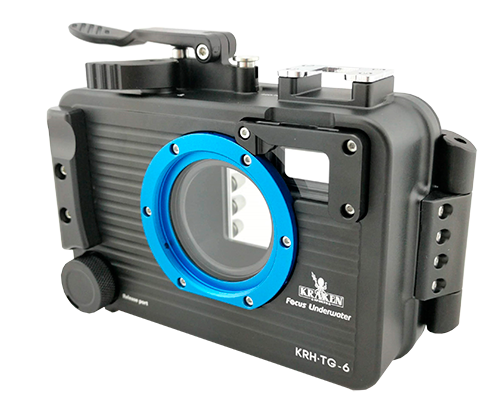
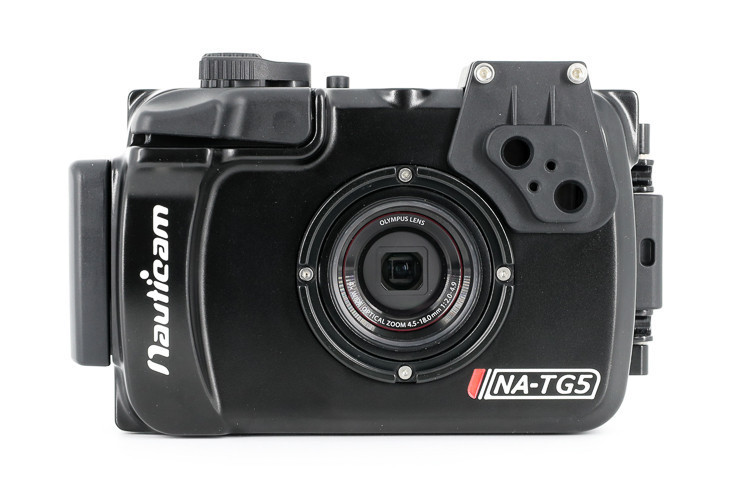
The TG-7 remains one of the easiest cameras to recommend because it solves real underwater problems. It is small, rugged, waterproof before housing, and exceptionally strong for macro, which matters more to many divers than chasing the last bit of sensor performance.
Pros
Excellent macro shooting
Waterproof and rugged on its own
Easy for beginners
Great travel and snorkeling option
Cons
Smaller sensor than the 1-inch compacts
Not the best choice here for image quality purists
Only modest upgrade from TG-6
Who should buy it
Buy this if macro, simplicity, and travel-friendliness matter more to you than maximum image quality.


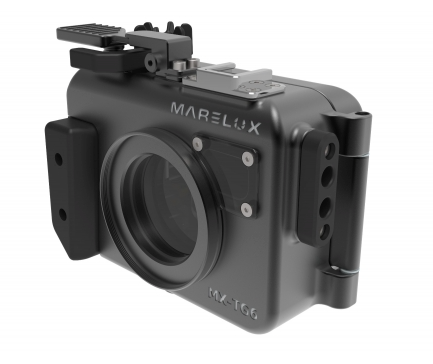
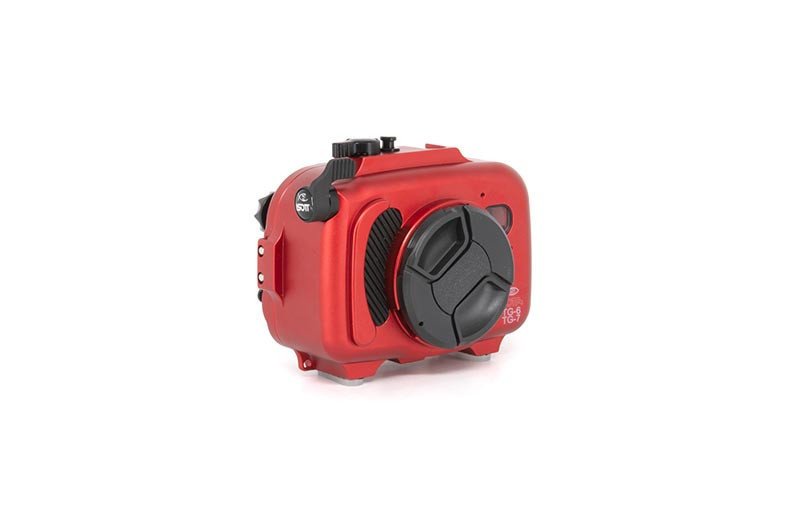
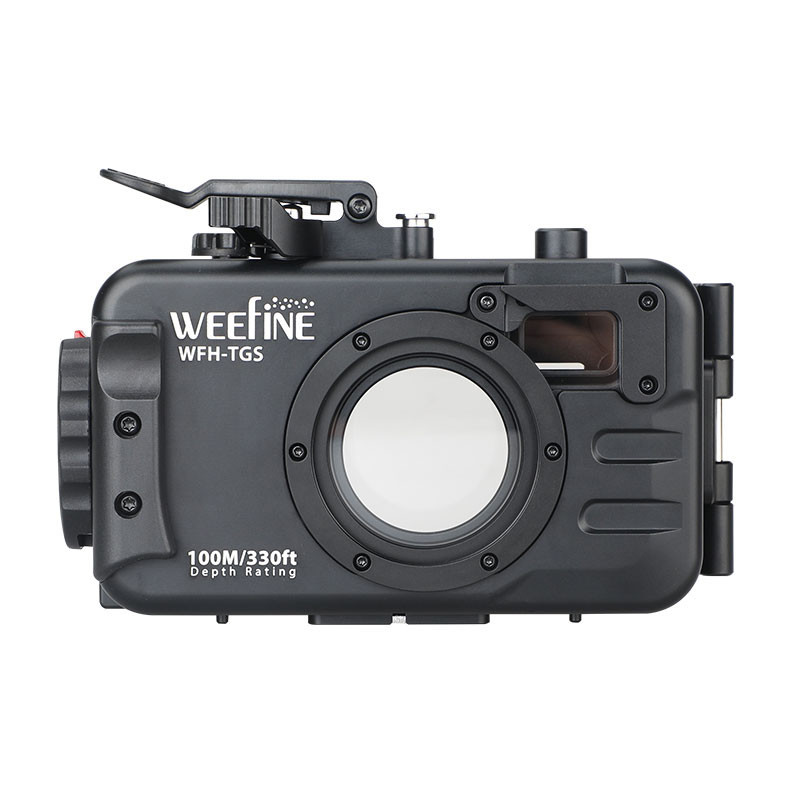
Underwater Housings for the Olympus TG-7

SeaLife Micro 3.0
Easiest-to-Use Underwater Compact Camera
Best for: Easiest underwater use, everyday divers, no-housing simplicity
Price tier: Mid
Key specs that matter
16MP SONY sensor
4K video
Permanently sealed body
Depth-rated to 200ft / 60m
No O-rings to maintain
Why we recommend it
The SeaLife Micro 3.0 is not the camera we recommend when someone wants the highest image quality. It is the camera we recommend when someone wants the least hassle. For a lot of divers, that matters more.
Pros
No separate housing required
Very easy to use
No flood anxiety from opening/closing a housing
Good depth rating for diving
Cons
Less expandable than the other options
Less appealing for advanced shooters
More limited upgrade path
Who should buy it
Buy this if you want a ready-to-dive underwater camera with minimal maintenance and setup.


Action Camera Guide
GoPro HERO13 Black
Best Action Camera
Best for: Best current GoPro for underwater video
Price tier: Mid
Why we recommend it
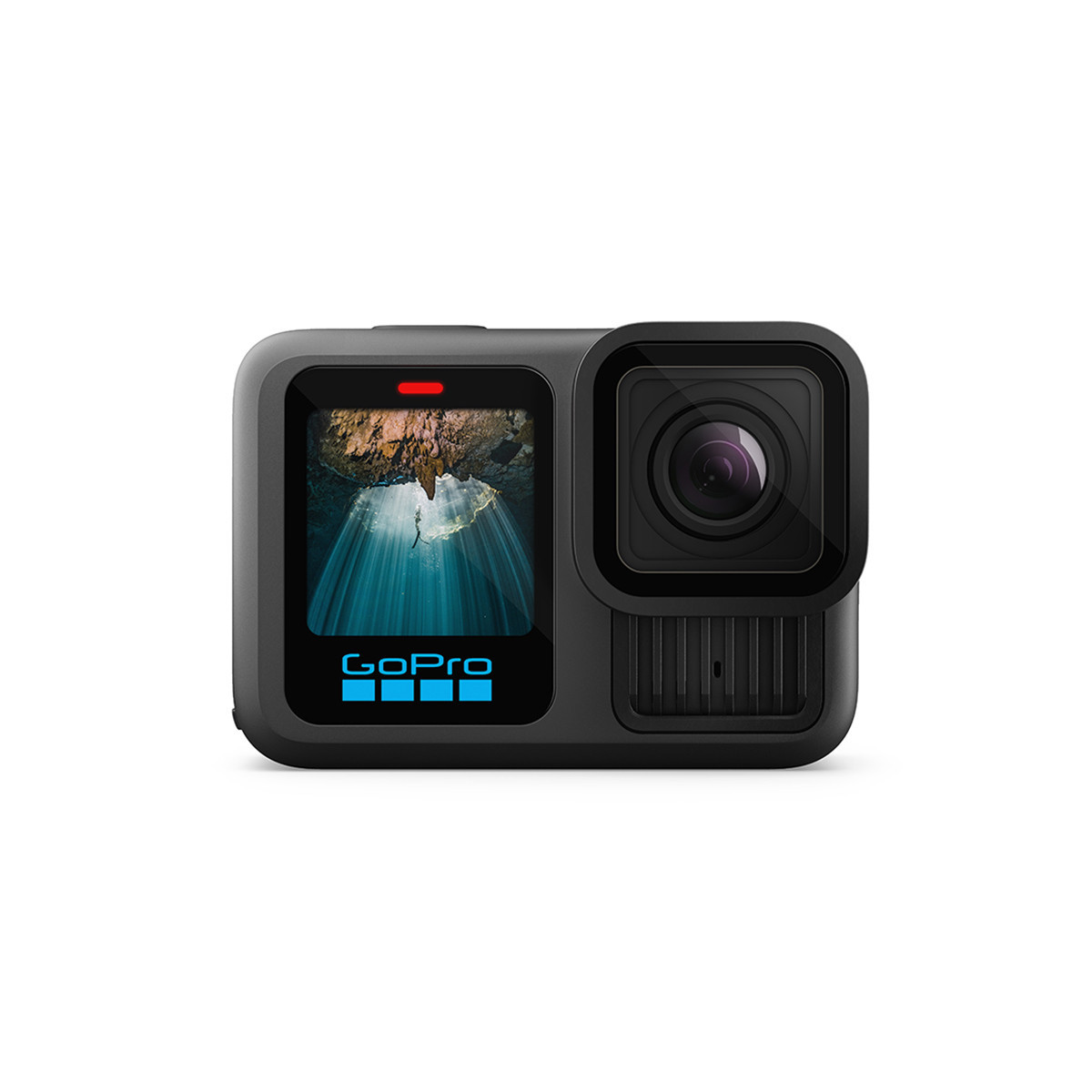
Bluewater’s underwater review says the HERO13 is not a huge leap over the HERO12, but the meaningful updates include G-Log, HLG, better battery life, and support for new lens mods. That makes it the better pick for users who want the strongest current GoPro platform.
Pros
Very small and travel-friendly
Excellent stabilization and wide video use
Better color/grading options for advanced video users
Strong accessory ecosystem
Cons
Still a wide-action-camera look
Less flexible for serious still photography
Smaller sensor look than the best compact cameras


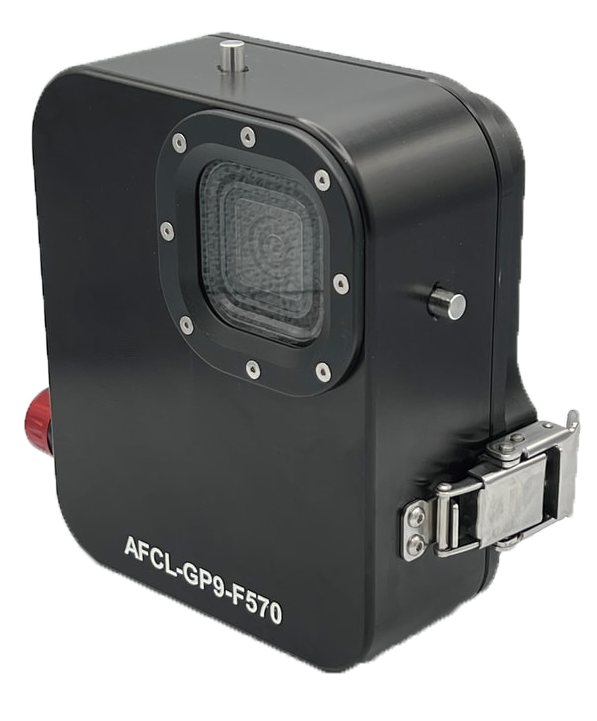
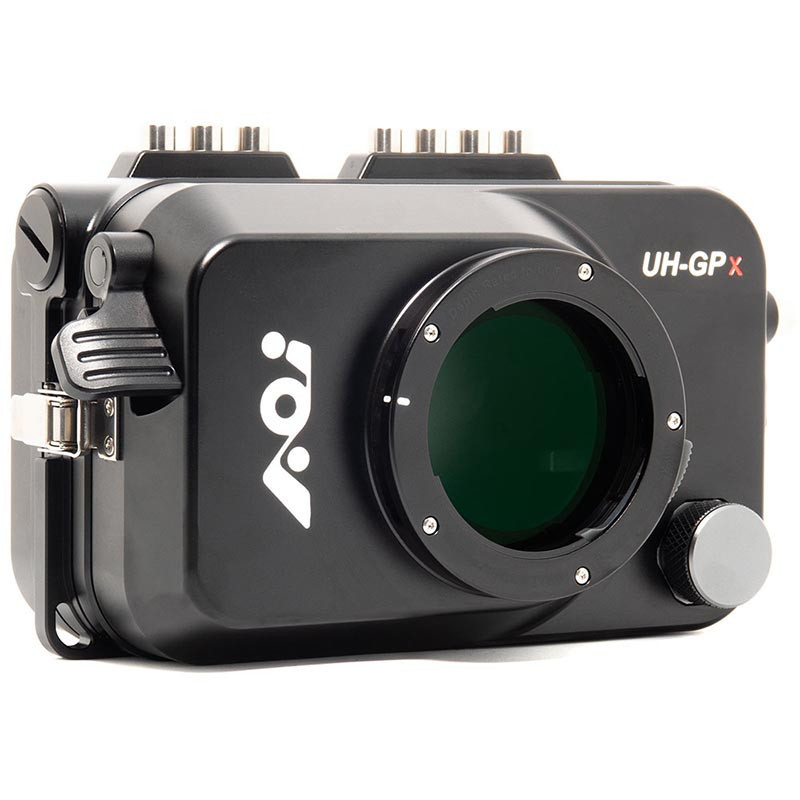

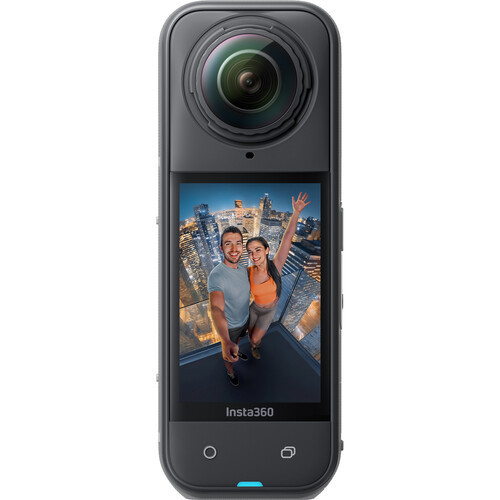
Insta 360 X5 360° Action Camera
Best 360° Action Camera
Best for: 360 video, immersive travel footage, divers who want to reframe later
Price tier: Mid to premium
Why we recommend it
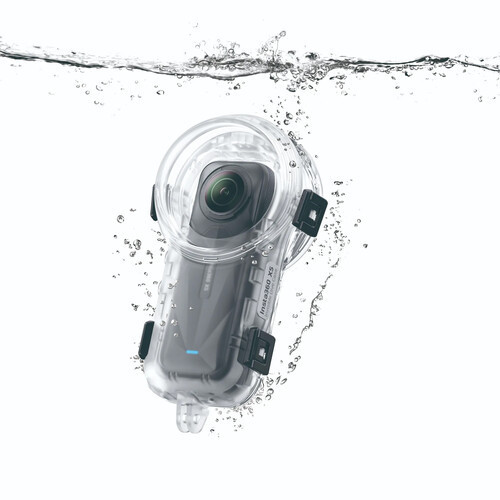
The Insta360 X5 is a strong underwater option for shooters who want immersive 360 capture instead of a traditional action-camera view. It records up to 8K 360 video, is waterproof to 49 feet / 15 meters without extra accessories, and can be paired with an Invisible Dive Case for cleaner stitched underwater footage down to 197 feet / 60 meters.
Pros
Excellent 360 video quality with up to 8K30 capture
Waterproof deeper than most action cameras without a housing
Great for travel and creative reframing after the dive
Invisible Dive Case option helps reduce stitching and refraction issues underwater
Replaceable lenses are a meaningful practical advantage for an action-style camera
Cons
Best results underwater usually require the dedicated dive case for proper 360 stitching
Less ideal than a traditional compact camera for still-photo-focused shooters
360 workflow adds more editing and file-management overhead than a GoPro-style setup

Smartphone Housing Guide
SeaLife SportDiver Ultra Smartphone Housing
Sealife Underwater Smartphone Housing
Best for: Recreational divers and casual underwater creators
Price tier: Mid
Why we recommend it
The SportDiver Ultra is a strong recreational option because it is compact, rated to 40m / 130ft, works with many iPhone and Android models, includes a removable red filter, and uses Bluetooth LE. We like it for divers who want an approachable smartphone housing with good built-in usability features.
Pros
Compact and user-friendly
Color-correction filter included
Vacuum / leak-avoidance features
Good match for recreational diving
Cons
40m rating is enough for most divers, but not all
More recreational than technical in positioning
Review
Read our Full Review of the SeaLife SportDiver Housing (not the Ultra, but similar housing)

DiveVolk SeaTouch 4 Max Plus
Best Smartphone Housing for Full Phone Control
Best for: Full phone control underwater
Price tier: Mid to premium
Why we recommend it
DiveVolk remains the standout choice when you specifically want access to apps and touchscreen-style functionality underwater. That is why it is still one of the easiest smartphone housings to recommend to users who want a phone-first experience instead of a housing that mimics a traditional camera.
Pros
Underwater touchscreen access
Access to apps underwater
60m depth rating
Broad iPhone and Android support via adapters
Cons
Different workflow than button-based housings
Best for users comfortable with a phone/app-based shooting style
Review
Read more about our finding when testing the Seatouch 4 Max underwater.
Kraken KRH08 Universal Smart Phone Housing V2
Best Smartphone Housing with full Vacuum System
Best for: Deeper-rated polycarbonate housing
Price tier: Mid
Why we recommend it
The Kraken is appealing if depth rating matters and you want a compact smartphone housing without moving all the way into a premium aluminum price bracket. Bluewater lists an 85m rating, vacuum valve, and 52mm front threading, though accessory lenses require a separate threaded adapter.
Pros
85m depth rating
Vacuum valve included
Compact design
52mm front threading
Cons
Adapter needed for some accessory-lens use
Not as distinctive as DiveVolk for touchscreen use or Isotta for premium build

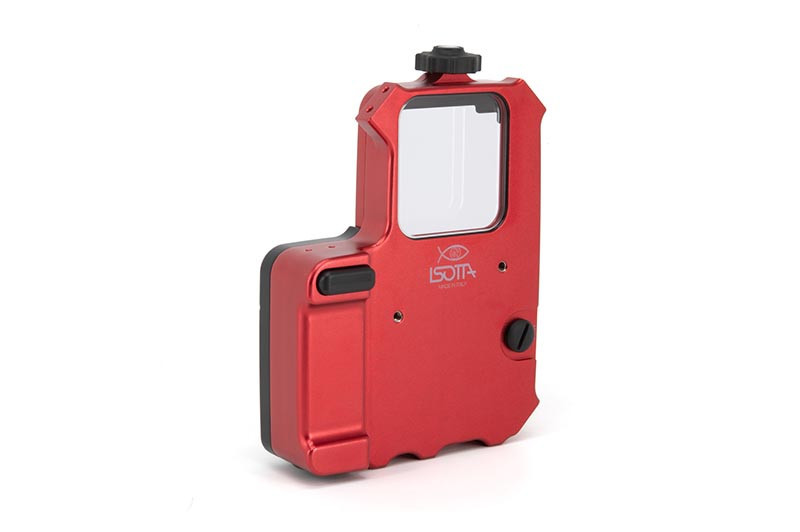
Isotta Underwater Smartphone Housing
Best Premium Smartphone Housing
Best for: Premium divers who want rugged build and physical control
Price tier: Premium
Why we recommend it
We like the Isotta for divers who want a more serious, mechanical-housing feel. Bluewater’s page highlights its aluminum construction, joystick and physical controls, optional vacuum check, dual mounting points, and 100m / 328ft depth rating.
Pros
Aluminum body
Deep 100m rating
Physical controls instead of relying on touchscreen underwater
Leak-alert / vacuum-oriented safety features
Cons
More premium and heavier than simpler housings
Wet-lens mount is still a developing part of the system
Recommended Set-up Options
| Goal | Recommended Setup | Why It Works |
|---|---|---|
| Best all-around compact setup | Sony RX100 VII + housing + wet wide lens or macro wet lens + dual strobes | Highest ceiling in this category |
| Best value compact setup | Canon G7 X III + housing + tray + single strobe to start | Best balance of cost and performance |
| Easy macro setup | TG-7 or TG-6 + housing + close-up wet lens + focus light | The easiest path to strong macro images |
| Simplest dive-ready setup | SeaLife Micro 3.0 + tray/light if needed | No separate housing and very low maintenance |
| Best action-video setup | GoPro HERO13 + underwater housing for deeper dives + video lights | Tiny system with strong video workflow |
| Best smartphone setup | DiveVolk or SeaLife SportDiver Ultra + tray + video lights | Leverages the phone you already know |
Frequently Asked Questions
Frequently Asked Questions
Why Trust Bluewater Photo?
Bluewater Photo, recognized as the #1 online retailer specializing in underwater photography and scuba diving equipment, with real-world experience supporting, selling, and configuring underwater camera systems. Our team includes professional underwater photographers and videographers with over 15 years of experience testing and photographing underwater to ensure you get thorough first hand experience and trusted reviews.
Expertise in Underwater Photography: Run by passionate divers and photographers who truly understand the gear and how it performs in real-world conditions.
Competitive Pricing: Offers competitive prices with added value like expert advice and top-tier customer support. We will match and beat any price!
Established Reputation: Trusted by thousands of divers, photographers, and professionals worldwide.
Exceptional Customer Support: Personalized service from knowledgeable staff who care about getting you the right gear.
Transparent and Honest Advice: Recommendations are based on what’s best for your needs—not just what’s in stock.


Anthony Grote
Anthony Grote is a South African-based professional photographer, widely recognized for his work in underwater, wildlife, adventure sports, and hospitality photography. His passion for the craft began in the early 1990s during his studies, where he initially focused on bird photography.
As his interest expanded into underwater photography, Anthony moved to the Cayman Islands, where he spent two years working as an underwater photo pro. He later returned to South Africa to establish his own photography business, specializing primarily in adventure sports and the hospitality industry.
Over the years, Anthony has received numerous accolades for his underwater and wildlife imagery. His work has also included contributions to the National Geographic production The Real Serengeti, filmed in the iconic Serengeti wilderness.
Today, Anthony continues to travel the globe, diving and documenting nature whenever possible. He currently serves as the Website Manager for Bluewater Photo, while still pursuing adventure sports photography in his spare time.