

When looking for the best underwater camera for snorkeling, your priorities need to focus on sensor resolution, video frame rates, stabilization, and real-world ergonomics. Snorkeling is a highly streamlined, fast-moving activity. Unlike scuba diving, you do not have the luxury of a buoyancy compensator or a constant air supply to stay stable while adjusting complicated menus. You need to react instantly, meaning your gear must be lightweight, accessible, and intuitive.
At Bluewater Photo, we do not rely on manufacturer spec sheets or desk-bound assessments. Our reviews are built entirely on practical, in-water experience. We put our gear through rigorous, real-world stress testing—from shallow, surge-heavy shore entries to high-current environments and deep-water drop-offs.
For the cameras highlighted in this guide, our team spent weeks in the field assessing actual performance:
We put the GoPro HERO13 Black through over 100 practical field tests, evaluating its stabilization in heavy surface chop and logging real-world battery runtimes.
We tested the OM System Tough TG-7 bare in shallow tidepools as well as utilising third party housings to be able to test the camera depper than the stated max depth the camera itself can go.
We evaluated the precision tracking and animal eye-AF capabilities of the Sony RX100 VII on fast-moving marine life, measuring real-world sharpness across its extensive 24–200mm zoom range inside compact housings.
We dived with the button-free DiveVolk SeaTouch 4 Max housing in rough surf and current to strictly evaluate the responsiveness of its unique, gel-filled touchscreen membrane without a traditional vacuum check system.
Below, we have broken down the most reliable, compact, and field-tested underwater camera setups available today. We have also included dedicated smartphone housings, which offer an affordable, high-quality entry point for shallow-water imaging and immediate social media sharing the second you step foot back on the boat.
Quick Comparison of Our Best Cameras for Snorkeling
Understanding Your Snorkeling Camera Options
When it comes to underwater cameras for snorkeling, there are several categories to consider. Each category offers unique features and benefits, catering to different needs and preferences. Let's explore the top contenders:
1. Action Cameras
Action cameras have gained immense popularity in recent years due to their compact size, lightweight design, and excellent video capabilities. These cameras are perfect for capturing your snorkeling adventures in high-definition video. However, they may not excel in low-light conditions or close-up shots. The GoPro Hero 13 Black is a well-regarded action camera that is widely used by snorkelers. It offers impressive video quality, advanced stabilization, and a user-friendly interface. With its compact size and wide range of accessories, the GoPro Hero 13 Black provides versatility for all your snorkeling needs.
2. Waterproof Point-and-Shoot Cameras
If you're on a budget or prefer simplicity, waterproof point-and-shoot cameras are a great option. These cameras are specifically designed to withstand water exposure and offer ease of use. However, they may have lower image quality compared to other options. When choosing a waterproof point-and-shoot camera, look for features like macro focus, which allows you to capture stunning close-up shots of fish and coral. This can add an extra level of excitement to your snorkeling photography.
Compact cameras with waterproof housings are a popular choice amongst more advanced snorkelers. These cameras offer excellent image quality and versatility, allowing you to capture stunning photos both underwater and on land. The waterproof housing ensures that your camera remains protected in wet environments. However, keep in mind that these housings can add bulk to your setup.
4. Mirrorless Cameras with Waterproof Housings
For more advanced snorkelers and professional photographers looking for the best quality photos and best video camera for snorkeling, the best route here is to get a high-end mirriroless camera and place this inside a waterproof housing. The only downside to this setup is size and weight, adding difficulty in working in the water, and bilk for travelling. But to get top quality results, this is considered the best route to go.
5. Smartphone Housings
Increasingly smarphones are becoming the more preferred medium to use as a camera for snorkeling. Reasons for this being, is that the quality of smartphone cameras are continually improving, and one always has a smartphone in your pocket. More and more manufacturers are creating increasingly versatile underwater housings for snorkeling, allowing operation either via an app, or via specialised touchscreen capabilities.
Key Features to Consider when searching for a Camera for Snorkeling
When selecting the best underwater camera for snorkeling, there are several key features to consider. These features will ensure that your camera meets your specific needs and delivers high-quality results. Let's explore these features in detail:
Image quality is one of the most critical factors when choosing an underwater camera for snorkeling. Look for cameras with high megapixel sensors, as they produce sharp and detailed images. The resolution of the sensor plays a crucial role in capturing vibrant colors and fine details underwater.
If you enjoy capturing videos of your snorkeling adventures, consider the camera's video capabilities. Look for cameras that offer high-definition video recording, preferably in 4K resolution or higher. This ensures that your videos are immersive and of excellent quality.
Since you'll be using your camera in wet and potentially challenging environments, it's crucial to choose a camera that is built to withstand water exposure. Look for cameras that are waterproof up to a significant depth, ensuring that they can handle the conditions you'll encounter while snorkeling. Additionally, consider the durability of the camera to ensure it can withstand any accidental bumps or drops.
Battery life is essential, especially if you plan on spending extended periods in the water. Look for cameras with long battery life to ensure that you can capture all the breathtaking moments without running out of power. It's also a good idea to carry spare batteries or a portable charger to extend your camera's usage time.
When snorkeling, you want a camera that is easy to use and allows for quick adjustments. Look for cameras with intuitive menus, straightforward controls, and easy access to important settings. This ensures that you can make the necessary adjustments on the fly and capture the perfect shot without missing a moment.
These are our favorite underwater cameras for snorkeling and surf photography. Often snorkelers and surfers can feel lost and feel out of place when looking at underwater photo gear. After all, Snorkeling is a very streamlined activity, and therefore cameras for snorkeling must remain small and compact, unlike many camera systems for scuba diving. But at Bluewater Photo, we have some avid snorkelers and surf photographers on our team, so we put our heads together to find the best underwater camera systems for the shallow water explorers out there.
Best Overall Camera for Snorkeling - GoPro Hero 13
Best for:
Snorkelers who want the best overall camera for snorkeling, especially if video quality, stabilization, small size, and easy travel matter more than zoom, macro, or full manual camera controls. This is the camera I would point most people toward if they want a simple waterproof camera for snorkeling that can also handle kayaking, paddleboarding, beach days, family trips, and shallow freediving without much fuss.
Why we picked the GoPro Hero 13:
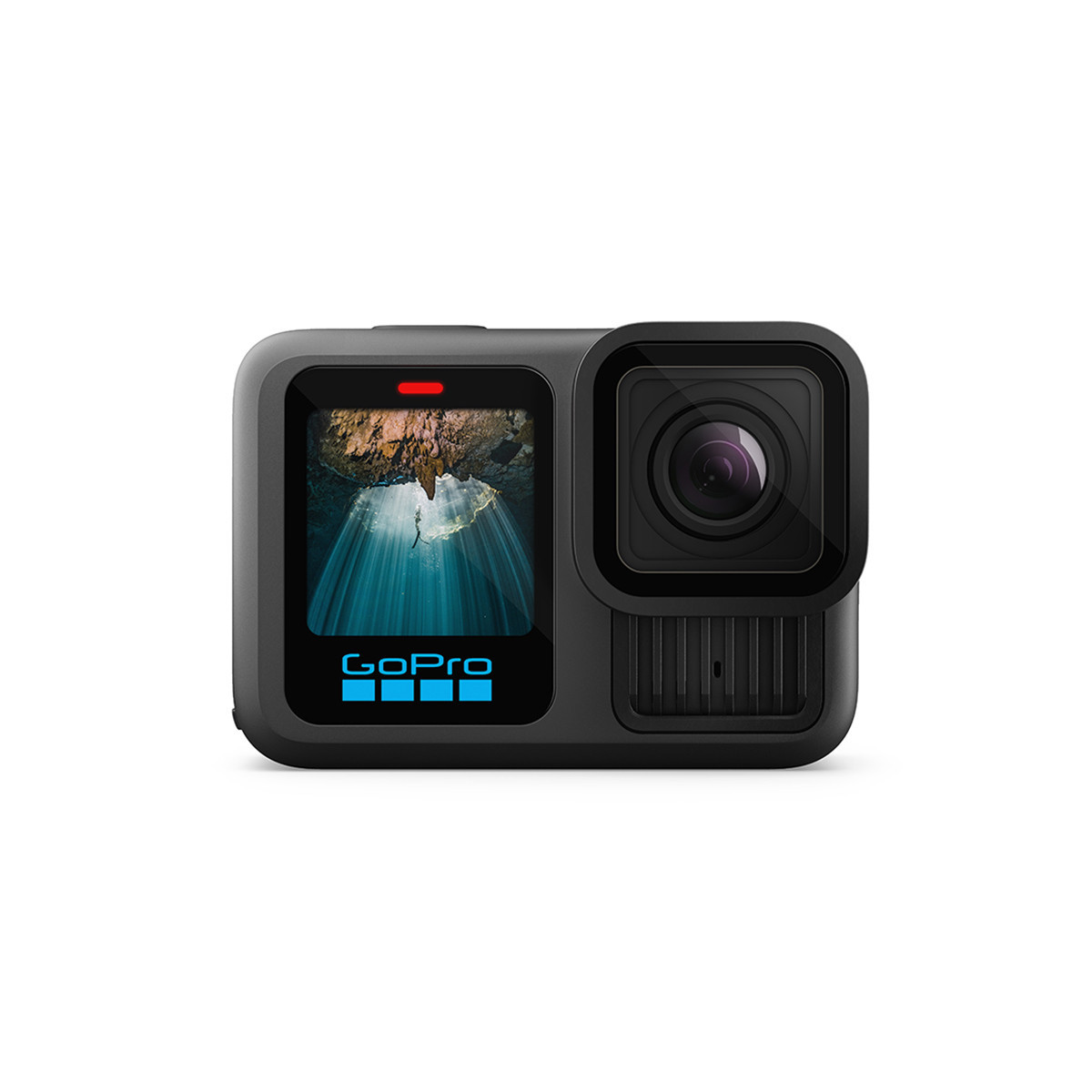
The GoPro Hero 13 is our best overall underwater camera for snorkeling, as well as possibly being the best underwater video camera for snorkeling, because it gets the basics right: it is small, waterproof to 33 ft without a housing, easy to pack, and very good at producing stable underwater video. The 5.3K/60p and 4K/120p video modes give you a lot of flexibility, especially if you want to crop, slow footage down, or pull clips for social media later. The 27MP RAW photo option is also useful, though I still see the Hero 13 as a video-first snorkeling camera rather than a dedicated stills camera. The bigger reason it works so well for snorkeling is the stabilization. Surge, kicking, surface chop, and one-handed filming can all make underwater footage look messy. HyperSmooth 6.0 does a good job cleaning that up, and that is one of the main reasons this camera works better in the water than many regular waterproof cameras.
What we liked about using it underwater:
In the water, the Hero 13 is quick and forgiving. You do not have to think about a housing for normal snorkeling depths, and the wide field of view makes it easy to film reefs, turtles, schools of fish, and buddy shots without needing perfect framing. From our Fiji testing, the footage looked smooth even when the camera was mounted to another underwater camera rig and left running while shooting photos. That is a pretty realistic use case for a GoPro. A lot of snorkelers are not carefully composing every clip; they want to press record, swim, and come home with footage that is actually usable.
Limitations:
The Hero 13 is not the best camera for snorkeling if your main goal is close-up photos of tiny reef life, although close-up macro wet lenses are available to assist in this regard. The wide lens is great for action and reef scenes, but small subjects can look distant unless you get very close or add accessories.
Color is another limitation. Like every small underwater camera, it loses reds and warm tones as you go deeper or shoot in shaded water. In very shallow, sunny water it can look good on its own. For better color, especially below the surface or under ledges, you will still want a red filter or video lights.
Battery life is improved over the Hero 12, but I would still carry spare batteries if you are doing multiple snorkel sessions or using high-resolution video all day.
Our Recommended setup:
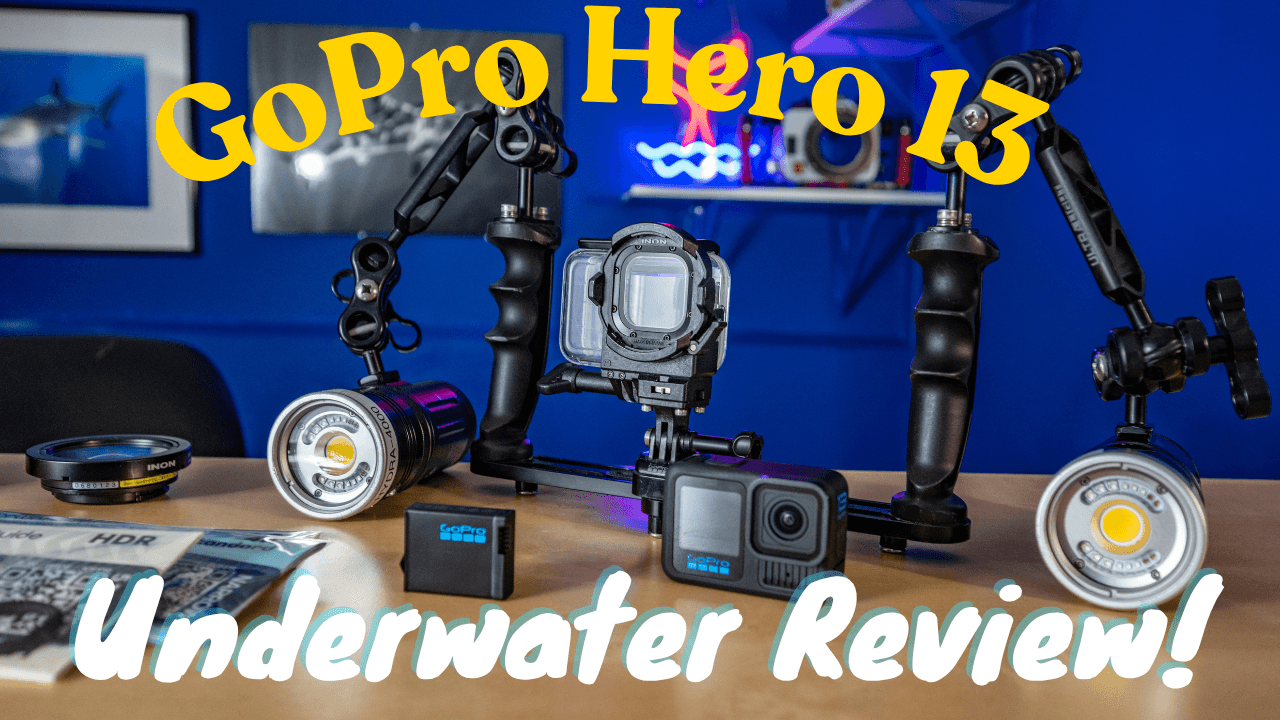
For casual snorkeling, use the Hero 13 by itself with a floating hand grip. That is the simplest setup and probably the one most people will use the most. For better underwater video, add a tray with two small video lights. This helps bring back color and makes close reef scenes look much better, especially when the sun is not directly overhead. For deeper snorkeling, scuba diving, or rough travel use, add the GoPro protective dive housing. The camera is waterproof to 33 ft on its own, but the housing gives you more protection and is required if you plan to go deeper.
Who should skip it:
Skip the GoPro Hero 13 if you mainly want still photos, optical zoom, strong macro capability, or more control over exposure and lighting. A compact camera like the OM System TG series or a SeaLife Micro 3.0 may make more sense for those users.
Best Value Camera - SeaLife Micro 3.0 Camera
Best for: beginner snorkelers and divers who want a simple waterproof camera for snorkeling
The SeaLife Micro 3.0 is best for snorkelers, travel divers, and newer underwater shooters who want a dedicated underwater camera without dealing with a separate housing, O-rings, memory cards, or a lot of setup before getting in the water. It makes the most sense for someone who wants better underwater photos and video than a phone or basic action camera, but does not want to build a full compact-camera system yet.
Why we picked it: an easy underwater camera for snorkeling and travel diving
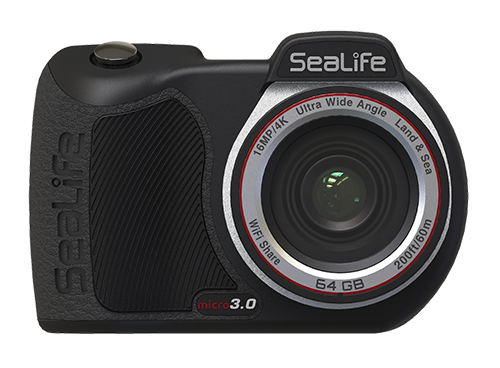
We picked the SeaLife Micro 3.0 because it keeps things simple in a way that actually matters underwater. The camera is permanently sealed, depth rated to 200 ft / 60 m, and has large piano-style buttons that are easy to use when your hands are wet or you are wearing gloves. The 16MP Sony sensor, RAW photo option, 4K/30p video, 100° lens, and built-in 64GB memory give it enough image quality for vacation photos, reef scenes, fish portraits, and casual underwater video. It is not trying to be a pro camera, and that is part of the appeal. For a lot of snorkelers, the best underwater camera for snorkeling is the one they can use quickly without missing the shot.
What we liked about using it underwater:
Underwater, the Micro 3.0 feels more like a dive tool than a delicate camera in a box. There is no housing latch to second-guess, no O-ring to check before every swim, and no card door to worry about. That alone makes it a calmer camera to hand to a newer shooter. The wide 100° lens works well for reef scenes, buddy shots, turtles, rays, and general snorkeling video when you can stay fairly close to the subject. The Easy Setup modes are useful when you do not want to spend the first ten minutes of a snorkel changing settings. Manual white balance is also there when the water color starts to shift and you want a little more control. I would treat it as a practical underwater video camera for snorkeling, not a tiny cinema rig. Add a light in deeper water, on cloudy days, or when you want better color close to the reef.
Limitations: not the best snorkeling camera for macro or far-away subjects
The Micro 3.0 has a fixed wide lens and a minimum focus distance of about 15 inches, so it is not the best choice for tiny nudibranchs, very small reef details, or skittish fish that stay far away. For close macro, you will want the SeaLife close-up lens. For stronger macro flexibility, a TG-style compact camera may be a better fit. It also does not use external strobes the way a more advanced compact or mirrorless underwater setup would. The best results come from getting close, using good light, and keeping expectations realistic.
Our Recommended setup: SeaLife Micro 3.0 with one or two Sea Dragon lights
For shallow snorkeling in bright conditions, the camera alone is fine to start with. Keep your subjects close, shoot with the sun behind you when possible, and use the snorkel or shallow underwater white balance mode. For better color and more consistent underwater video, use the Micro 3.0 on a small tray with one Sea Dragon light. For smoother reef video and fewer harsh shadows, two lights on a dual tray are better. I would not overbuild it. The camera’s strength is that it stays compact and easy to travel with.
Who should skip it: advanced macro shooters, GoPro-first users, and pro underwater photographers
Skip the SeaLife Micro 3.0 if you want optical zoom, serious macro without add-on lenses, external strobe control, interchangeable lenses, or a more advanced manual camera system. GoPro users who mainly want ultra-wide action clips, helmet mounts, or very small POV video may still prefer an action camera. Serious underwater photographers who want the highest image quality, strobes, and full control should look at a TG-7 housing setup, advanced compact system, or mirrorless underwater camera instead.
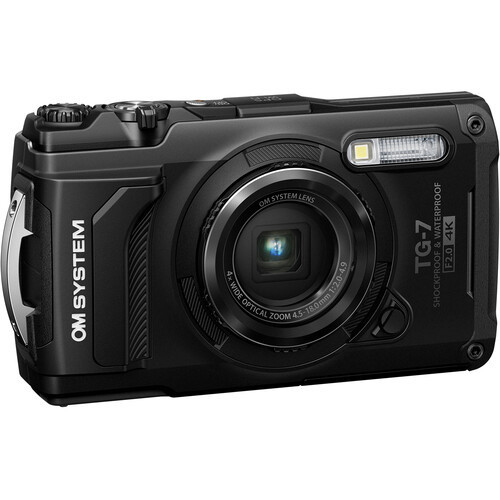
Best for Macro & Easiest to Use - Olympus TG-7 Camera
Best for:
Snorkelers and divers who want an easy waterproof camera for snorkeling, especially if close-up photos, tidepool subjects, reef details, and small marine life are more important than action-style video. The TG-7 is one of the best snorkeling cameras for people who want a real compact camera, but do not want to jump into a mirrorless underwater system.
Why we picked the Olympus (OM System) TG-7:
We picked the OM System TG-7 as the best camera for macro and ease of use because it does something most waterproof compact cameras do not do well: it focuses very close without needing a complicated setup. The microscope and super macro modes are the main reason to buy this camera. You can get close to small subjects like blennies, shrimp, coral textures, nudibranchs, shells, and tidepool life in a way that a GoPro or phone housing usually cannot match. It is also a practical waterproof camera for snorkeling because it is rugged, small, and waterproof to 50 ft without a housing. For snorkelers, that means you can use it at the surface, in shallow reefs, from a kayak, or around the beach without building out a full dive rig every time. Small, compact and perfect for travelling.
What we liked about using it underwater:
The TG-7 feels straightforward in the water. The buttons are easier to work with than most small action cameras, and the zoom range gives you more framing control than a GoPro. That makes it easier to shoot fish portraits, reef details, and smaller subjects without everything looking far away. Macro is where it stands out. The camera can focus extremely close, and the microscope mode is genuinely useful, not just a spec-sheet feature. I also like that the TG-7 can grow with the user. Start with the camera alone for snorkeling, then add the PT-059 housing, a tray, lights, strobes, or wet lenses later if you get more serious about underwater photography.
Limitations:
The TG-7 is not the best underwater camera for snorkeling if video is your main priority. It can shoot 4K/30p, but the footage is not as smooth or easy as a GoPro Hero 13, especially if you are swimming in surge or filming one-handed. The sensor is also smaller than what you get in higher-end compact cameras, so wide-angle image quality and dynamic range are limited. It can shoot reef scenes, but it is much stronger for close-up work than big blue-water scenes, sunballs, or fast-moving action. Autofocus is fine for slower subjects, but it is not a modern tracking system. For quick fish, moving turtles, or action at the surface, expect a few misses.
Our Recommended setups:
For casual snorkeling, start with the TG-7 by itself and add a floating wrist strap. Keep the setup simple at first. The camera is already waterproof to 50 ft, so many snorkelers do not need a housing right away.
For scuba diving, rough travel, or better accessory support, use the OM System PT-059 housing, or one of our recommended TG-7 underwater housings. Add a small tray and one light if you are mostly shooting close-ups. For better macro photos, especially below the surface where color drops off quickly, add one or two strobes.
Who should skip it:
Skip the TG-7 if you mainly want smooth underwater video, ultra-wide reef footage, or the easiest camera for social media clips. A GoPro Hero 13 is better for that. Also skip it if you already own a TG-5 or TG-6 and are happy with it. The TG-7 is a good camera, but it is not a huge underwater upgrade from those models.
Serious wide-angle shooters, photographers who want cleaner files from a larger sensor, or anyone planning to build a professional underwater system should look at a higher-end compact or mirrorless camera instead.
Olympus TG-7 sample underwater images


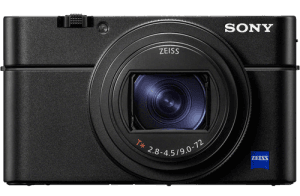
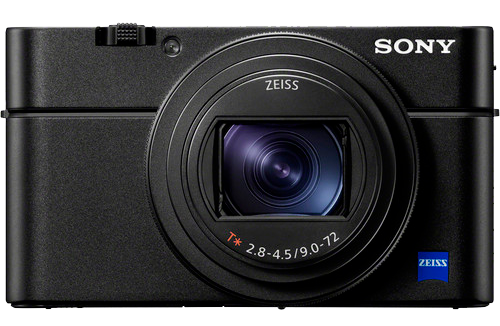
Best Compact Camera for Casual Snorkeling Trips - Sony RX100 VII
Best for:
Snorkelers and divers who want the best compact camera for snorkeling and care more about image quality, autofocus, zoom range, and RAW photo files than having the simplest possible setup. The Sony RX100 VII is a good fit for someone who has outgrown a GoPro or basic waterproof camera, but does not want to travel with a full mirrorless underwater system. For more details on compact cameras for underwater, see our full compact camera comparison.
Why we picked it:
We picked the Sony RX100 VII as the best compact camera for snorkeling because it gives you a lot of camera in a very small body. The 1-inch sensor produces cleaner files than most waterproof point-and-shoot cameras, and the 24–200mm zoom range gives you much more framing control than a GoPro or fixed-lens snorkeling camera. This is not the easiest underwater camera for snorkeling. It needs a housing, and the setup costs more once you add the right port, tray, and lighting. But the image quality is the reason it belongs here.
What we liked about using it underwater:
Underwater, the RX100 VII feels like a small camera with serious autofocus, not a basic waterproof point-and-shoot. It is especially useful when the subject is moving and you do not have much time to recompose.
The zoom range is handy for snorkeling because not every subject lets you get close. You can shoot a wider reef scene, then zoom in for a fish portrait without changing cameras. That flexibility is one of the main reasons it works well as a compact camera for snorkeling and travel.
Limitations:
The biggest limitation is that the RX100 VII is not a waterproof camera by itself. You need an underwater housing before taking it snorkeling, and that makes the system bulkier and more expensive than a GoPro, TG-7, or SeaLife Micro 3.0. Video is good for a compact camera, but it is not as effortless as a GoPro Hero 13 for shaky one-handed snorkeling clips.
Our Recommended Setup:
For snorkeling, use the RX100 VII in a compact underwater housing with a simple tray and handle. Add a lanyard or float system, because this is not a camera you want to drop in open water. For better reef scenes, use a wide-angle wet lens and one or two small video lights. For fish portraits and close-up work, use a macro wet lens or diopter. If you plan to shoot both wide and macro on the same trip, think through the port and lens setup before buying. This camera rewards planning more than guessing. For casual snorkelers, I would keep the rig fairly small. Housing, tray, one handle, and maybe one light is enough to start. Once it gets too big, you lose the main reason to buy a compact camera.
Who should skip it:
Skip the RX100 VII if you want the easiest waterproof camera for snorkeling. A GoPro Hero 13, TG-7, or SeaLife Micro 3.0 will be simpler. Skip it if you do not want to buy a housing, ports, lenses, or lights. The camera body is only part of the system. Also skip it if your main goal is quick social video. The GoPro is easier for that. The RX100 VII is for snorkelers and divers who are willing to deal with a more serious compact setup because they want better still photos, stronger autofocus, and more control.
Sony RX100 VII sample underwater images


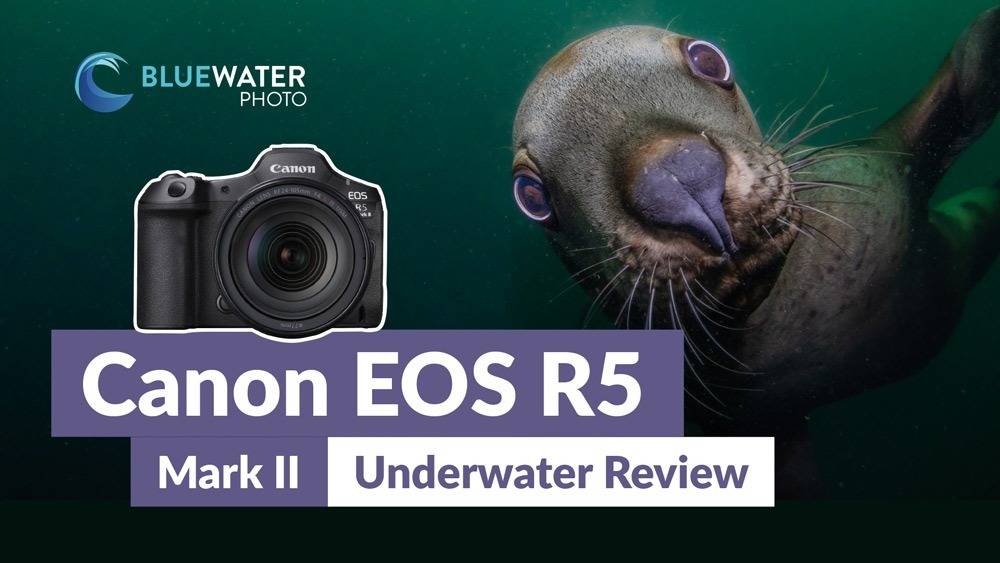
Best Full Frame Camera for Snorkeling - Canon EOS R5 II
Best for:
Advanced snorkelers, freedivers, surf shooters, and serious underwater photographers who want professional full-frame image quality in shallow water. The Canon EOS R5 Mark II is not the most casual camera for snorkeling, but it is one of the best underwater cameras for snorkeling if your priority is high-resolution stills, fast autofocus, and premium video quality rather than a small point-and-shoot setup.
Why we picked it:
The Canon EOS R5 Mark II gives underwater shooters a powerful mix of 45MP full-frame resolution, fast burst shooting, excellent autofocus tracking, strong in-body stabilization, and high-end video features. In our Bluewater Photo field testing, we used the camera across a wide range of underwater conditions, from low-light reef scenes to fast-moving sea lions and detailed macro subjects. The autofocus was one of the biggest standouts, especially when trying to stay locked on a subject in busy, unpredictable underwater environments.
What we liked about using it underwater:
For shallow-water use, the R5 Mark II offers far more image quality than a typical compact snorkeling camera. The large full-frame sensor gives excellent detail for reef scenes, split shots, marine life, and wide-angle images, while the autofocus makes it easier to track quick subjects like ocean mammals or surfers. The 8K/60p and 4K/120p video options also make it a strong hybrid choice for photographers who want both high-resolution stills and cinematic underwater footage from the same system.
Limitations:
This is not the best camera for snorkeling for casual travelers who want something small, simple, and inexpensive. The R5 Mark II body, lenses, and housing system are a serious investment, and a full-frame setup requires more care than a GoPro, compact camera, or smartphone housing. It is also more camera than most casual snorkelers need.
Our Recommended Setup:
For snorkeling, keep the system streamlined: Canon R5 Mark II, Aquatech Edge Pro housing, a wide-angle lens, and a secure wrist strap or grip. For scuba, build it as a complete underwater camera system with a dive-rated housing, vacuum system if available, proper port, dual strobes, arms, clamps, and floats for balance.
Who should skip it:
Skip the Canon R5 Mark II if you want a simple beginner-friendly camera for snorkeling, a compact travel setup, or the most affordable way to take underwater photos. A GoPro, OM System TG-7, SeaLife camera, or smartphone housing will make more sense for most casual snorkelers. But for advanced shooters who want a professional camera for snorkeling, freediving, surf, and full underwater photography, the Canon EOS R5 Mark II is one of the strongest options available.
Canon R5 II sample underwater images


Best Smartphone Housings for Snorkeling
As everyone has thier own smartphone, this section will be more about the housing for your smartphone than which is actually the best smartphone.There are a number of different smartphone housings available. Some being universal while others are similar to the larger mirrrorless housings, whereby they are made to fit certain smartphones, namely iPhones, being the most popular.
Best for:
Snorkelers, recreational divers, travelers, and casual underwater shooters who want to use the phone they already own instead of buying a dedicated underwater camera system. A smartphone housing is often one of the easiest ways to get started with underwater photo and video, especially for people who mainly want reef clips, fish portraits, snorkeling videos, freediving content, or simple dive memories.
Why we picked these Housings:
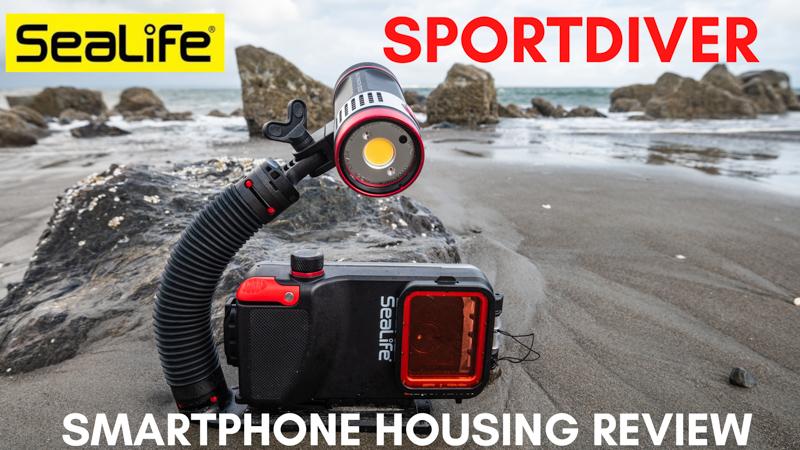
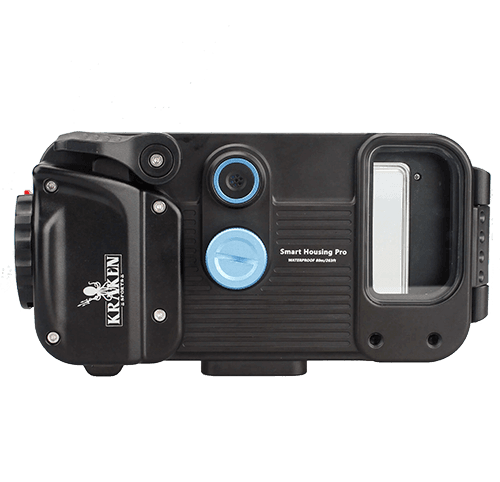
Modern smartphones can produce excellent underwater photos and video when they are protected in a proper dive-rated housing. The housings we recommend most often each solve the same basic problem in slightly different ways. The SeaLife SportDiver Ultra is a strong option for recreational divers who want a simple, secure, vacuum-sealed smartphone housing rated to 130 feet / 40 meters. The DiveVolk SeaTouch 4 Max Plus stands out because it allows touchscreen control underwater, which makes the phone feel more natural to use. The Weefine WFH07X is a more rugged, deeper-rated option with a built-in vacuum system, leak detection, and compatibility with many smartphone models. The Kraken Sports KRH08 is another durable universal housing, with a vacuum system, physical controls, and a deep depth rating for more demanding diving.
What we liked about using them underwater:
The biggest advantage of a smartphone housing is convenience. Most people already know how to frame, focus, and shoot with their phone, so the learning curve is much easier than moving into a compact, mirrorless, or DSLR underwater system. For snorkeling and shallow reef scenes, a phone in a housing can produce very usable photos and video, especially when there is plenty of ambient light. For divers, the better housings add important safety and usability features. Vacuum systems help confirm the housing is sealed before entering the water, while leak detection adds an extra layer of protection. Physical-button housings like the Weefine WFH07X and Kraken KRH08 are useful for divers wearing gloves or shooting in deeper water, while the DiveVolk SeaTouch 4 Max Plus is especially intuitive because it allows direct touchscreen use underwater.
Limitations:
A smartphone housing is not the same as a full underwater camera system. Phones rely heavily on software processing, and performance can vary depending on the phone model, camera app, lens selection, lighting, and water conditions. In deeper water, colors disappear quickly, so video lights or strobes become important if you want bright, colorful results. Wide-angle wet lenses, trays, handles, and lights can make a big difference, but they also make the setup larger and more expensive. Smartphone housings are also not ideal for every type of underwater photography. If your goal is serious macro, fast-action wildlife, large prints, professional video production, or full manual control with strobes, a compact, mirrorless, or full-frame underwater system will still be a better long-term choice. Smartphones cannot really trigger strobes so unfortunately they do not work well for stills photography at depths. In this case, using powerful continuous lighting would be your best option to bring back colors and ensure great images.
Our Recommended Setup:
For most snorkelers, keep it simple: a SeaLife SportDiver Ultra, DiveVolk SeaTouch 4 Max Plus, Weefine WFH07X, or Kraken KRH08 with a secure wrist strap and plenty of battery life on the phone. For divers, we recommend adding a tray and handle for stability, plus a video light if you plan to shoot below shallow, bright water. The deeper you dive, the more important lighting becomes.
Who should skip it:
Skip a smartphone housing if you want the highest possible image quality, full manual camera control, interchangeable lenses, reliable strobe-based still photography, or a system you can grow into for advanced underwater photography. In that case, a dedicated compact camera, mirrorless camera, or full-frame underwater system will be a better fit. But for snorkelers, travelers, and recreational divers who want a simple and familiar way to capture underwater photos and videos, smartphone housings, together with your favorite smartphone, are one of the most practical entry points into underwater imaging.
Our 4 Best Smartphone Housings for Snorkeling
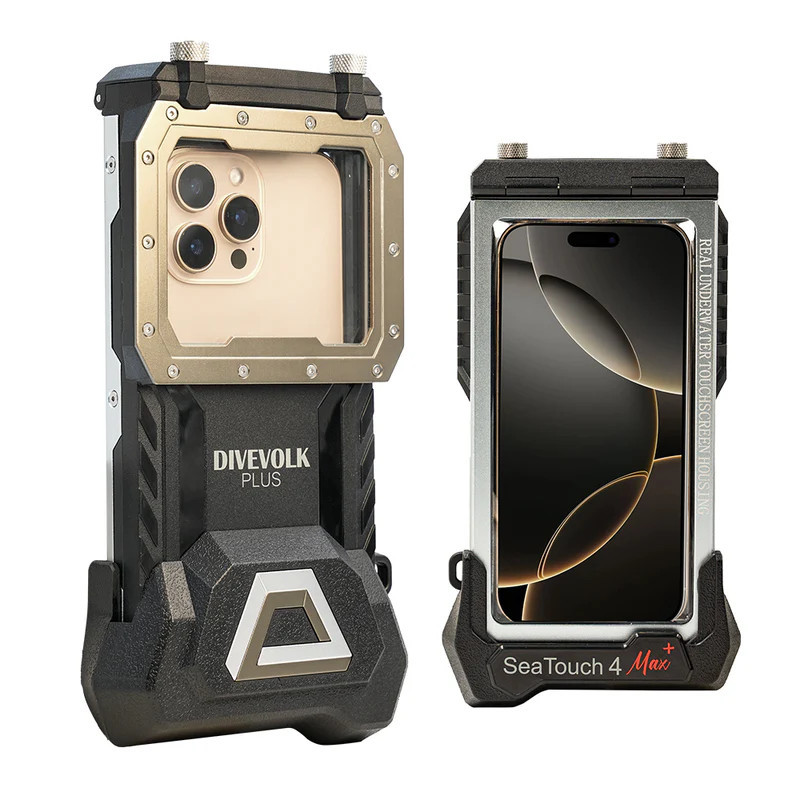


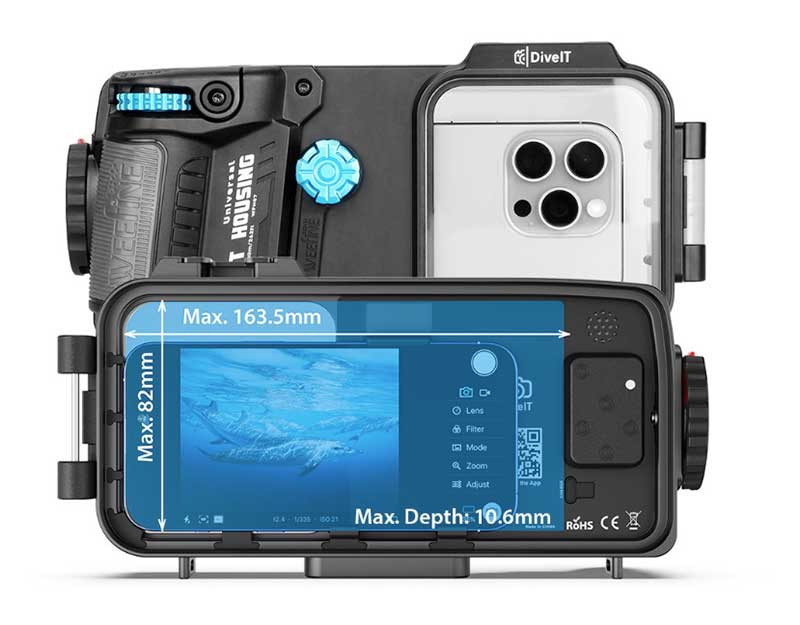
We have tested some of these housings underwater for you

Sample underwater images taken with Smartphones and an underwater housing


FAQ's
The GoPro HERO13 Black is the best overall camera for most snorkelers because it offers exceptional 5.3K video quality, an easy-to-use interface, and class-leading HyperSmooth 6.0 stabilization to clean up shaky surface water footage. It is waterproof down to 33 feet (10 meters) without an external housing, making it highly streamlined and travel-friendly.
Best for: Casual snorkelers, family vacations, and video-first creators.
Limitation: It is not ideal for macro (extreme close-up) photos unless you add an aftermarket wet lens.
The OM System Tough TG-7 (formerly Olympus) is the best camera for macro snorkeling photography. Its dedicated "Microscope Mode" allows the camera to focus exceptionally close on tiny marine life—like shells, coral textures, and small reef fish—without needing a bulky external setup.
Key Advantage: It is rugged, shockproof, and waterproof up to 50 feet (15 meters) natively.
Who should skip it: Snorkelers who prioritize ultra-smooth, one-handed action video over still photos should opt for a GoPro instead.
Yes, modern smartphones can produce excellent snorkeling photos and videos when paired with a high-quality, dive-rated housing. Highly recommended universal options include the SeaLife SportDiver Ultra and the DiveVolk SeaTouch 4 Max Plus, the latter of which uniquely allows for direct touchscreen operation underwater.
Pros: Instant sharing to social media, familiar camera interface, and no need to buy a separate camera body.
Cons: Smartphone setups rely heavily on ambient light. Because smartphones cannot easily trigger external strobes, they lose color accuracy at deeper depths unless paired with powerful continuous video lights.
Whether you need a housing depends entirely on the camera model and your depth:
No Housing Needed: Action cameras like the GoPro HERO13 (waterproof to 33 ft) and rugged compacts like the OM System TG-7 (waterproof to 50 ft) can be used completely bare in shallow water.
Housing Required: High-end compacts like the Sony RX100 VII or professional full-frame bodies like the Canon EOS R5 II are not inherently waterproof and require a specialized underwater housing to be taken into the ocean.
Water absorbs red and warm light tones rapidly, even in shallow water, causing images to look washed out or overly blue. To fix this and bring back vibrant coral and fish colors:
1. Stay Shallow: Shoot in bright, direct sunlight with the sun behind you.
2. Use Underwater White Balance: Use your camera's built-in "shallow" or "snorkeling" white balance presets.
3. Add Artificial Light: For deeper reef structures or cloudy days, use a continuous video light mounted to a camera tray.
Why Trust Bluewater Photo?
Bluewater Photo, recognized as the #1 online retailer specializing in underwater photography and scuba diving equipment, with real-world experience supporting, selling, and configuring underwater camera systems. Our team includes professional underwater photographers and videographers with over 15 years of experience testing and photographing underwater to ensure you get thorough first hand experience and trusted reviews.
Expertise in Underwater Photography: Run by passionate divers and photographers who truly understand the gear and how it performs in real-world conditions.
Competitive Pricing: Offers competitive prices with added value like expert advice and top-tier customer support. We will match and beat any price!
Established Reputation: Trusted by thousands of divers, photographers, and professionals worldwide.
Exceptional Customer Support: Personalized service from knowledgeable staff who care about getting you the right gear.
Transparent and Honest Advice: Recommendations are based on what’s best for your needs—not just what’s in stock.


Anthony Grote
Anthony Grote is a South African-based professional photographer, widely recognized for his work in underwater, wildlife, adventure sports, and hospitality photography. His passion for the craft began in the early 1990s during his studies, where he initially focused on bird photography.
As his interest expanded into underwater photography, Anthony moved to the Cayman Islands, where he spent two years working as an underwater photo pro. He later returned to South Africa to establish his own photography business, specializing primarily in adventure sports and the hospitality industry.
Over the years, Anthony has received numerous accolades for his underwater and wildlife imagery. His work has also included contributions to the National Geographic production The Real Serengeti, filmed in the iconic Serengeti wilderness.
Today, Anthony continues to travel the globe, diving and documenting nature whenever possible. He currently serves as the Website Manager for Bluewater Photo, while still pursuing adventure sports photography in his spare time.