
Men and the Dive mechanics
At Bluewater we are not just about selling travel, scuba and camera gear, we have loads of experience to share. That's why we are proud to present the Gentlemen of Bluewater. Our seasoned divers are sharing their top insights, tips and tricks that have been tested through decades of diving.
Tim Yeo - General Manager and COO of Bluewater Travel

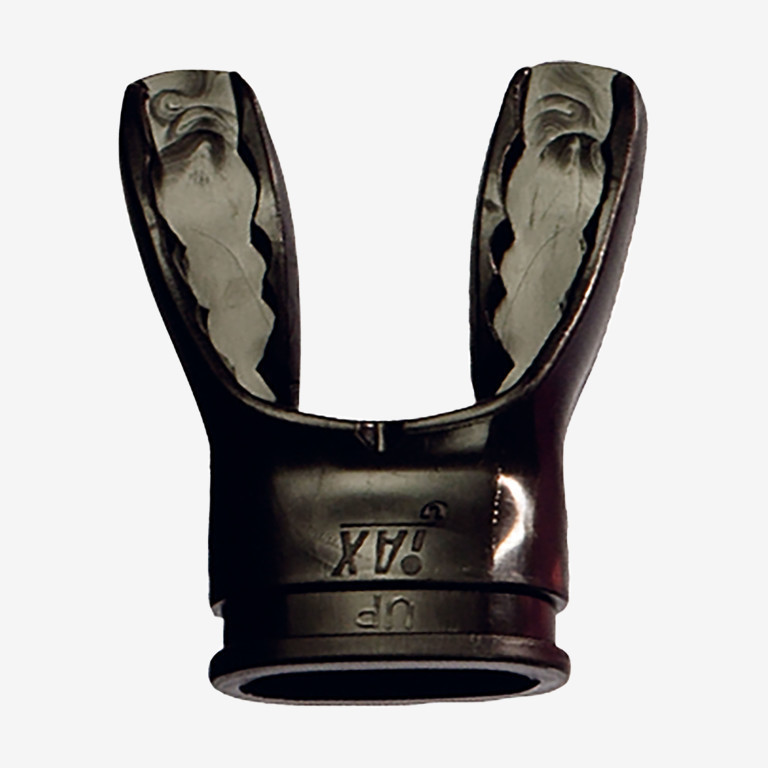
"Always rinse your mask with fresh water after a dive, and be sure to travel with it snugly tucked in its mask box. This simple trick will keep your mask scratch-free, ensuring you enjoy crystal-clear views underwater without the frustration of a scratch compromising your vision. And here’s a bonus tip—stash a spare mouthpiece and a few zip ties in that mask box. Zip ties are like the Swiss Army knife of scuba trips—they can fix just about anything!"
Kevin van Cleynenbreugel - Junior Travel consultant

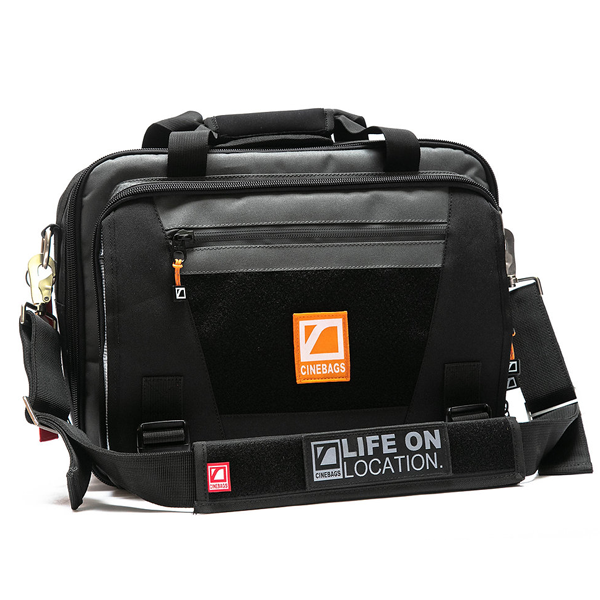
"When traveling with uw camera gear, based on personal experience, do not use fancy pelican cases as these "shout" camera gear. My gear was recently stolen when traveling from the USA, so I did some asking around, and it appears as though the best advice is to use a hardshell non-descript case, with your gear wrapped in bubble wrap. Carry on what you can, using bags like the Cinebags Lens Smuggler (which we sell), a camera backpack, and the rest place in your check luggage. Even go so far as to carry-on your rig set-up as it appears that works for some people. Hopefully this will get you to your destination without the disappointment of your gear not arriving."
Anthony Grote - Website Manager

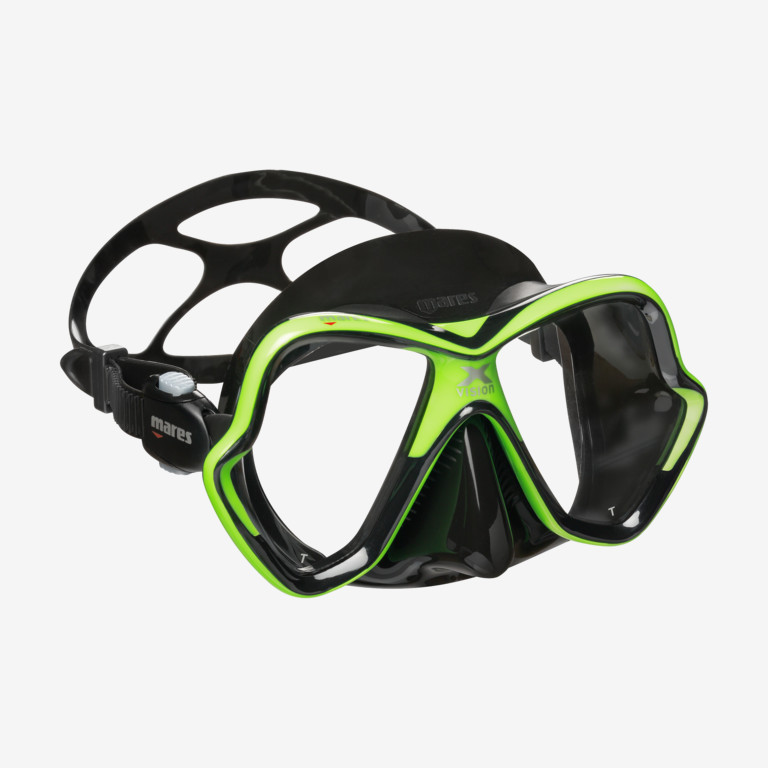
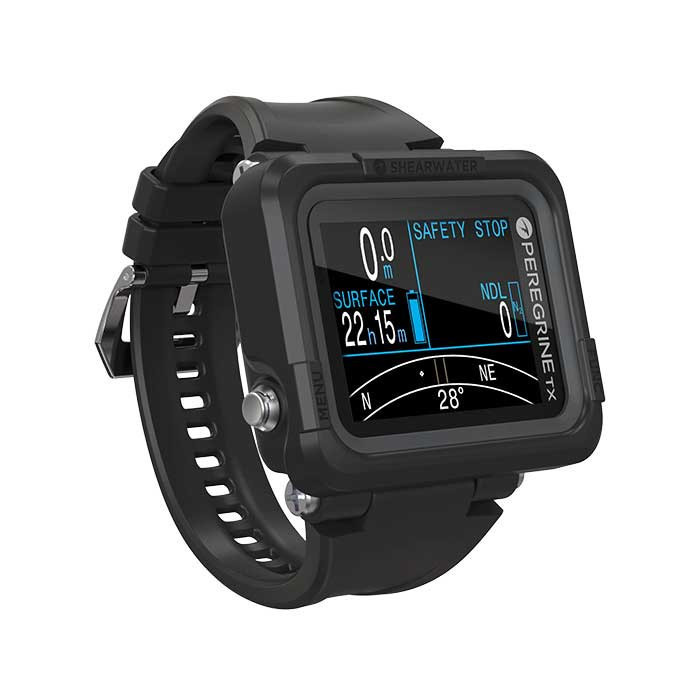
"As a....let's say mature diver.... My eyesight is not quite what it used to be. Struggling with long-sightedness makes it difficult underwater to see your dive computer or your camera clearly. My diving life changed when I got a Mares X-Vision prescription mask, which for me effectively works like a bi-focal with a lens in the lower portion of the glass. I am now able to see clearly underwater whether it is close or distant"
Wayne Tarr - Sales Consultant

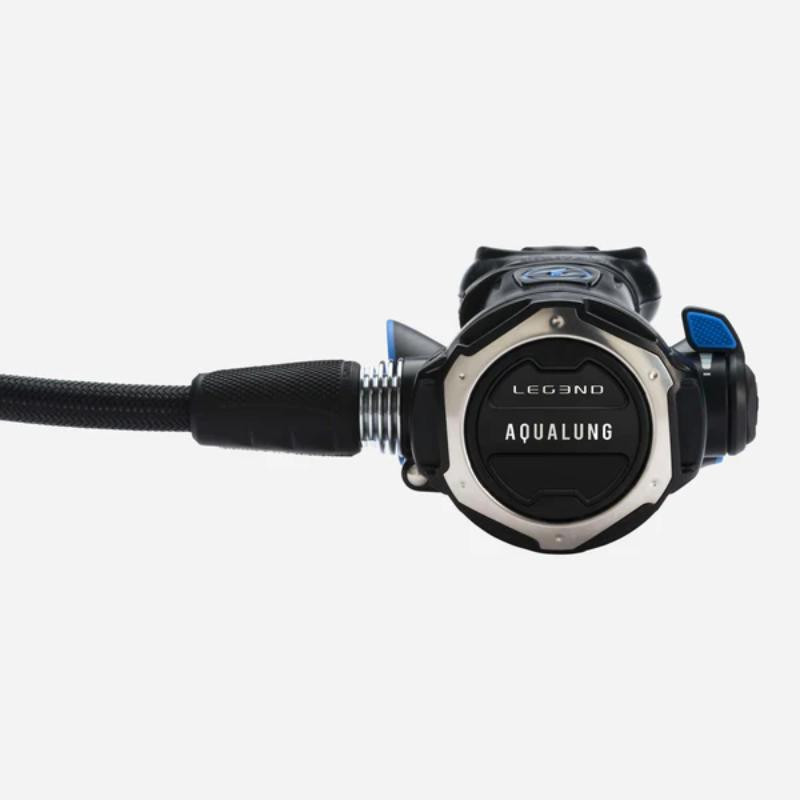
"To keep your regulator in top shape, remember to purge your tank valve before mounting the reg. and opening the tank. This simple step helps prevent water, salt, sand, dust, or debris from entering the 1st stage. If not, your $1000 regulator will end up on eBay for $100!!!"
Simon

"Allow your subject to come to you. Give space between other divers in your group to allow wildlife to approach you. If your mask is fogging up, burn it every day for a week and rinse it out after each burn"
Mike Pizzi - Photo sales consultant and expedition leader


"Most photographers know the importance of dunking their camera system in fresh water after diving in the ocean. But there is little benefit in soaking that system in between dives. If you allow salt water to evaporate on the equipment, it will be extremely difficult to remove the salt crystals once they dry, especially in hard-to-reach areas. So get it into the rinse tank within the first few minutes of exiting the water. And, unless you happen to be the only photographer on the boat, the communal rinse tank can be a demolition derby for camera gear! It's not that your fellow photographers don't mean well, but people are often careless when removing their camera from a pile of others in the rinse tank. The result is often scratched domes, broken cables, and even floods. NEVER leave your camera unattended in a communal rinse tank! Instead, to avoid salt crystals forming, promptly submerge it in the rinse tank, work the buttons, move the knobs, then get it the heck out of there and into a protective environment like a cooler bag until the next dive! "
Mark Strickland- Photo sales consultant and expedition leader

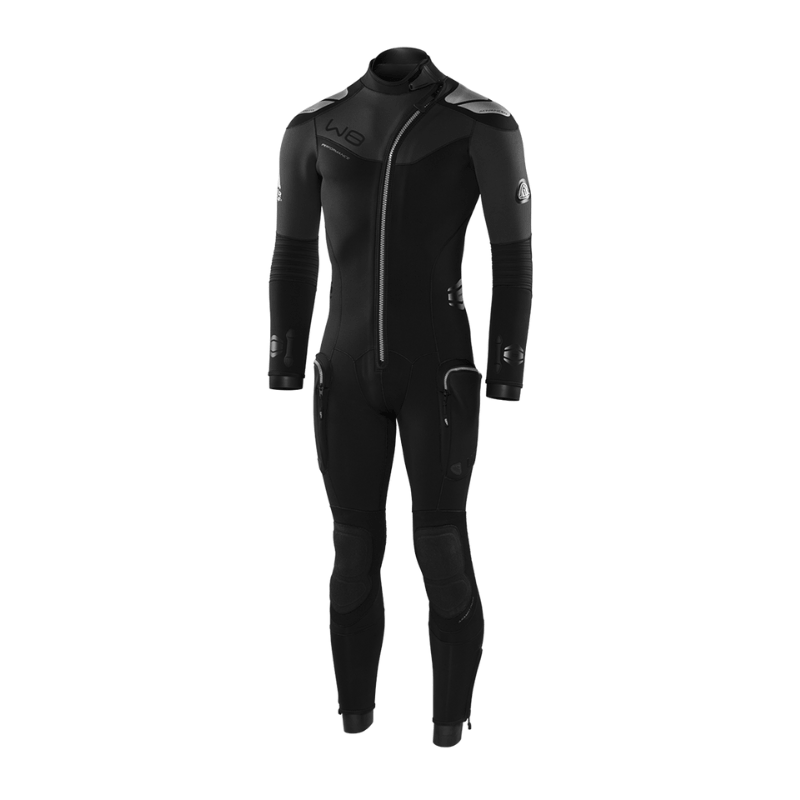
"Plastic bags are the villains of the environment, but boy, do they make putting on a wetsuit a breeze! Just slip your foot into a bag and watch as you glide through those wetsuit legs like a hot knife through butter—voila! Once you’re suited up, stuff that bag into your dive gear box and use it again and again and again."
Martin Langenberg - Digital Merchandise Specialist

"Eat bananas before diving! They help prevent calf cramps - especially in cold water.
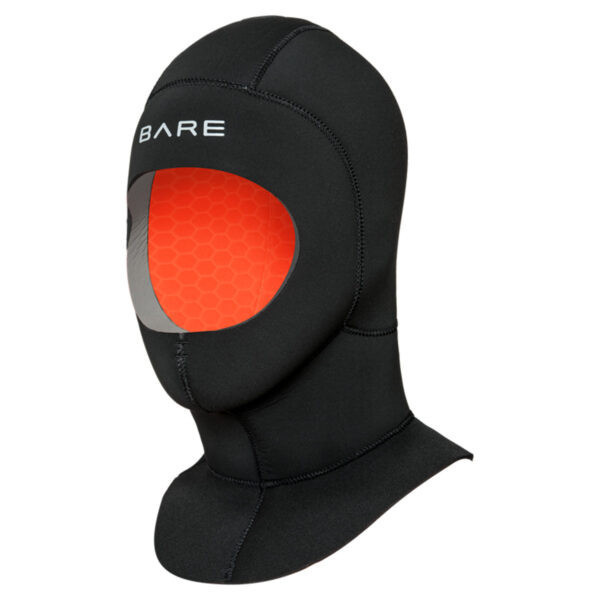
A warm head is the key to success. A good hood is all you need to stay warm as the majority of your heat loss underwater is from your head"
Nirupam Nigam - President of Bluewater Photo | Editor-in-Chief of Underwater Photography Guide