

Our First-Hand Experience with the Sony A7R VI Underwater
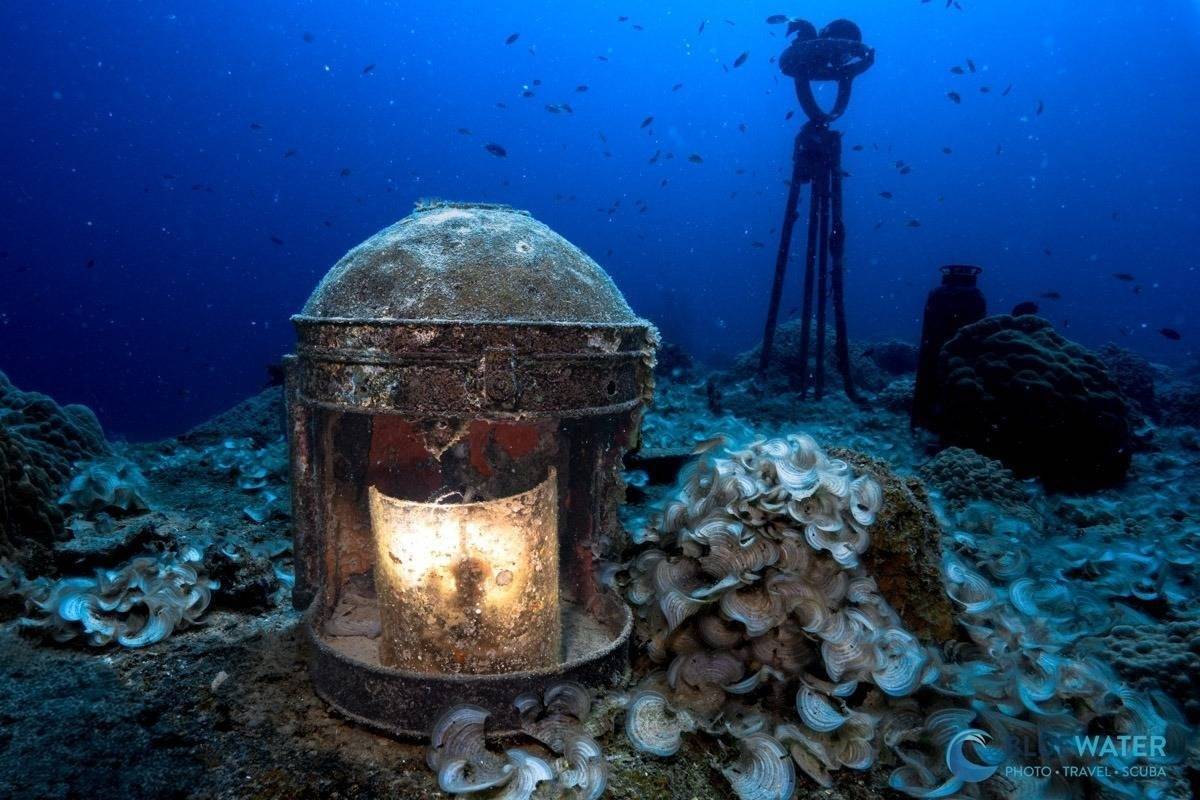
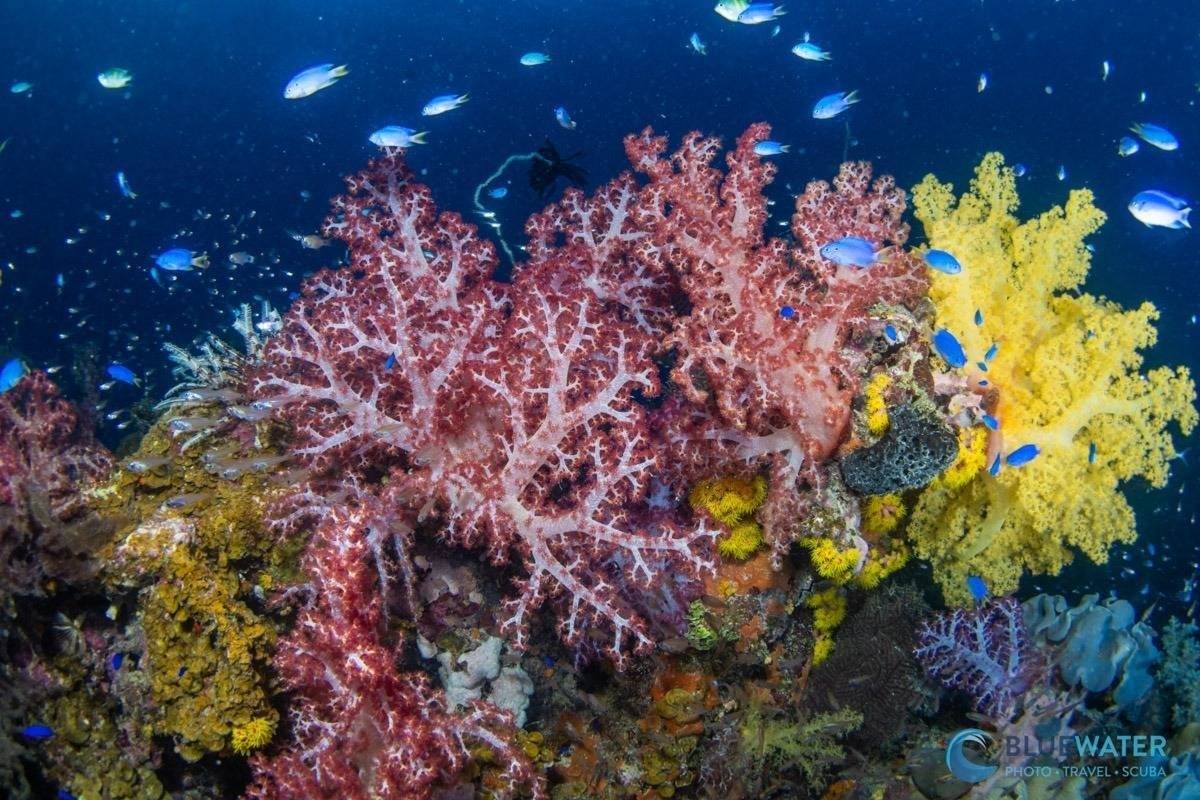
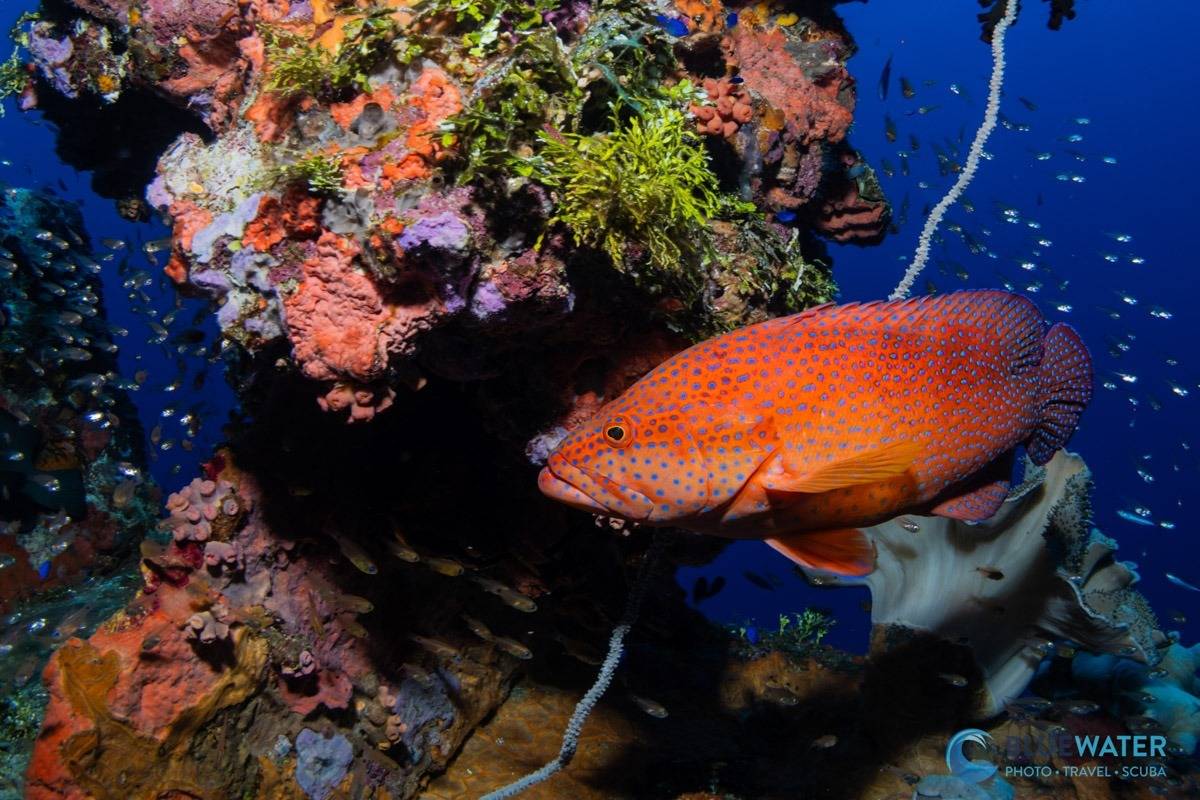
As always, Bluewater is the first to take a new camera underwater. We managed to get an underwater housing for the Sony A7R VI from Ikelite and took it on our recent trip to Truk Lagoon. Nirupam Nigam tested the Sony A7R VI over a week of wreck diving in Truk Lagoon, using the Ikelite housing at depths of up to 165 feet. The camera was used for both stills and video in dark interiors, mixed ambient light and other demanding underwater conditions. In these tests, the 67-megapixel stacked sensor and improved image stabilization produced clean, sharp files at slower shutter speeds and mid-range ISO settings, with less motion blur than we experienced with earlier A7R models. This hands-on testing also gave us a practical understanding of the camera’s controls, battery performance and housing requirements. Our housing recommendations below are based on that experience, along with each system’s ergonomics, construction, port options and compatibility. For more details on our testing methods and findings, read our full Sony A7R VI underwater review.
Sample images taken during our testing in Truk Lagoon
The Sony Alpha 7R V solidified its position as an extremely popular camera choice in the underwater imaging community, widely regarded by our team and clients alike as a powerhouse for ultra-high-resolution macro and wide-angle photography. Its 61-megapixel sensor provided unprecedented cropping capabilities, allowing macro shooters to preserve incredible detail even with heavy crops, while its groundbreaking AI autofocus and improved in-body image stabilization (IBIS) made it a highly reliable workhorse in dynamic marine environments. For mored details and insight into this camera, please read our Sony A7r V underwater review. MOst of the underwater housing manufacturers support underwater housings for the Sony A7r V, and we anticipiate that many of them will also support an underwater housing for the Sony A7r VI.
With the official announcement of the new Sony a7R VI, the line between pure resolution and high-speed performance has officially been blurred. Based on the newly unveiled specifications, we anticipate this camera will be just as popular—if not more so—for underwater creators. The a7R VI transitions to a 66.8-megapixel stacked CMOS sensor paired with a significantly faster processor. For underwater shooters, this solves one of the few limitations of its predecessor: speed. The new model jumps from a 10 fps burst rate to an impressive 30 fps using the electronic shutter, while drastically reducing rolling shutter by roughly 5.6 times. Combined with an upgraded 8.5-stop image stabilization system, the ability to lock onto fast-moving pelagic subjects or minimize motion blur on low-light reefscapes is vastly improved. On the video side, it steps up performance with internal 4K/120p recording alongside its 8K/30p capabilities, offering hybrid shooters much smoother slow-motion footage underwater.
Available Sony A7r VI Underwater Housings
Because the a7R VI features a newly designed body structure and layout to support its updated hardware and battery capabilities, it will require dedicated underwater housings. Manufacturers are already moving quickly to support this flagship body:
Ikelite: Ikelite has already indicated their commitment to supporting the a7R VI. We anticipate a Dry Lock (DL) polycarbonate housing option, which will offer a lightweight, corrosion-resistant, and cost-effective entry point for shooters wanting robust TTL strobe integration.
Nauticam: Known for top-tier aluminum craftsmanship and precise ergonomics, Nauticam is expected to release a rugged housing optimized for the a7R VI’s new controls, likely featuring their signature bayonet port locking system and seamless access to custom buttons.
Marelux: As a highly popular premium aluminum option, Marelux is also expected to manufacture a dedicated housing, incorporating their reliable dual-locking mechanism and excellent integration with smart accessories like vacuum entry systems.
Aquatica: A popular housing ,manufacturer based in Canada. They have always produced rugged, well designed housings which are easy to use, take the everyday knocks of diving with ease and include the surveyor vacuum system to provide added assurity before diving about your system integrity.
Housings from other major manufacturers are anticipated to follow closely behind the camera’s release. We will keep you informed if and when more housings are announced.
Our Best Sony A7R VI Underwater Housings
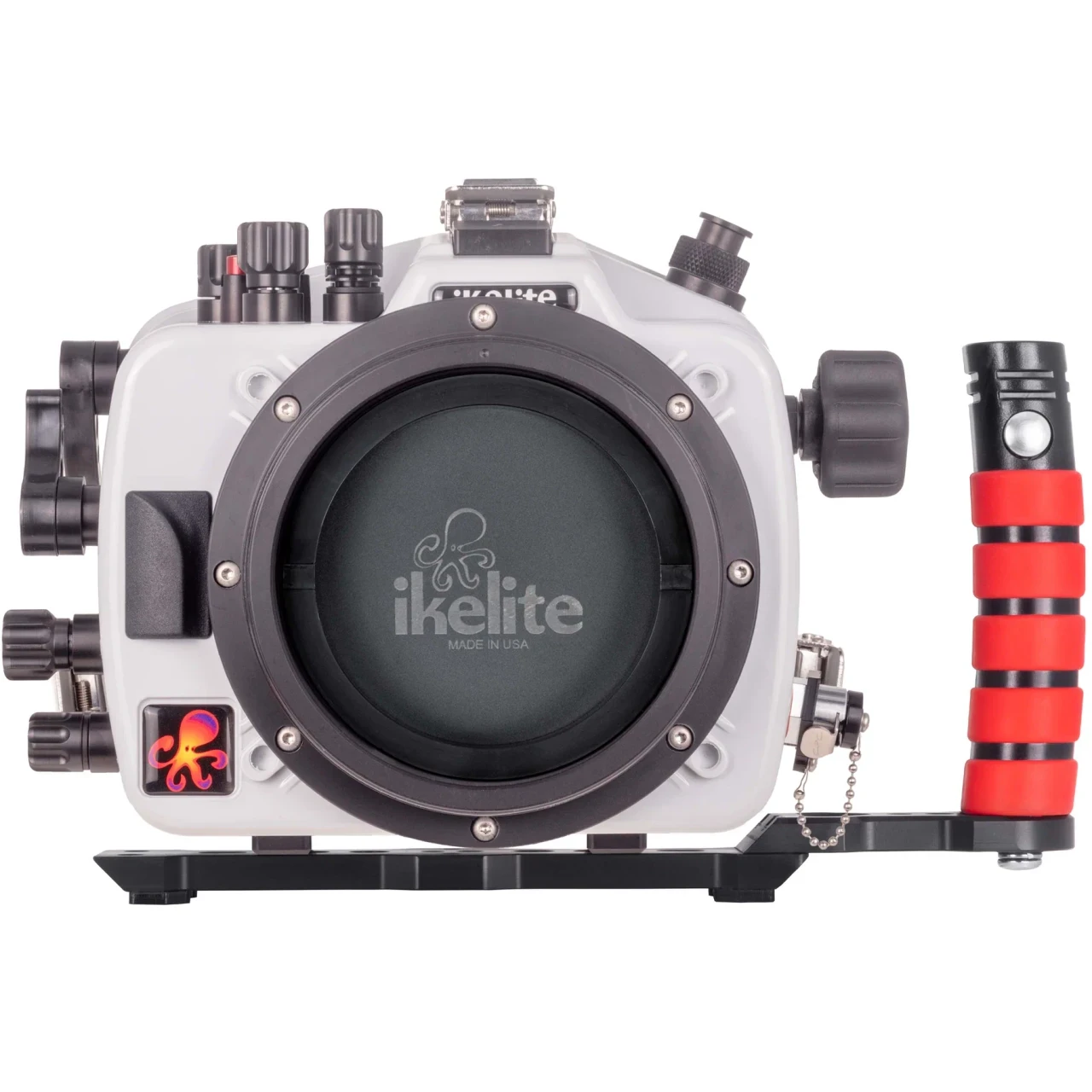
Ikelite Sony A7R VI 200DL Underwater Housing
*Light, Polycarbonate with Great Ergonomics, User-friendly, Durable*
Best for:
Underwater photographers looking for a heavy-duty, depth-rated housing that offers full-frame performance and highly accurate TTL strobe integration without the premium price tag of aluminum.
Why we like Ikelite:
The Ikelite 200DL balances affordability with professional-grade capability. Built from a robust, clear polycarbonate blend, it provides a lightweight, corrosion-proof alternative to aluminum rigs while offering a visual seal check of the internal O-ring. It is the most economical entry point into full-frame a7R VI shooting, especially for photographers who want seamless Ikelite-to-Sony TTL strobe exposure.
What we like about Ikelite underwater:
The transparent back gives peace of mind during the initial descent, allowing you to visually verify the dry-seal. Large, tactile controls make it easy to manipulate camera dials even when wearing thick gloves. When paired with the Dry Lock (DL) port system, it holds large wide-angle lenses steady with zero port flex, and the housing remains surprisingly neutral in the water column.
Limitations:
Polycarbonate builds are naturally bulkier than machined aluminum housings, which can increase drag in high-current environments. While the ergonomics are highly functional, they lack the ultra-refined, closely contoured finger-tip control placements found on premium aluminum setups.
Best camera setups:
Sony a7R VI paired with heavy strobes (like the Ikelite DS230) utilizing the optional Sony TTL converter for rapid, automated strobe exposure.
Recommended rig:
The housing paired with the Ikelite dual tray and quick-release handles, an external vacuum pump to utilize the built-in vacuum valve, and dual DS-series strobes for wide, flawless lighting coverage.
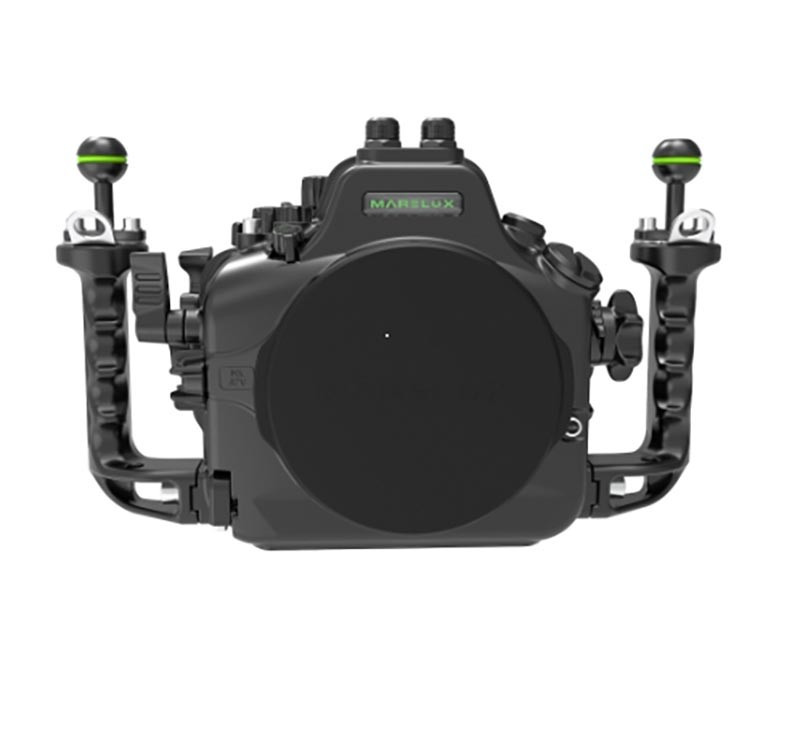
Marelux Sony A7R VI Underwater Housing
*High-grade aluminum alloy construction with superb ergonomics and built-in safety*
Best for:
Divers who want a premium, highly durable aluminum housing featuring cutting-edge locking safety innovations and excellent style without paying top-tier custom prices. Marelux also features cutting edge technology add-ons which make the entire housing system unique - this includes strobes, wireless transmitters, arms and accessories.
Why we like Marelux housings:
Marelux has quickly earned a reputation for combining precise aluminum engineering with practical safety features. We selected it for its innovative dual-locking closure system and an isolated port-locking mechanism that eliminates any risk of accidental detachment underwater. It offers a rugged, anodized shell that stands up to demanding boat environments while keeping the a7R VI perfectly secure.
What we liked about using Marelux underwater:
The housing feels exceptionally balanced and hydrodynamic in the water. The button and dial extensions provide smooth, clicky mechanical feedback that mirrors the native feel of the camera. With other camera models, accessing the camera’s controls feels completely natural, allowing you to work quickly and efficiently while photographing fast-moving marine life without shifting your hand position off the handles.
Limitations:
The accessory ecosystem, while growing rapidly, is slightly less expansive than legacy brands. Finding highly specific third-party viewfinder adaptations or custom monitoring brackets may require additional research or specialized adapters. - please contact our team of experts at Bluewater Photo for any assistance you may require.
Best camera setups:
Hybrid shooters utilizing the a7R VI for both high-resolution macro stills and 4K/120p video who need a system that easily accommodates external monitors or smart vacuum accessories.
Recommended rig:
The Marelux housing equipped with their proprietary smart vacuum alarm system, dual macro or wide-angle ports, and extensions tailored to Sony’s top glass like the 100mm macro or 16-35mm wide-angle lenses.
Aquatica Sony A7R VI Underwater Housing
*Rugged, durable, and includes full vacuum system*
Best for:
Technical divers, cold-water photographers, and expedition shooters who require extreme depth ratings, rugged durability, and reliable mechanical control in harsh marine environments.
Why we like Aquatica housings:
Aquatica is renowned for building rugged, military-grade anodized aluminum housings designed to withstand demanding dive conditions. We value Aquatica setups for their exceptional depth ratings, heavy-duty self-locking latches, and mechanical controls engineered with ample spacing, making them exceptionally easy to operate even when wearing thick cold-water gloves. It is one of our favorite Brands as noted in my hands-on review of the Nikon Z8 housing. A solid and reliable housing, easy to use underwater and takes the everyday knocks, handed out on dive boats and shore dives, with ease.
What we liked underwater:
The oversized control knobs and tactile levers provide clear physical feedback, making blind adjustments simple in low-visibility or high-current situations. Underwater, the housing feels solid, hydrodynamic, and well-balanced, delivering dependable mechanical response for key exposure and focus controls without unnecessary complexity.
Limitations:
The robust, thick-walled aluminum design adds extra weight on land compared to lighter aluminum competitors, requiring careful consideration for flight luggage limits. The control layout is also optimized for glove clearance, which can feel slightly less compact for divers with smaller hands.
Best camera setups:
Deep technical diving rigs, cold-water macro setups, and extreme-environment wide-angle systems paired with high-output strobes and Sony G-Master glass.
Recommended rig:
The Aquatica housing configured with the optional Surveyor vacuum leak-detection system, an optical or electrical strobe trigger, dual strobes on rigid ball arms, and Aquatica's optical glass dome port for Sony wide-angle lenses.

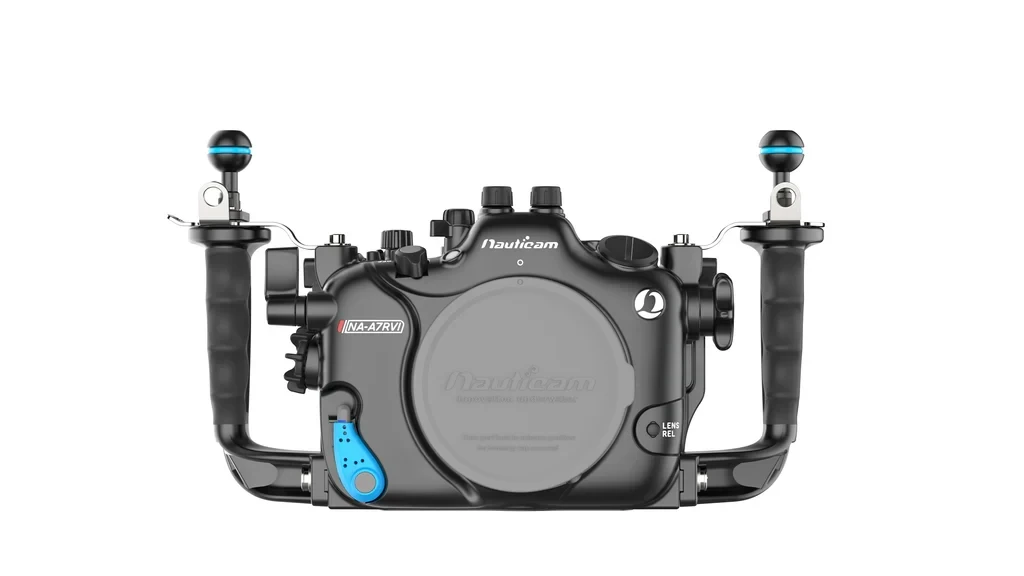
Nauticam Sony A7R VI Underwater Housing
*Excellent Ergonomics, User-friendly, Durable*
Best for:
Professional shooters, commercial underwater photographers, and demanding enthusiasts who require the absolute pinnacle of ergonomic engineering, optical accessories, and rugged reliability.
Why we like Nauticam housings:
Nauticam sets the industry benchmark for machined aluminum housings. We recommend these housings because of its unmatched ergonomic layout—placing vital camera functions right at your fingertips using a natural pinching gesture—and its seamless integration with world-class water contact optics (like the WACP and SMC), and a vast array of accessories.
What we liked underwater:
The legendary patented rotary locking lever makes opening and closing the housing effortless and secure. Underwater, the controls are incredibly fluid; pulling focus or adjusting exposure dials feels instantaneous. The ability to swap ports using the quick-release bayonet system saves critical time between dives when switching from a macro setup to a wide-angle pelagic shoot.
Limitations:
It represents the highest financial investment on the market. Additionally, the premium marine-grade aluminum and dense internal control mechanisms make the housing heavier on land, requiring careful weight planning for air travel.
Best camera setups:
Pro-level rigs featuring high-end cinema monitors or heavy external strobes, configured with premium Sony G-Master lenses and Nauticam’s specialized corrective optics.
Recommended rig:
The Nauticam housing fitted with an angled magnifying viewfinder, the internal vacuum check and leak detection system, and a dual-strobe configuration connected via fiber optic cables for high-speed 30 fps burst shooting.
Why Trust Bluewater Photo?
Bluewater Photo, recognized as the #1 online retailer specializing in underwater photography and scuba diving equipment, with real-world experience supporting, selling, and configuring underwater camera systems. Our team includes professional underwater photographers and videographers with over 15 years of experience testing and photographing underwater to ensure you get thorough first hand experience and trusted reviews.
Expertise in Underwater Photography: Run by passionate divers and photographers who truly understand the gear and how it performs in real-world conditions.
Competitive Pricing: Offers competitive prices with added value like expert advice and top-tier customer support. We will match and beat any price!
Established Reputation: Trusted by thousands of divers, photographers, and professionals worldwide.
Exceptional Customer Support: Personalized service from knowledgeable staff who care about getting you the right gear.
Transparent and Honest Advice: Recommendations are based on what’s best for your needs—not just what’s in stock.


Anthony Grote
Anthony Grote is a South African-based professional photographer, widely recognized for his work in underwater, wildlife, adventure sports, and hospitality photography. His passion for the craft began in the early 1990s during his studies, where he initially focused on bird photography.
As his interest expanded into underwater photography, Anthony moved to the Cayman Islands, where he spent two years working as an underwater photo pro. He later returned to South Africa to establish his own photography business, specializing primarily in adventure sports and the hospitality industry.
Over the years, Anthony has received numerous accolades for his underwater and wildlife imagery. His work has also included contributions to the National Geographic production The Real Serengeti, filmed in the iconic Serengeti wilderness.
Today, Anthony continues to travel the globe, diving and documenting nature whenever possible. He currently serves as the Website Manager for Bluewater Photo, while still pursuing adventure sports photography in his spare time.