Caribbean Underwater Photography: Tips, Marine Life & Gear
Posted by Chris Haysey on April 20th, 2026
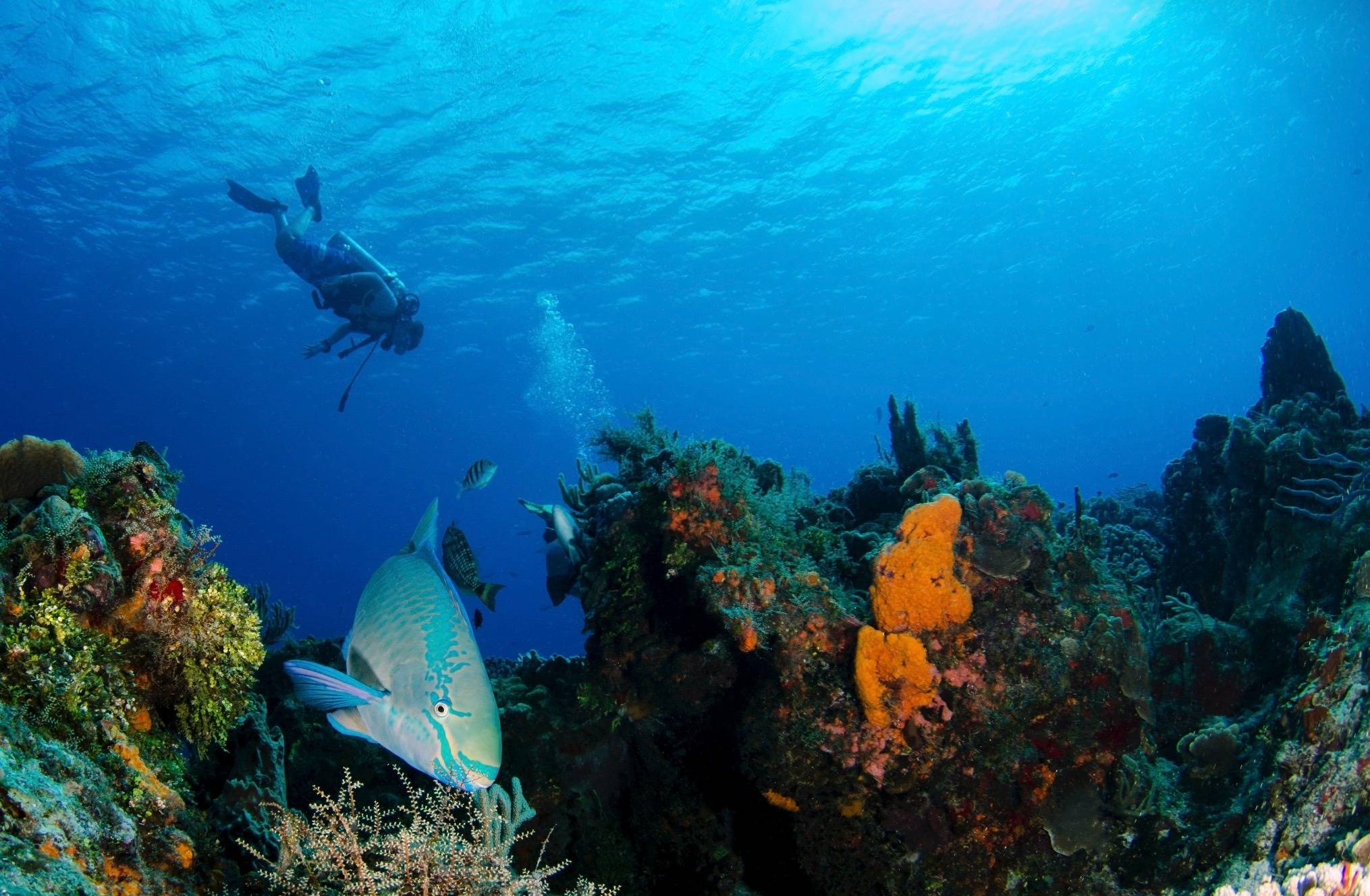
If you enjoy photographing healthy Caribbean reefs, colorful fish, turtles, rays and the occasional shark, but also like slowing down to look for nudibranchs, shrimp and other small critters, St. Eustatius, or Statia, is worth a serious look. Add volcanic reef formations, historic wrecks and generally good visibility, and you have a destination that gives underwater photographers plenty of variety without requiring a dedicated macro or wide-angle trip.
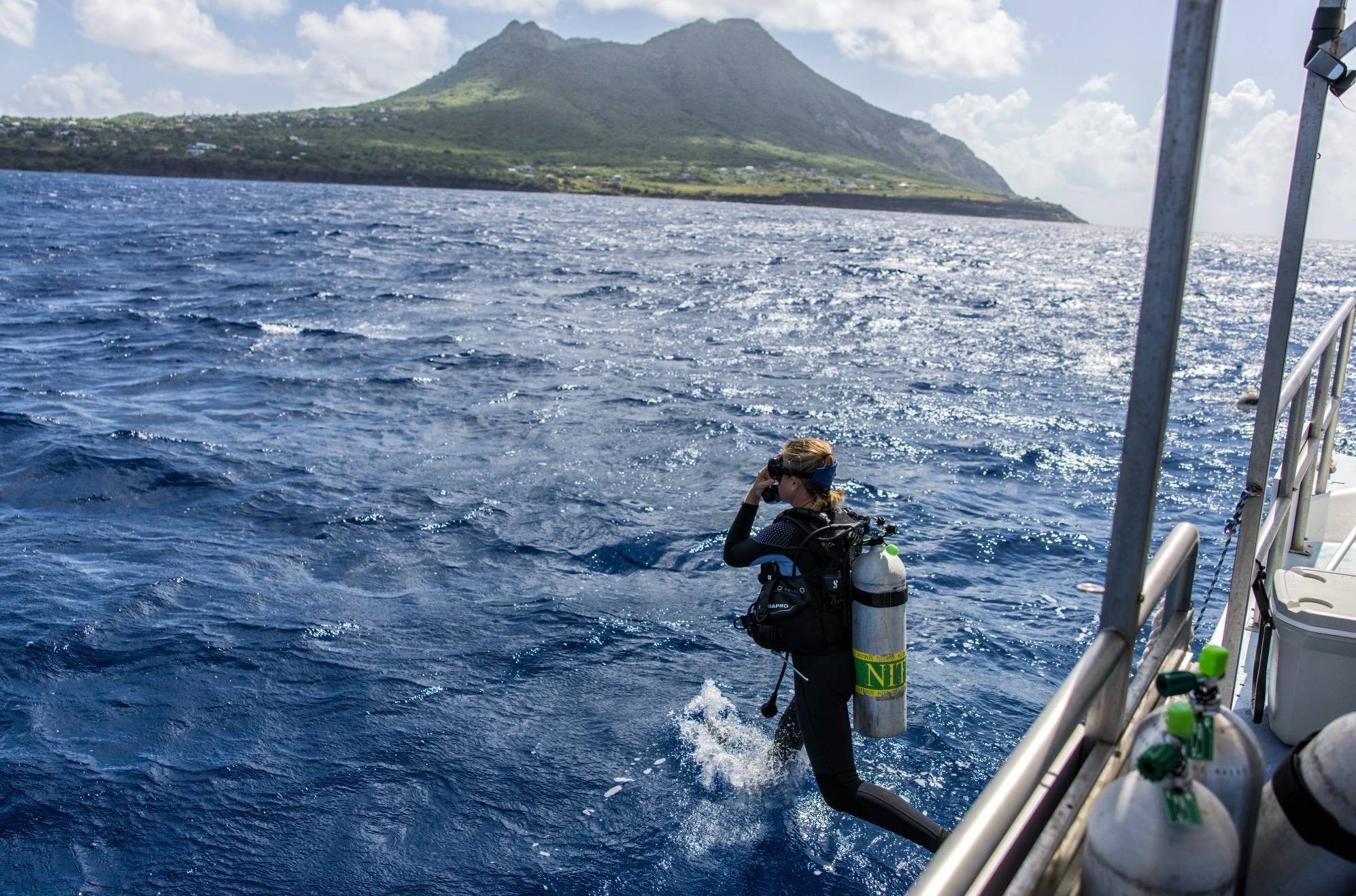
Statia is a small Dutch Caribbean island located between St. Kitts and St. Maarten. Much of the diving is along the island's leeward side, where dive sites are generally reached by short boat rides. Depths range from relatively shallow sites to around 100 feet, with walls, lava formations, boulder slopes, wrecks and coral-covered reefs all part of the mix.
For photographers, the combination is particularly useful. You can spend one dive shooting a turtle or reef scene with a wide-angle lens, then spend the next looking for small animals around coral heads, sponges and wreckage.
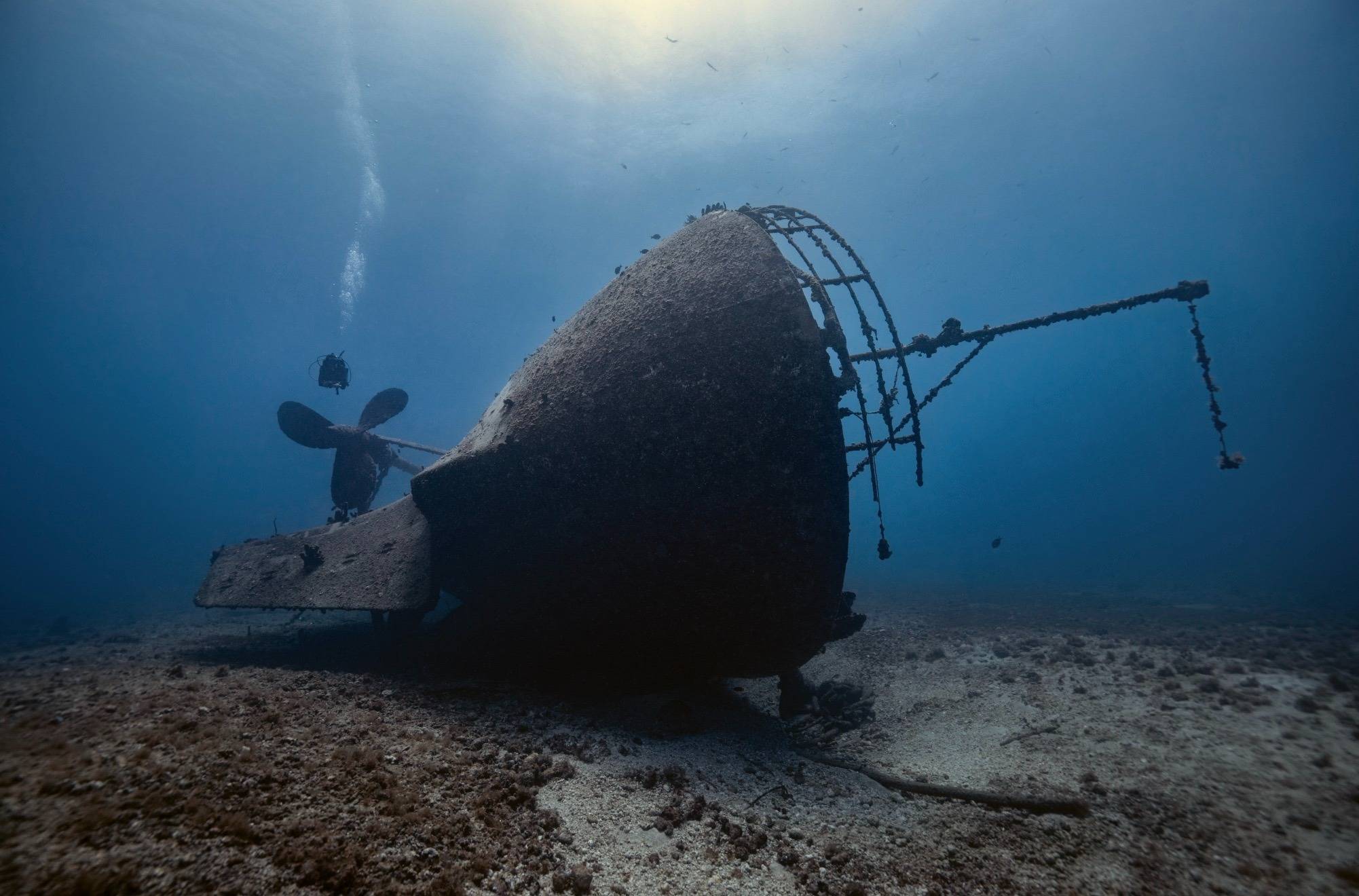
Image by William Drumm
What Can You Photograph?
Statia is not exclusively a macro destination, and it is not primarily a shark destination either. The appeal is the variety.
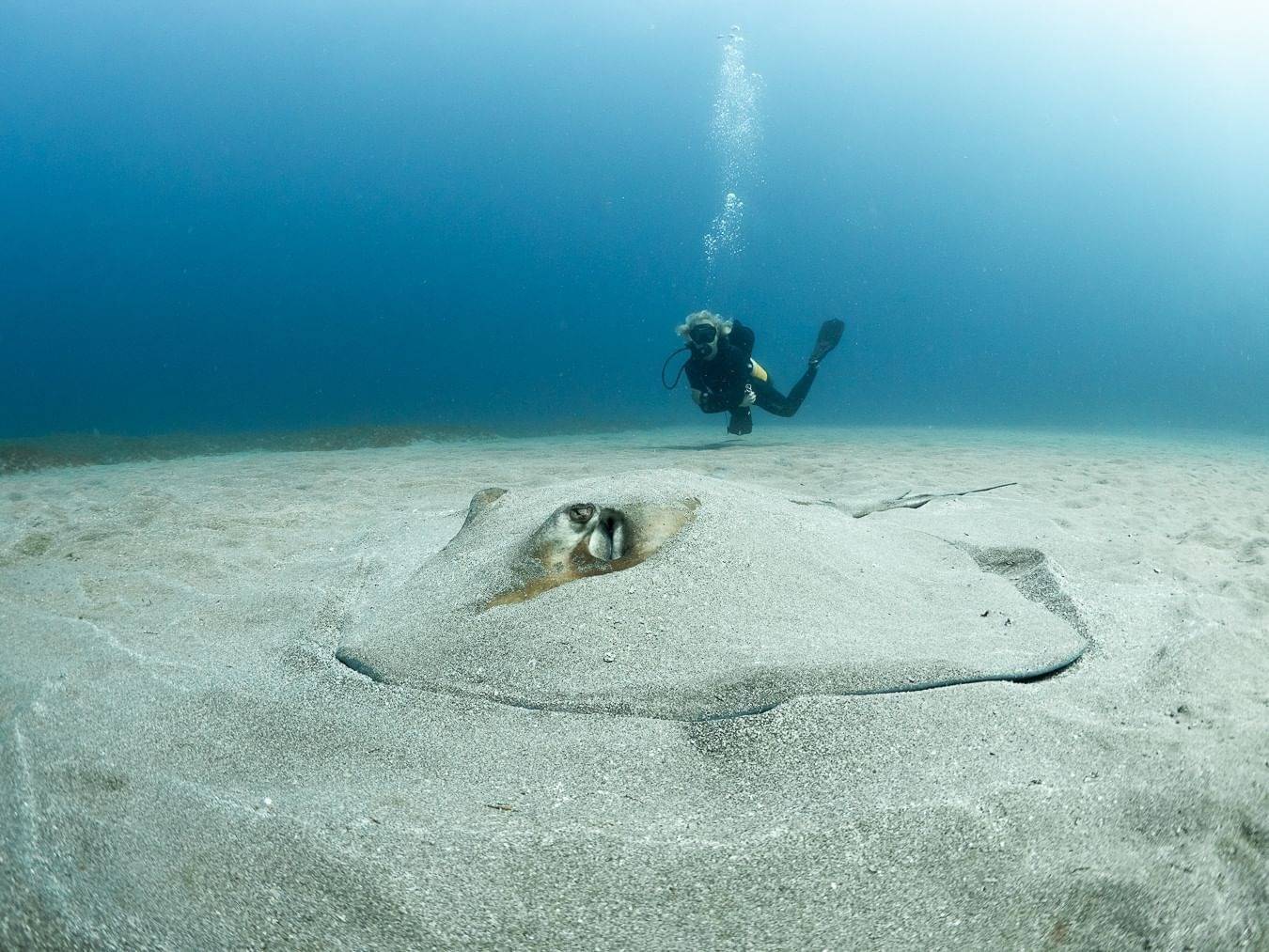
The reefs support plenty of classic Caribbean subjects, including angelfish, parrotfish, blue tangs, wrasses, grunts, snappers, damselfish, trumpetfish and other reef fish. Hawksbill turtles, southern stingrays and Caribbean reef sharks are among the larger subjects regularly reported by divers. Nurse sharks and spotted eagle rays are also possible, although individual sightings are never guaranteed.
For macro photographers, look closely around sponges, coral heads, cracks and wreck structures for nudibranchs, shrimp, crabs, flamingo tongue snails, gobies and other small reef inhabitants. Seahorses and other tiny subjects are possible, but should be considered a bonus rather than something you can count on finding every dive.
The volcanic nature of the island adds another dimension to wide-angle photography. Lava flows, boulders, ledges, walls and underwater pinnacles create natural foregrounds, while healthy coral growth and large barrel sponges give you plenty to work with when composing reef scenes.
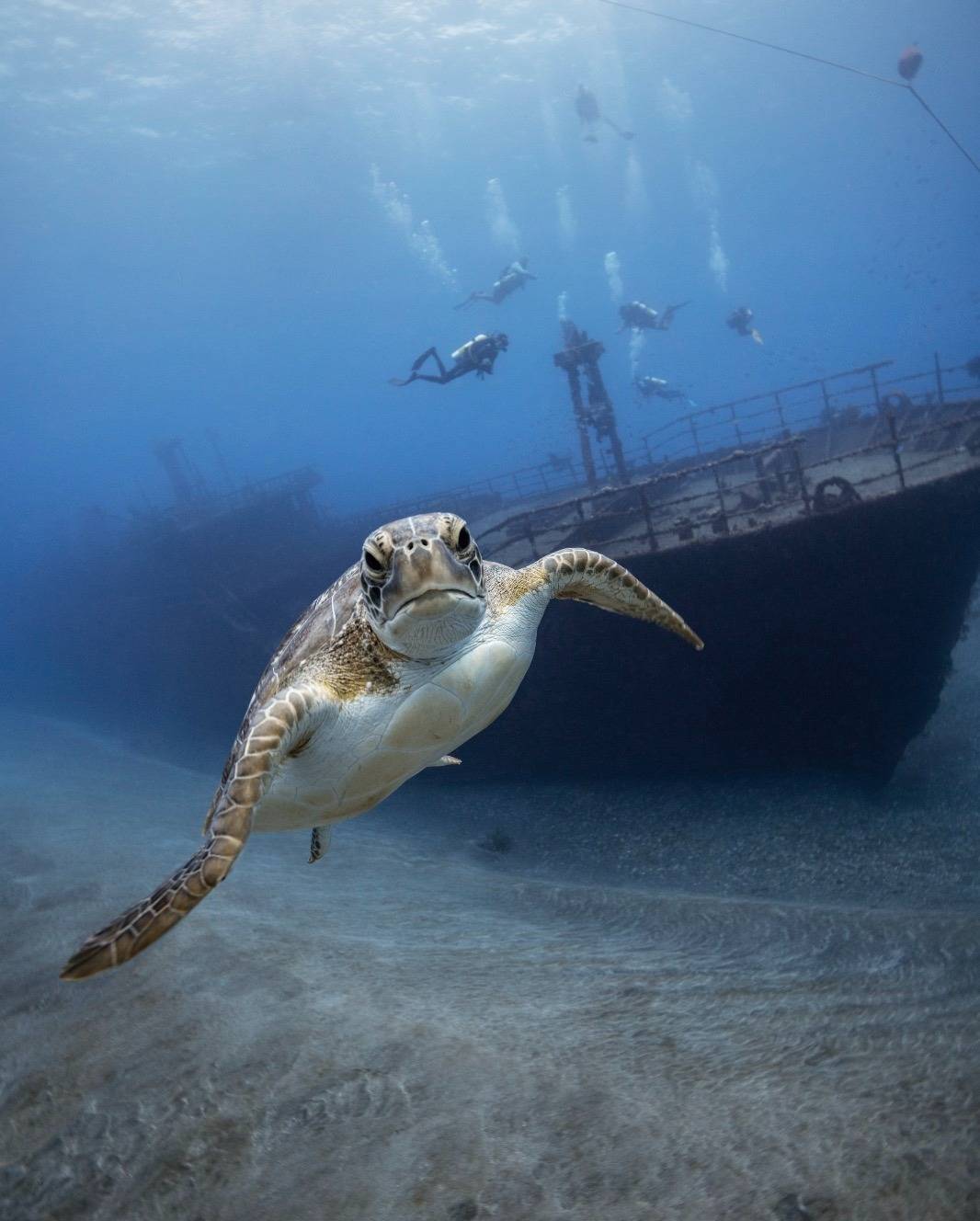
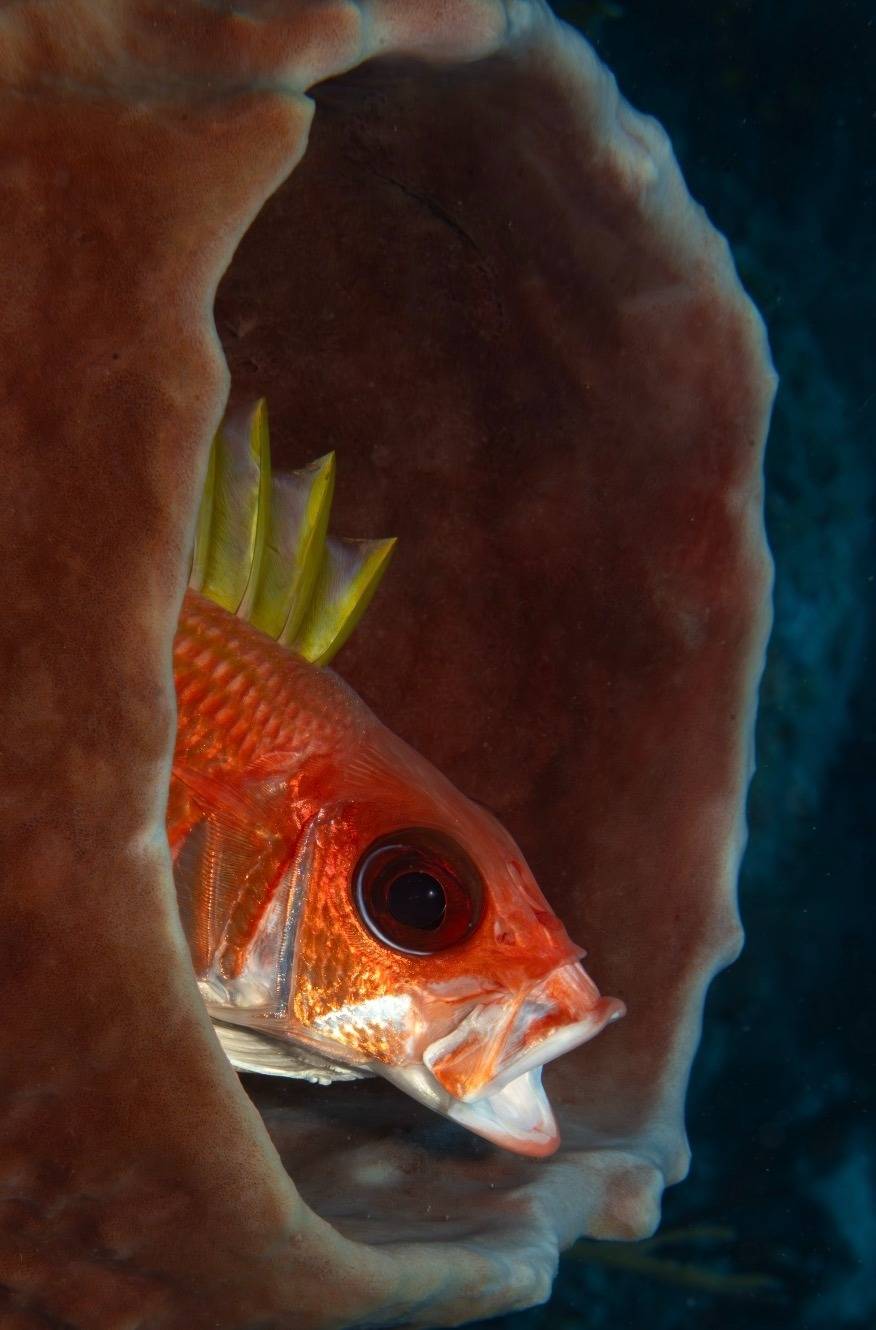
Image by William Drumm
Wide-Angle Photography
A wide-angle setup is probably the most versatile choice for a first trip.
The reefs and volcanic formations are excellent subjects for wide-angle photography, particularly when you can get close to the reef and use a diver, turtle or other animal to provide scale. A fisheye or rectilinear wide-angle lens can both work well, depending on the perspective you prefer.
For Nikon Z shooters, the NIKKOR Z 14-30mm f/4 S is a versatile rectilinear option, with a useful zoom range for everything from larger reef scenes and wrecks to tighter compositions. Its rectilinear design also keeps straight lines looking natural, making it a good choice for photographers who prefer a more conventional wide-angle perspective.
Wrecks offer another opportunity. The Charles L. Brown is a substantial wreck reaching around 100 feet, while smaller wrecks and historic underwater sites provide opportunities for both wider scenes and close-up compositions.
The biggest mistake with wide-angle underwater photography is usually shooting from too far away. Even in clear Caribbean water, every extra foot between the camera and your subject adds water between the lens and the subject. Get as close as your composition allows, keep your strobes out to the sides, and let the ambient blue water form the background.
For large reef scenes, a pair of powerful strobes is useful. The Sea & Sea YS-D3 Duo, which is available from Bluewater Photo, is designed for both wide-angle and macro photography. It has a Guide Number of 33 and fast recycle times, making it useful when photographing moving subjects or shooting a sequence of images.
Macro Photography
Don't leave your macro lens at home.
Although Statia is not generally considered a dedicated macro destination in the same category as Lembeh or Anilao, there is plenty to keep a patient photographer busy. Small crabs, shrimp, nudibranchs, gobies and other tiny animals can be found around the reefs and wrecks, particularly if you slow down and let your dive guide know that macro photography is a priority.
A macro lens also gives you another way to photograph common Caribbean fish. Instead of trying to capture the entire animal, look for interesting details such as eyes, teeth, fins, scales or unusual markings.
This is where a snoot can become useful.
A snoot narrows the beam from your strobe, allowing you to illuminate a small part of the subject while keeping the surrounding water or reef relatively dark. This can work particularly well with small fish, nudibranchs, shrimp and fish portraits.
The Marelux Apollo III 2.1 is a powerful option for photographers who want plenty of output for wide-angle reef, wreck and larger-animal photography. It delivers a Guide Number of 44, a 120-degree underwater beam that expands to 140 degrees with the included diffuser, and a 0.6-second full-power recycle time. For macro photographers, the Marelux SOFT Lite 2.0 can be added to a compatible strobe to produce a tightly controlled beam, with an adjustable spot from approximately 3 to 50 mm. It is particularly useful for isolating small subjects against a dark background and reducing unwanted backscatter.
Use the Blue Water to Your Advantage
Visibility around Statia can be very good, but it is not identical on every dive. Published figures are commonly around 65 to 100 feet, while firsthand reports show that conditions can vary considerably from one dive to the next.
Don't let that discourage you.
If visibility is excellent, shoot the larger reef scenes and take advantage of the blue water. If visibility drops, switch your approach. Move closer to your subject, use tighter compositions and concentrate on macro or fish portraits.
This is also a good reason not to rely exclusively on ambient light. Strobes restore the reds, oranges and other colors that disappear as light travels through water and allow you to control the appearance of your subject regardless of the background water color.
Photography Tips for Statia
Get close. This is the single most useful rule in underwater photography. If you think you are close enough, move a little closer.
Look underneath things. Small crabs, shrimp, gobies and other critters often stay underneath ledges, inside sponges or around the base of coral formations.
Talk to your guide before the dive. Tell them whether you are shooting wide-angle, macro or both. A photographer looking for a nudibranch needs a very different dive pace from someone trying to photograph a turtle.
Carry both wide-angle and macro if possible. Statia has enough variety that you may regret committing your entire trip to one lens.
Use your strobes carefully. Position them well away from the housing and angle them slightly outward to reduce the amount of light illuminating particles between the camera and subject. Read our guide to strobe positioning for macro photography.
Don't chase animals. Wait for the subject to come to you or position yourself where it is likely to pass. This is particularly important with turtles and larger animals.
Use a diver for scale. Volcanic walls, wrecks, large sponges and reef formations can be difficult to communicate in a photograph without something familiar in the frame.
Try a night dive. Artificial light can completely change the look of familiar subjects, and nocturnal macro life can provide some of the most interesting opportunities for a photographer.
Diving Conditions for Photographers
Water temperatures are generally warm year-round, around 26–29°C (79–84°F), although individual sources give slightly different ranges depending on the season and reporting period. Visibility is commonly good, with 65–100 feet often reported, but it can vary with conditions and location.
Most dive sites are relatively close to shore, with boat rides of approximately 5–20 minutes for most sites. That is useful for photographers because less time is spent travelling between sites and more time can be spent underwater.
Where to Stay
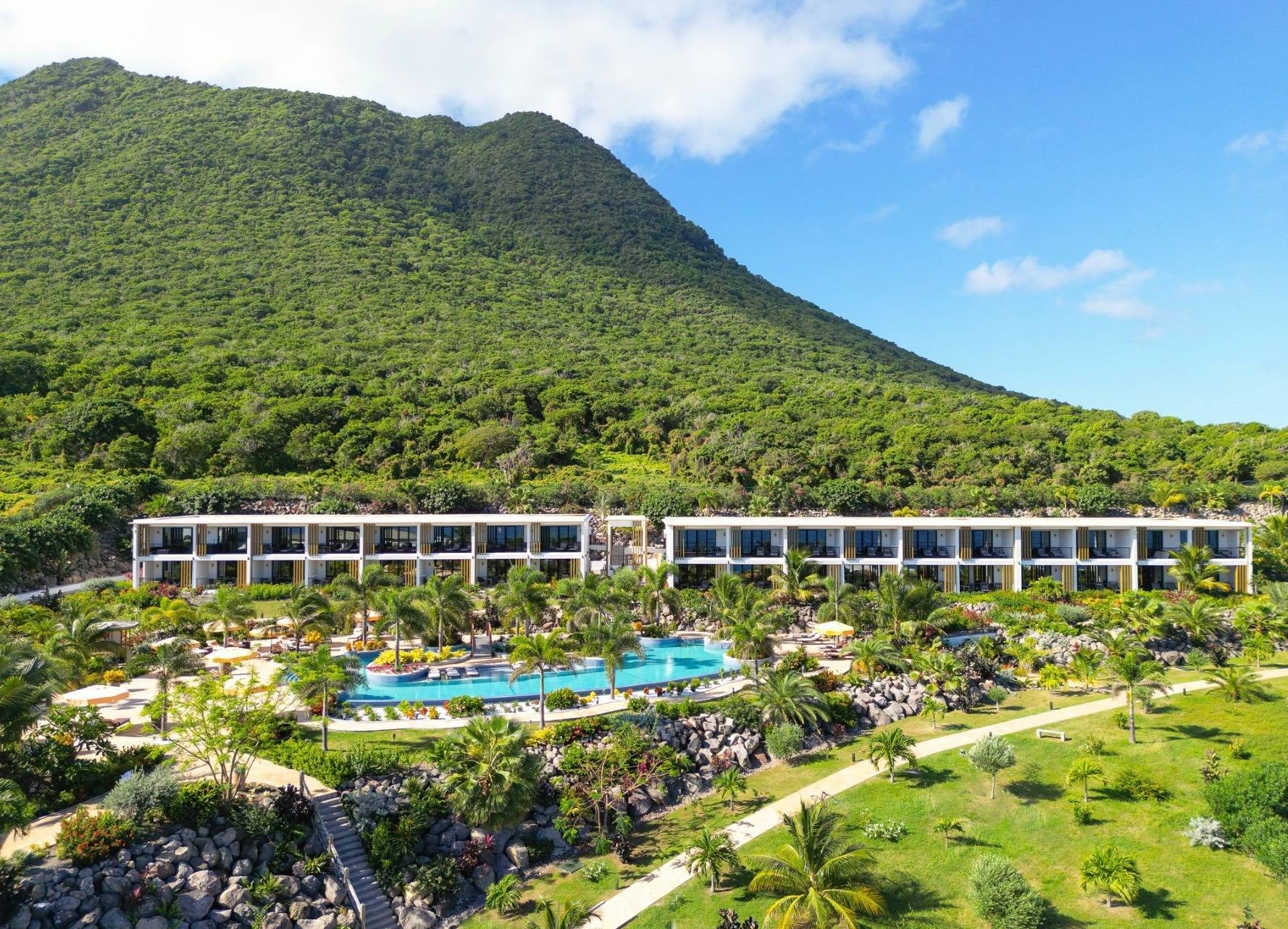
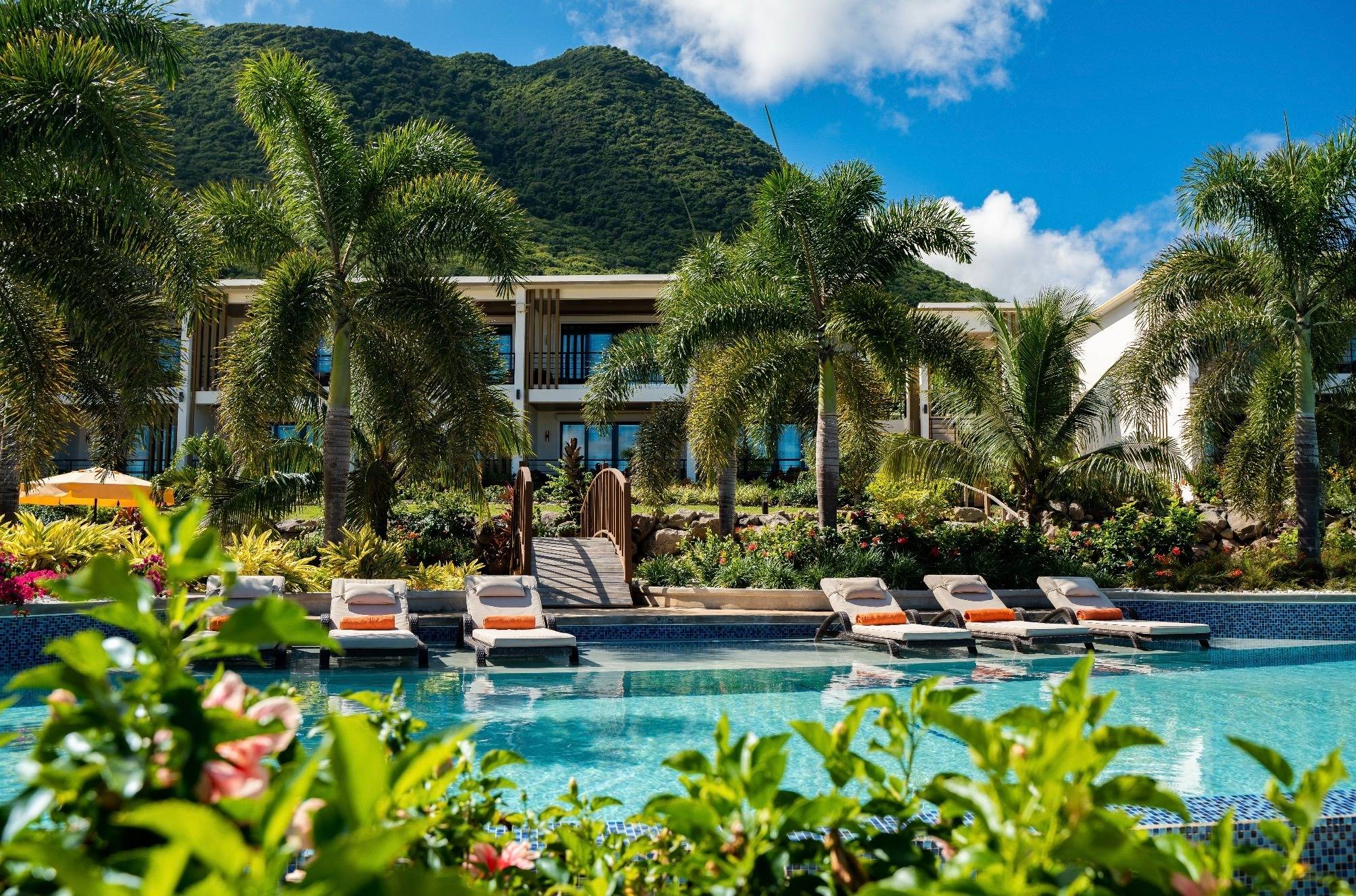
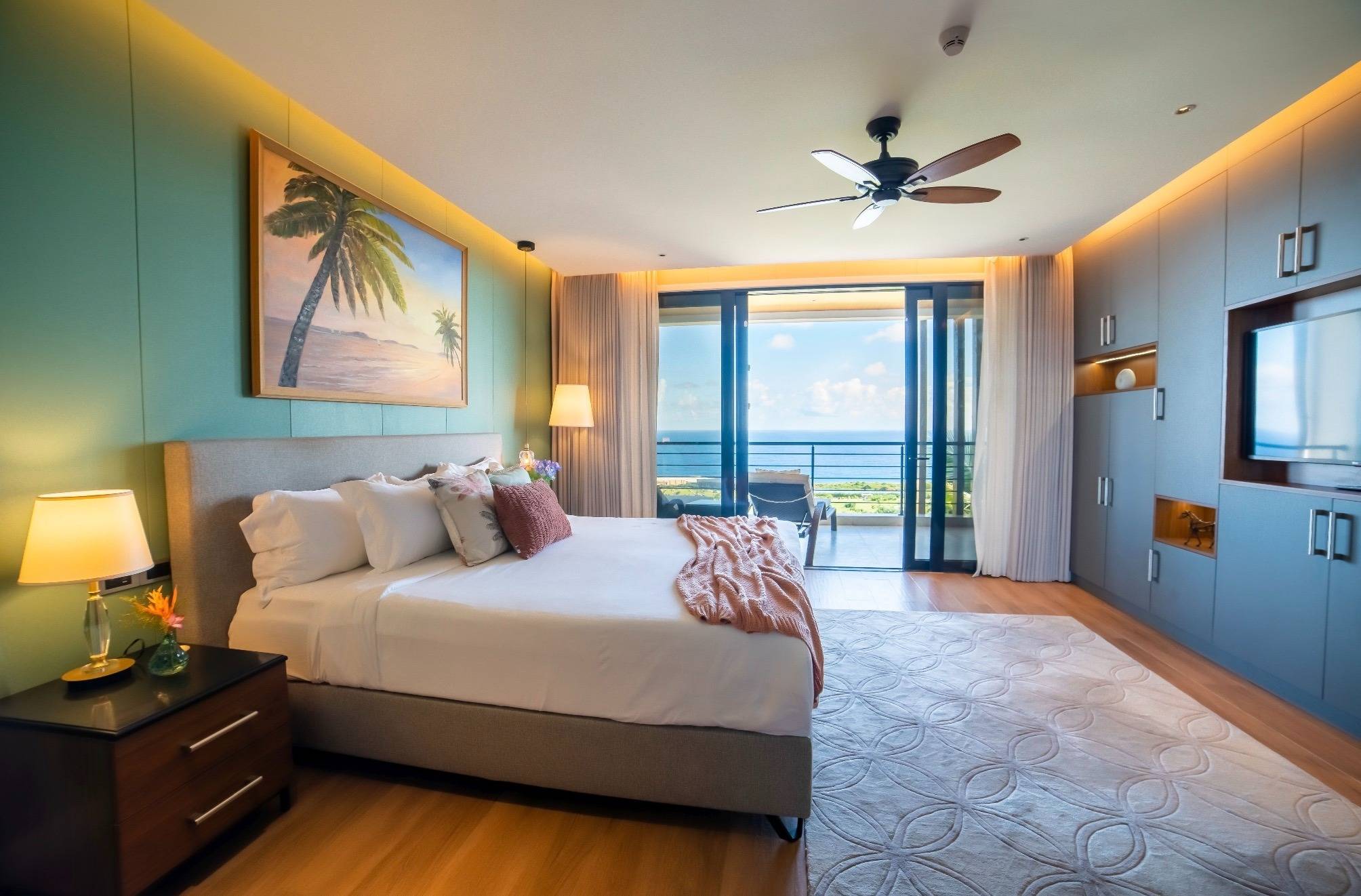
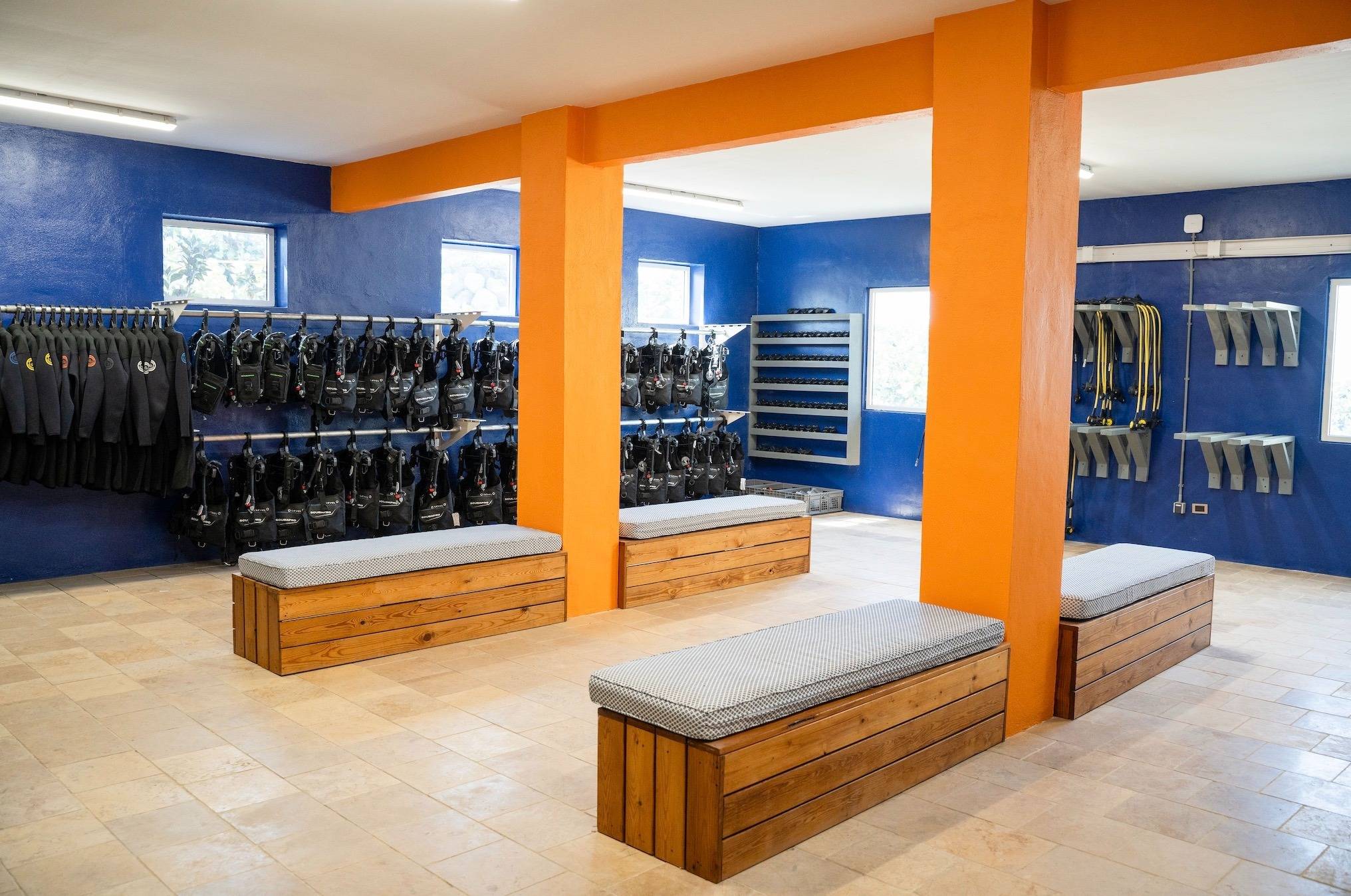
For photographers who want to make diving the focus of their trip, Golden Rock Dive & Nature Resort makes for an excellent base. The resort combines accommodation, dining and nature-focused amenities with an on-site dive operation, and Statia Divers has a dedicated camera room for photographers and videographers. Golden Rock has also been awarded a Michelin Key, recognizing it as one of the standout hotels in the Michelin Guide's selection. Certified Nitrox divers can also receive complimentary Nitrox, subject to the operator's current terms.
The resort sits in lush grounds overlooking the Caribbean and offers two pools, a spa and easy access to the island's diving. Its dive operation runs boat trips to the protected waters around Statia, with sites ranging from reefs and volcanic formations to historic wrecks.
Final Thoughts
Statia is an interesting destination for underwater photographers precisely because it doesn't force you to choose between macro and wide-angle photography. One dive can give you a volcanic reef scene or turtle, while the next can involve searching a sponge or wreck for a tiny shrimp or nudibranch.
Bring a versatile setup, listen to your dive guide, slow down and be prepared to change your photographic approach when conditions change. The result can be a much more varied Caribbean portfolio than you might expect from such a small island.