Sony A7R VI Underwater Review
Posted by Nirupam Nigam on July 13th, 2026
Sony A7R VI Underwater Review: High Resolution in Truk Lagoon
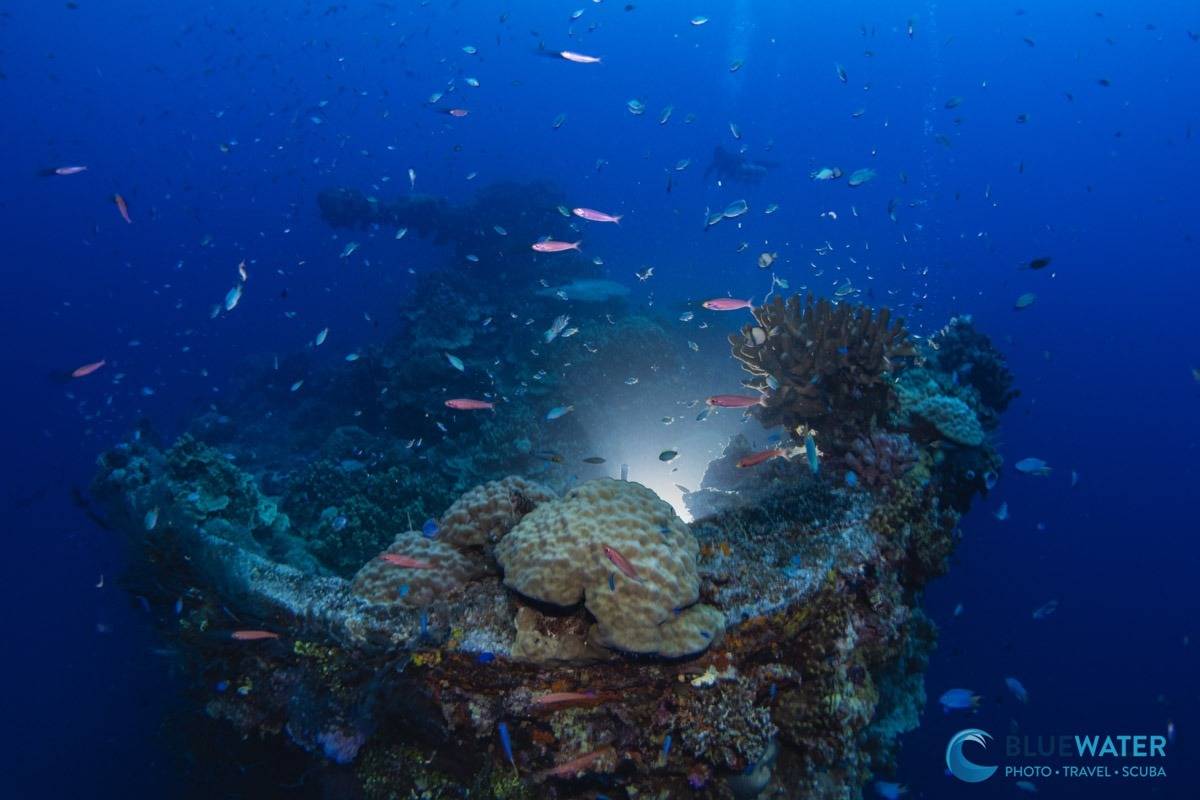
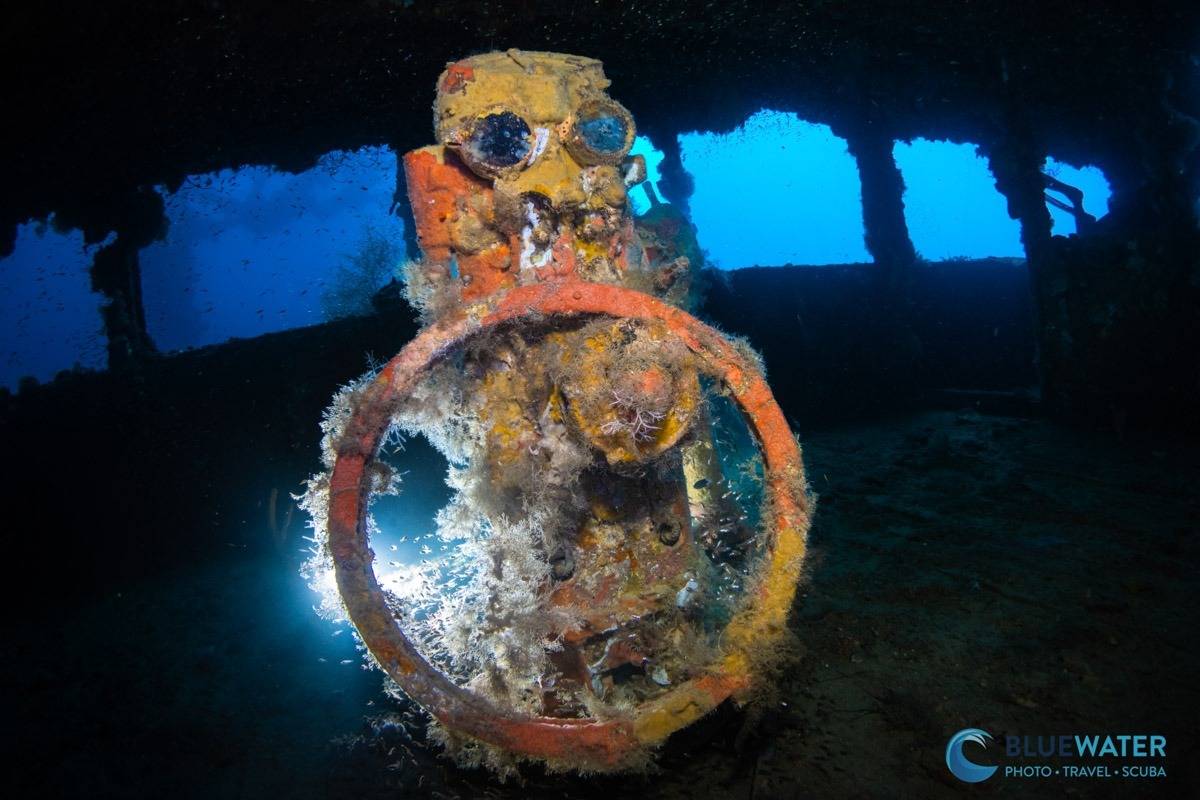
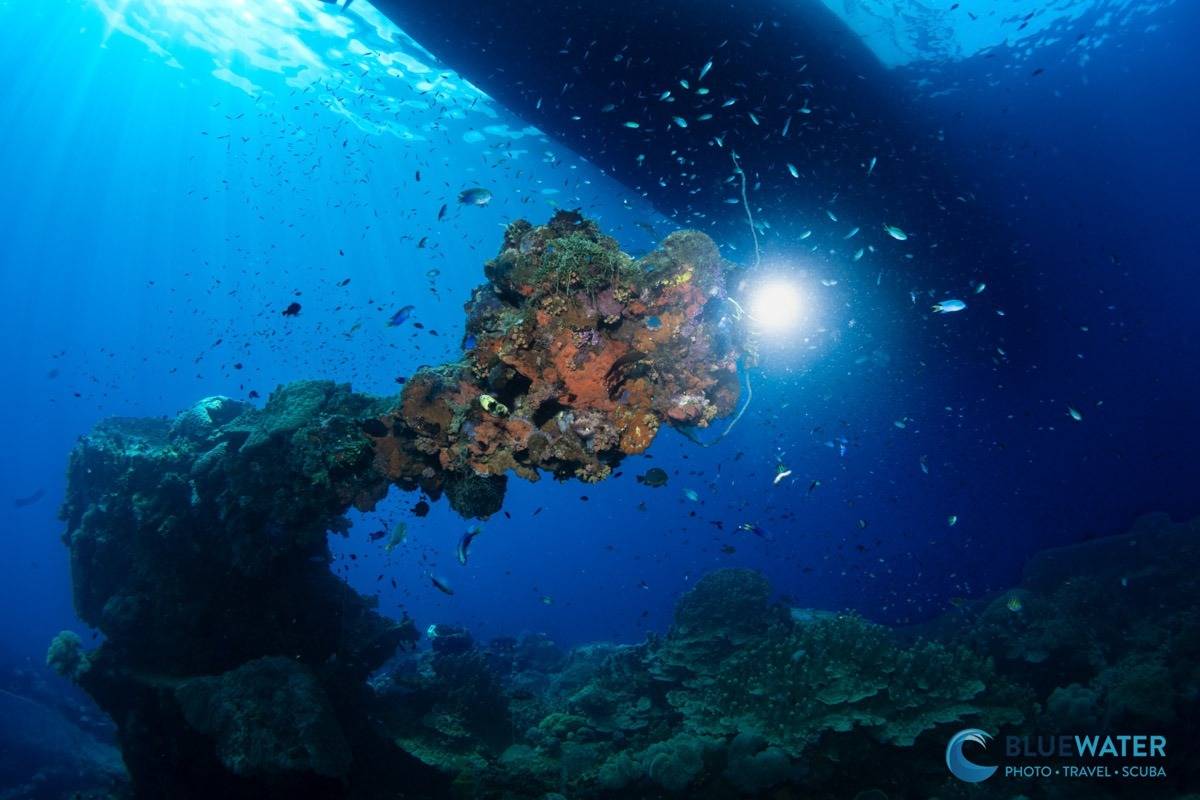
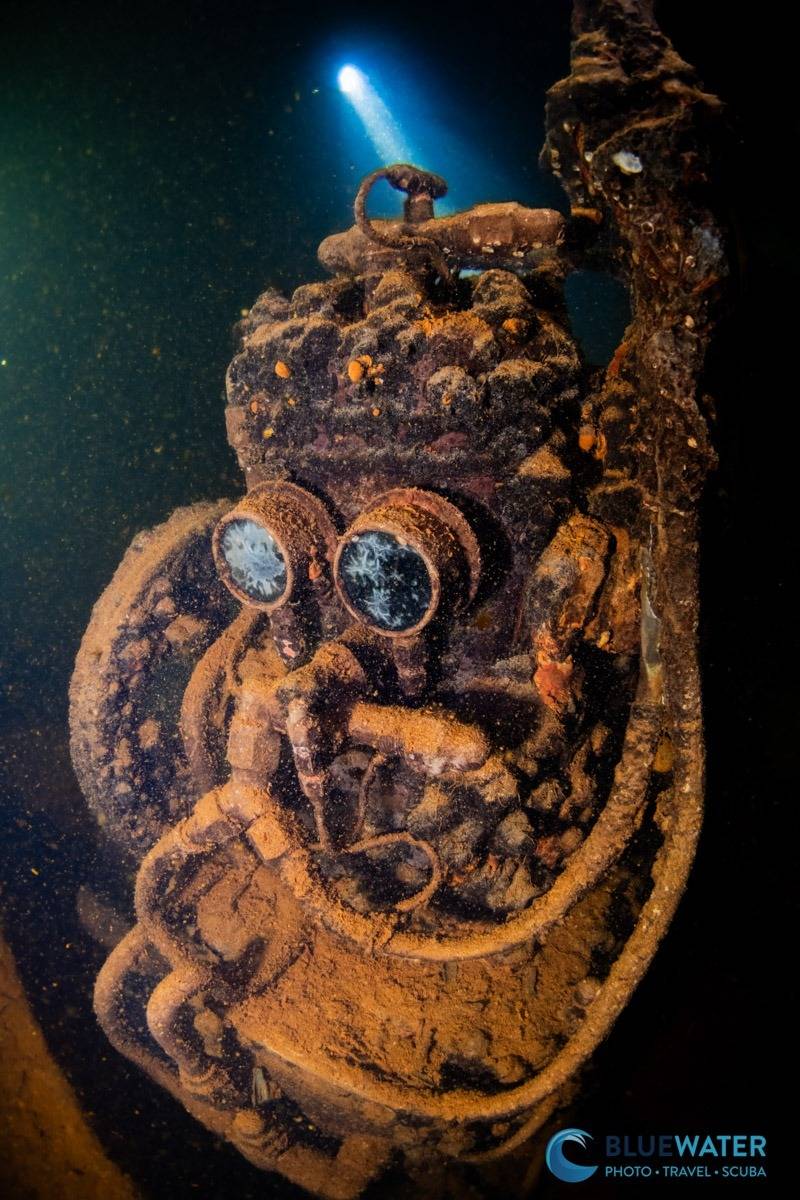
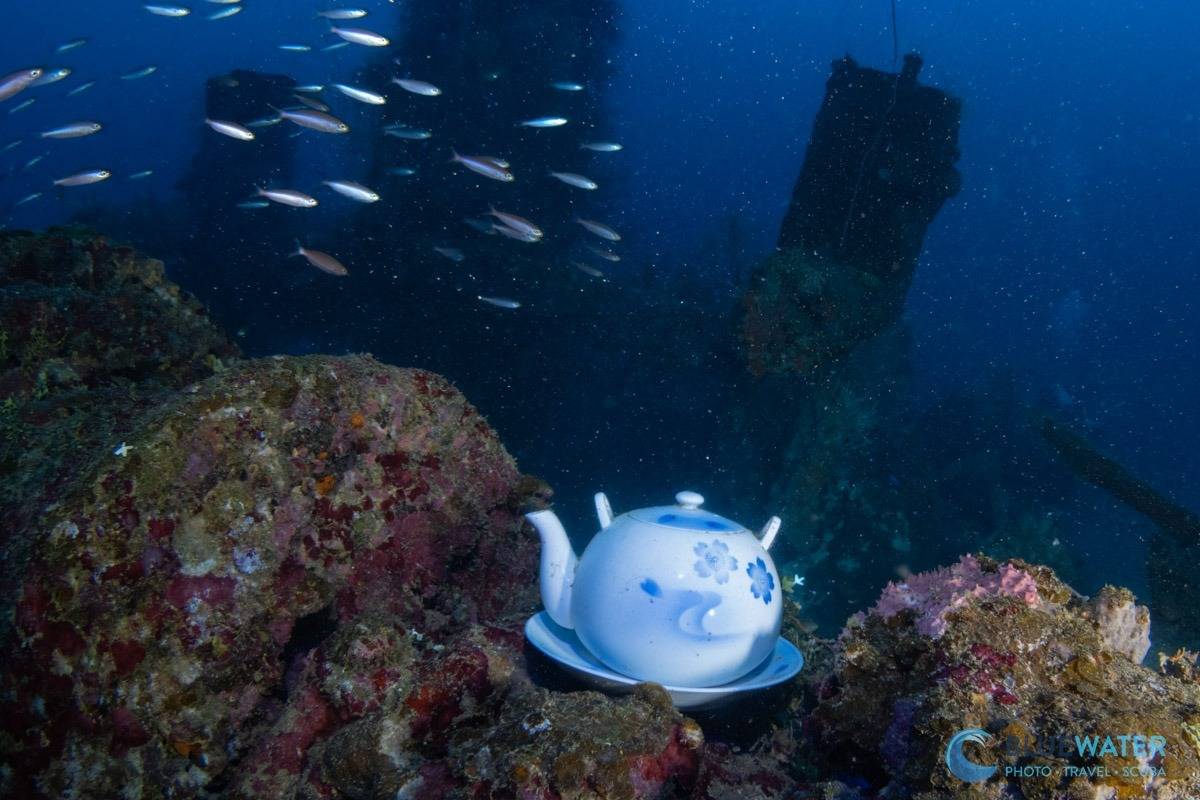
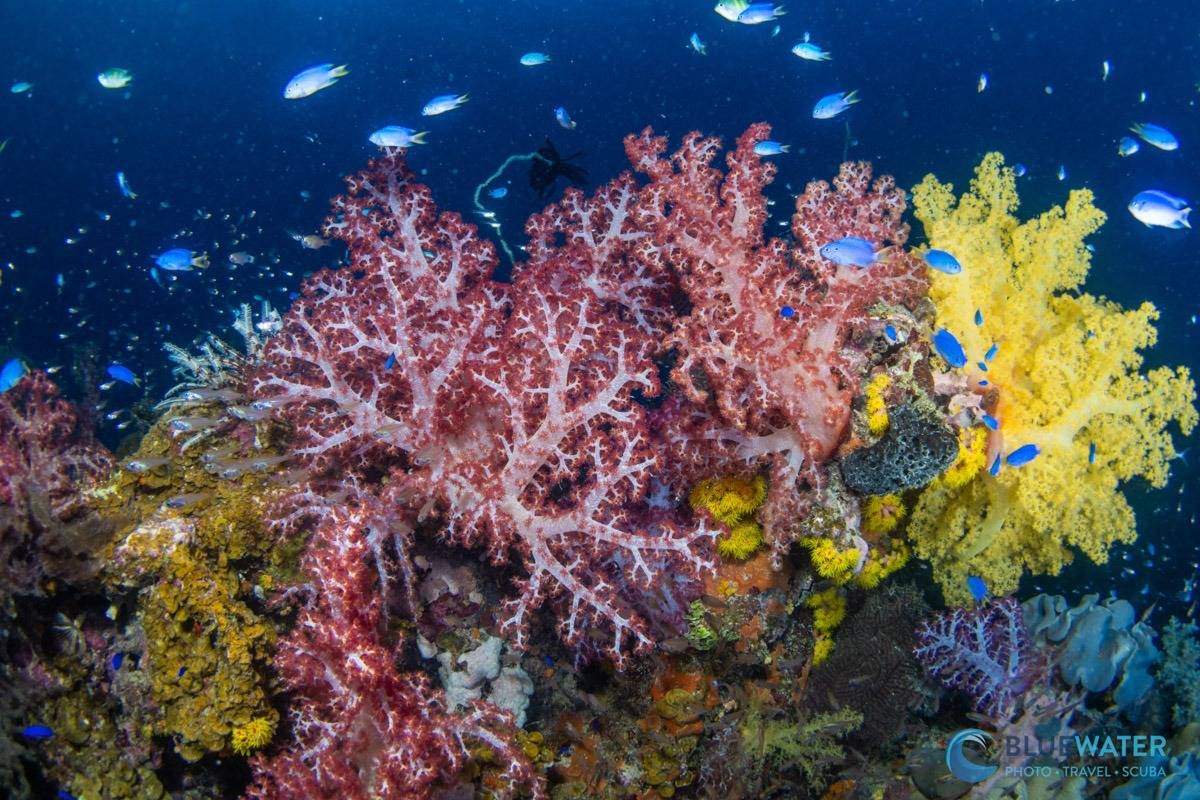
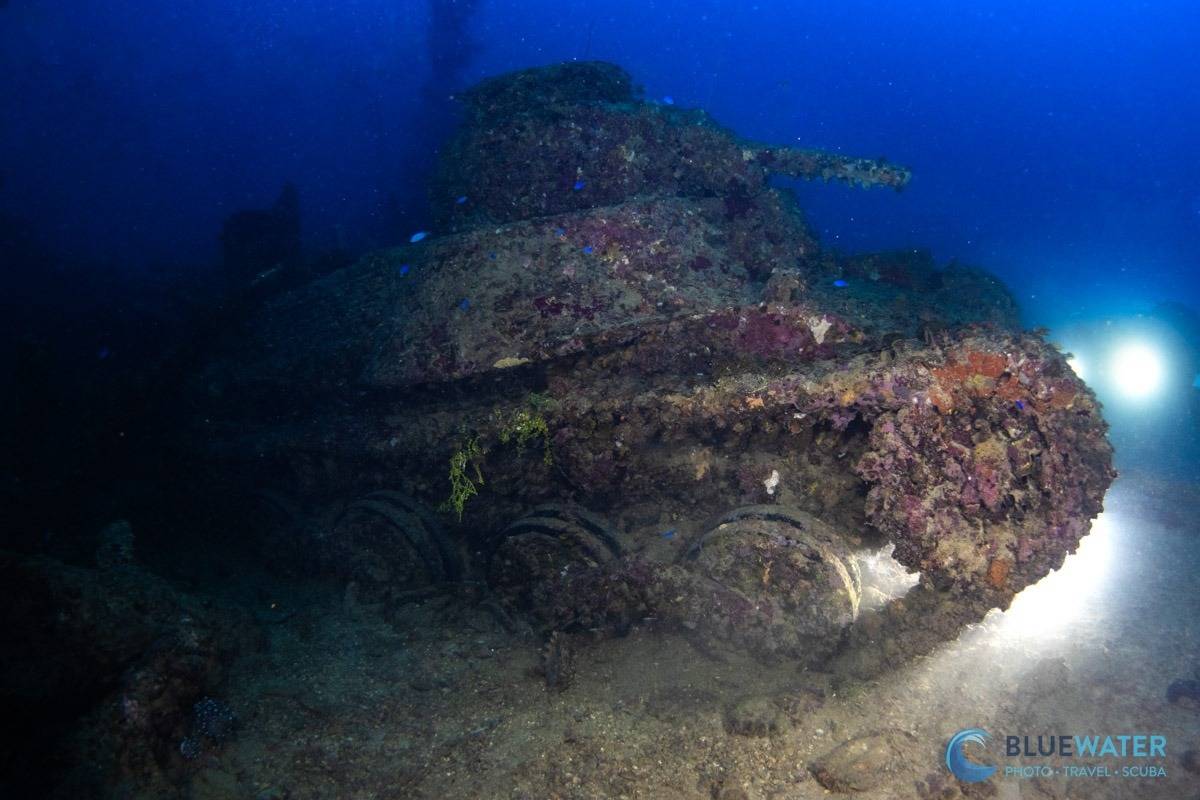
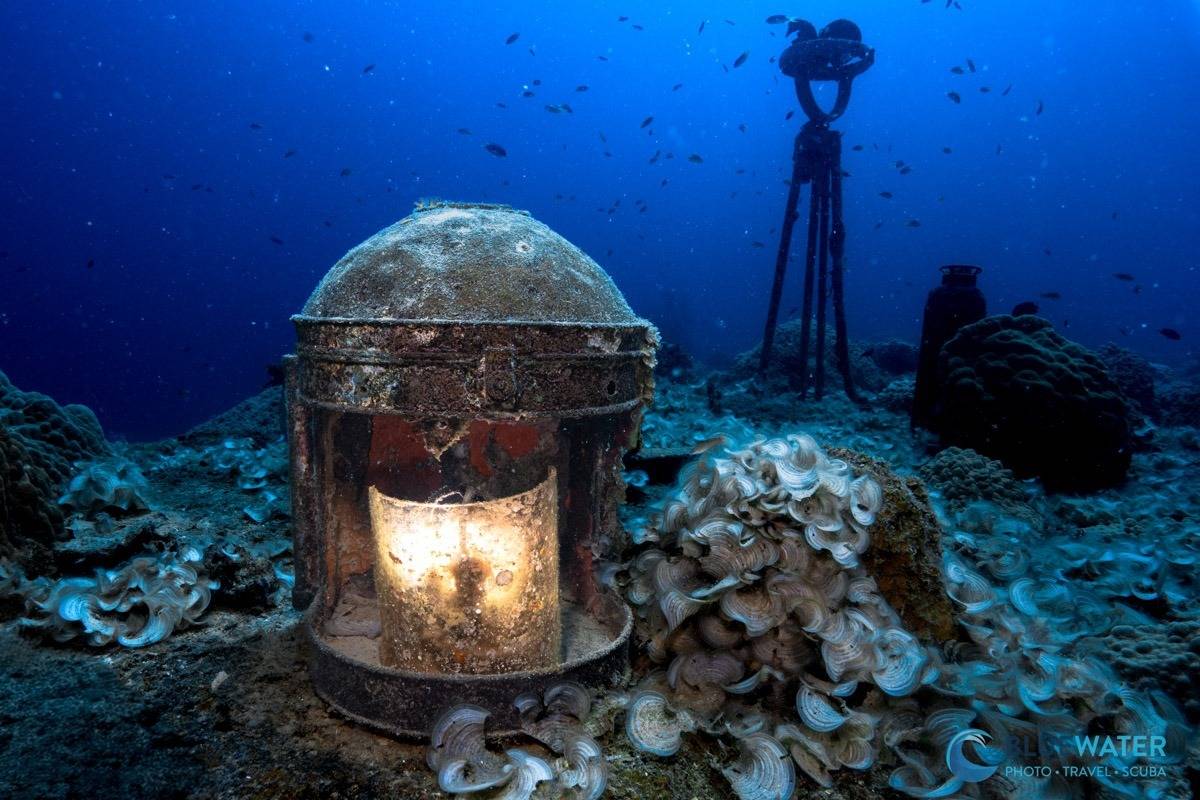
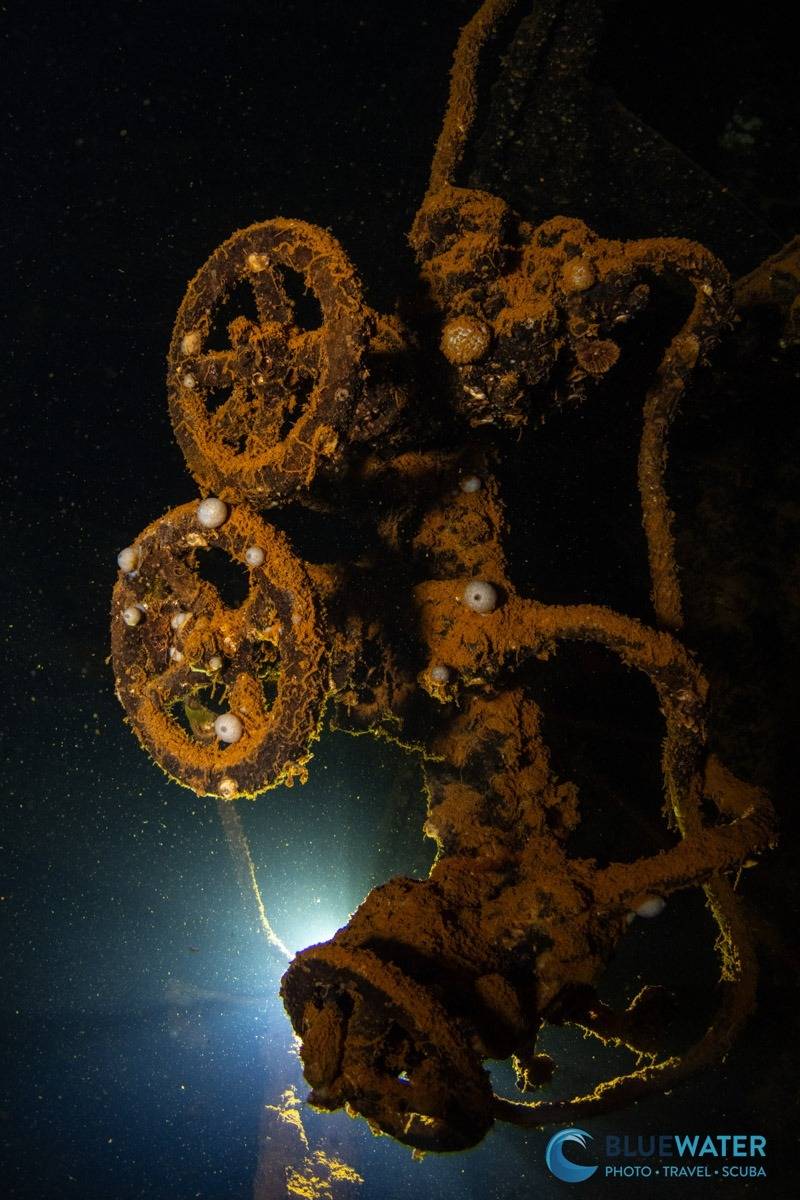
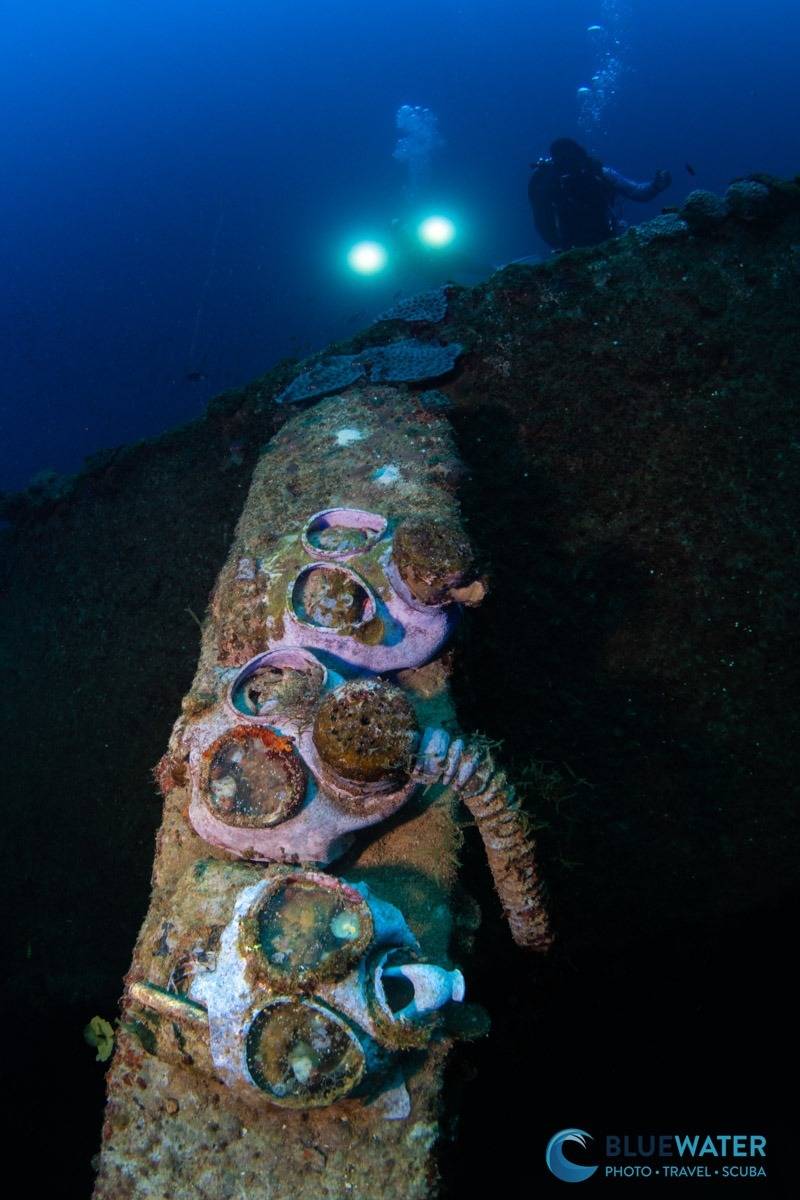
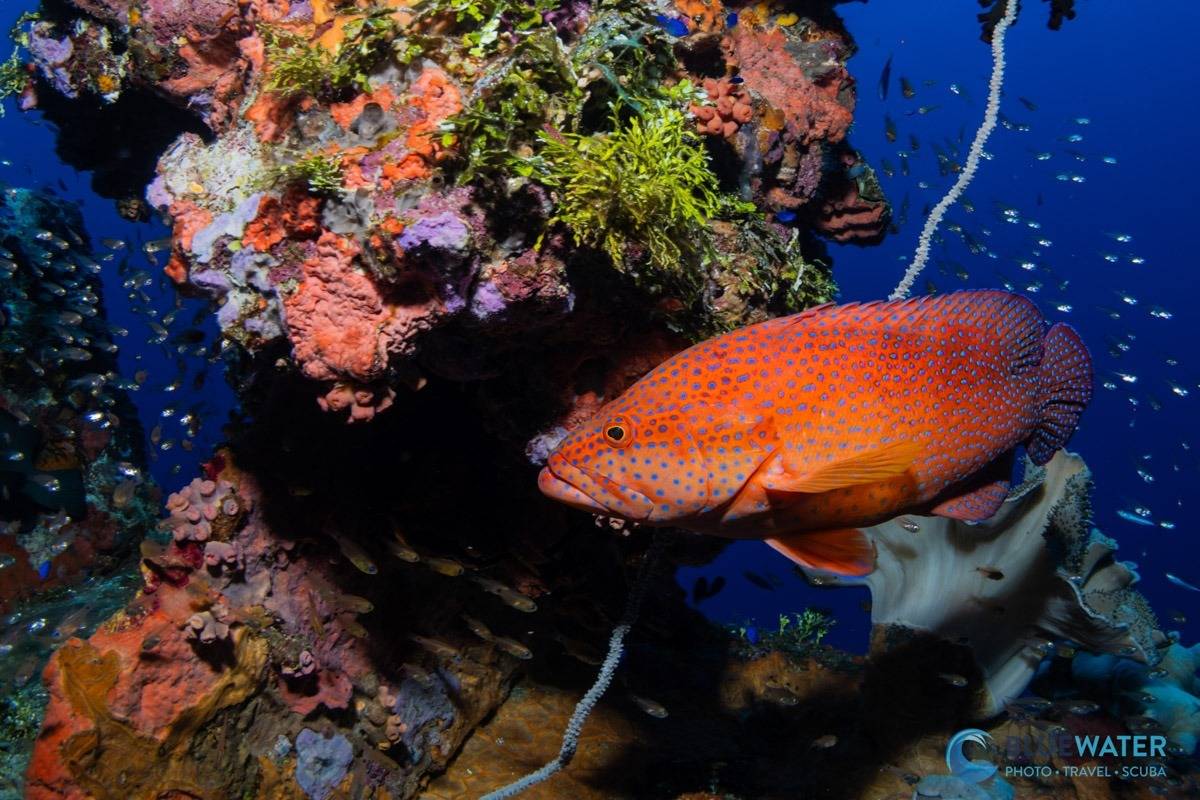
Truk or Chuuk, Micronesia is a remote Pacific coral atoll and the site of Operation Hailstone, a massive bombing raid that resulted in the destruction of hundreds of Japanese ships and planes in February, 1944. These same wrecks are modern reminders of humanity's predilection towards destruction, while nature has been quick to reclaim them. Colorful corals and reef fish adorn the metallic wreckage, creating a haunting beauty that is difficult to capture with any camera.
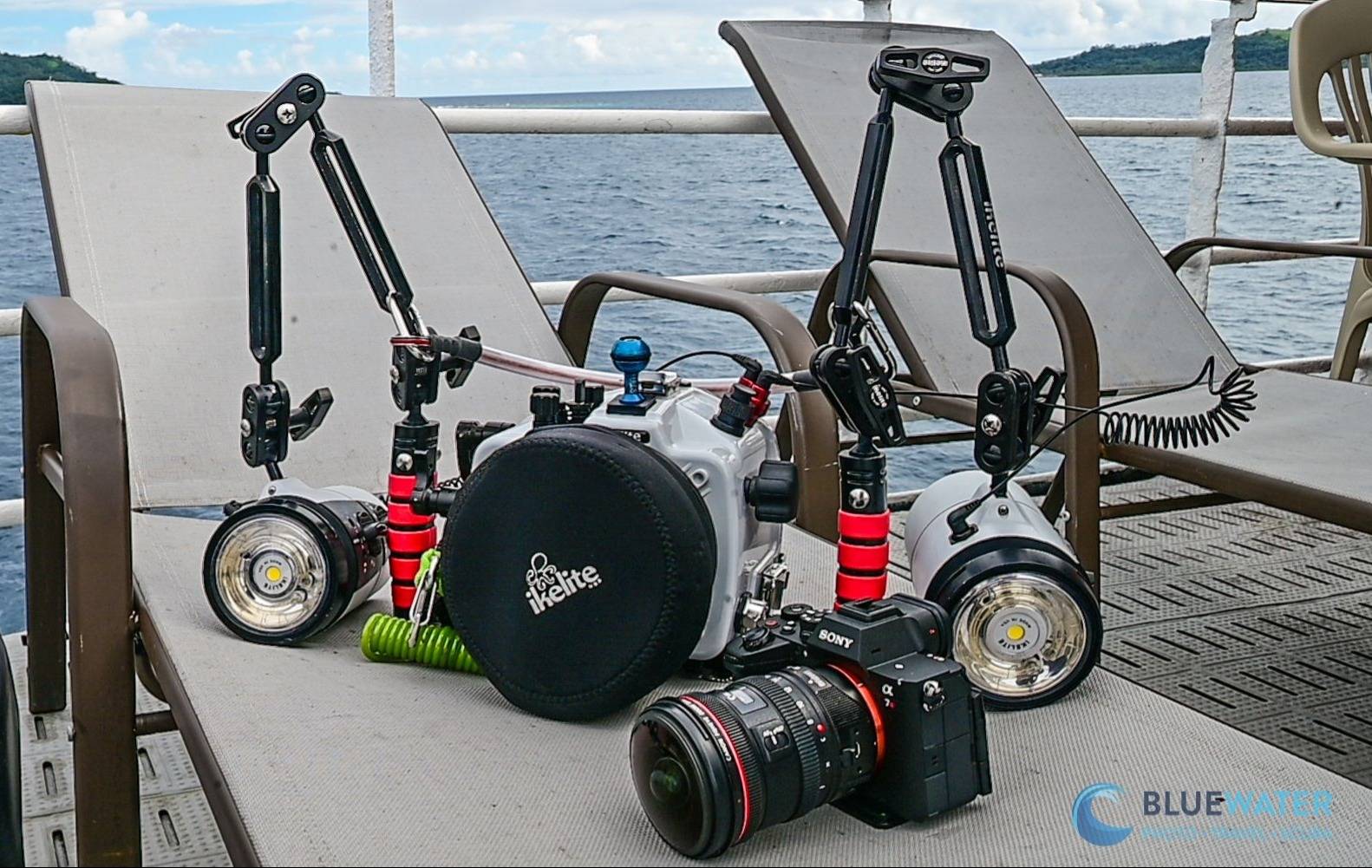
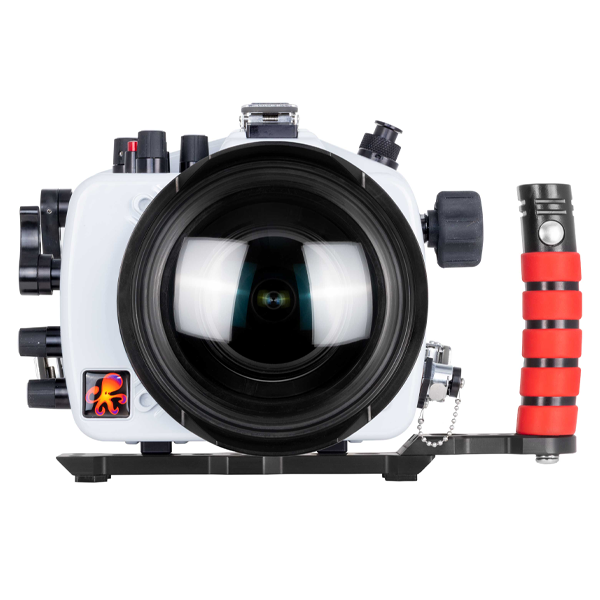
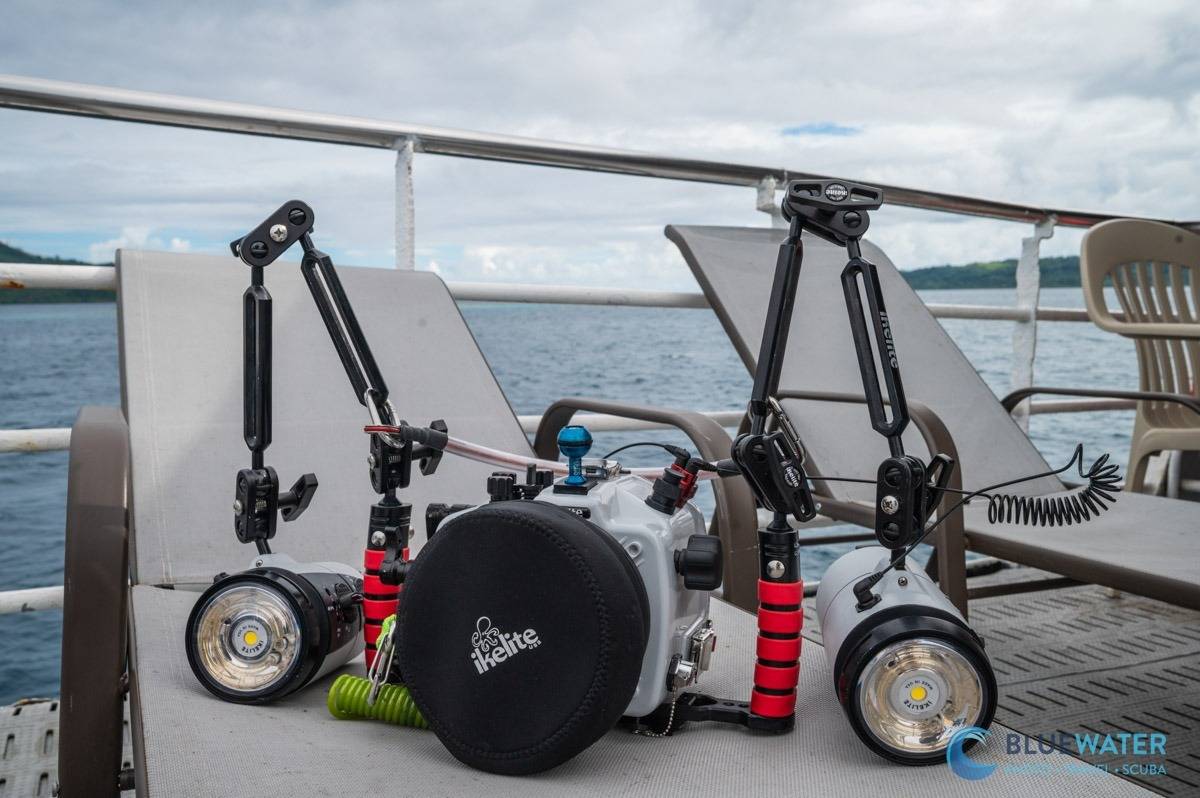
Fortunately, two days before I left for my Bluewater Travel underwater photoworkshop, Ikelite overnighted me their newest model of the A7R VI housing straight from the factory. The new A7R VI features a new 67 megapixel stacked sensor capable of 8K/30p and 4K/120p video. Through a bit of Sony magic, the camera performs better in low light than previous models in the A7R (resolution) line-up. This had historically been a pain point for me in the R line of cameras, and after a week of wreck penetration in depths of up to 165 ft, it was clear that the A7R VI is a feat of engineering. My images have been clear, sharp, and resolute. They tell the grim story of that fateful day in World War II. And for once, it might be the camera, not the photographer.
Jump to Section



Key Sony A7R VI Specifications
- 66.8 megapixel full-frame stacked Exmor RS backside-illuminated CMOS sensor
- 759 phase-detection AF points with autofocus to -6 EV
- Animal eye autofocus tracking
- E-mount lens mount
- BIONZ XR2 processor
- 8K/30p video recording and 4K/120p video recording
- 16 bit RAW output via full-size HDMI
- Dual Gain ISO in 4K/30p and below
- 5-axis IBIS with up to 8.5 stops of correction
- Improved roll-direction IBIS compensation
- Dynamic active stabilization
- Improved AI auto white balance with visible light
- 10fps mechanical shutter shooting
- 1/250 sec flash sync speed (1/320 APS-C flash sync)
- 9.44M dot OLED EVF
- Dual CFexpress Type A/ UHS-II SD card slots
- Battery life: 600 shots EVF/710 shots LCD
- Video battery life: 135-140 minutes of recording
- Dimensions: 136.1mm x 96.9mm x 82.5mm
- Weight with battery: 1 lb 6.0 oz
Key Sony A7R VI Key Features
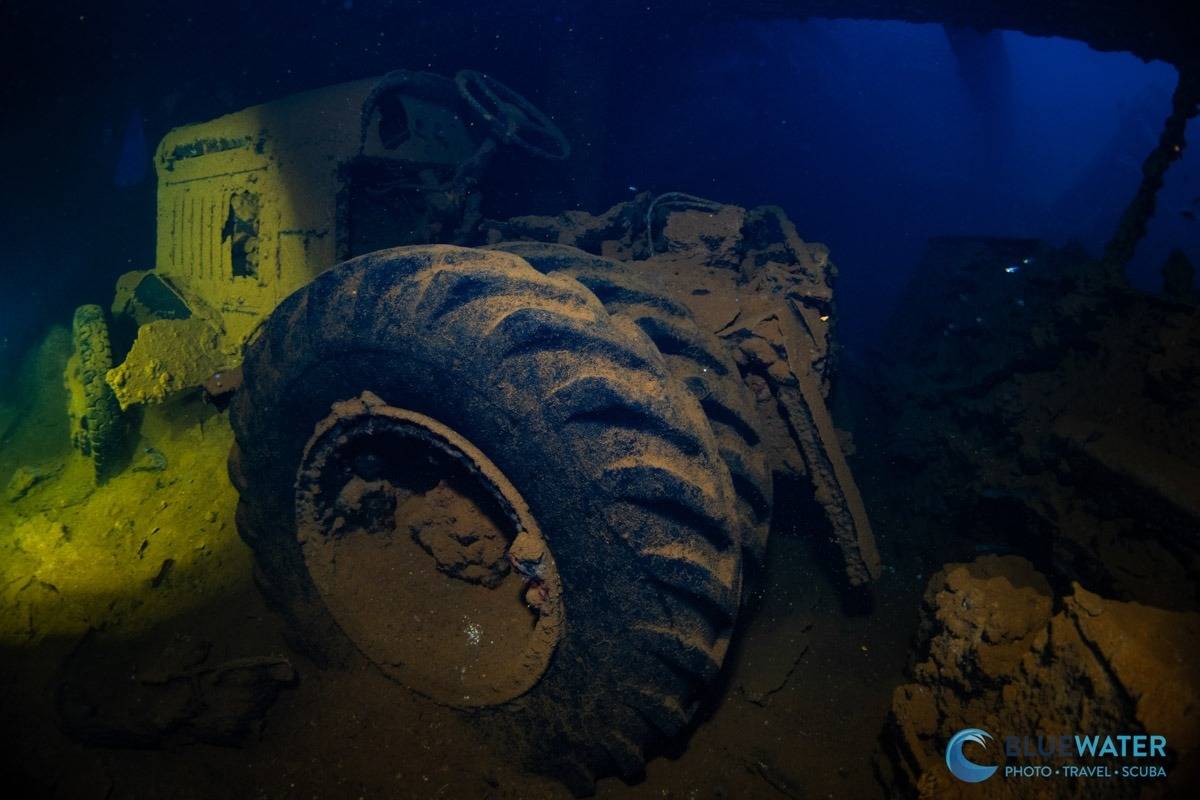
Even MORE Resolution
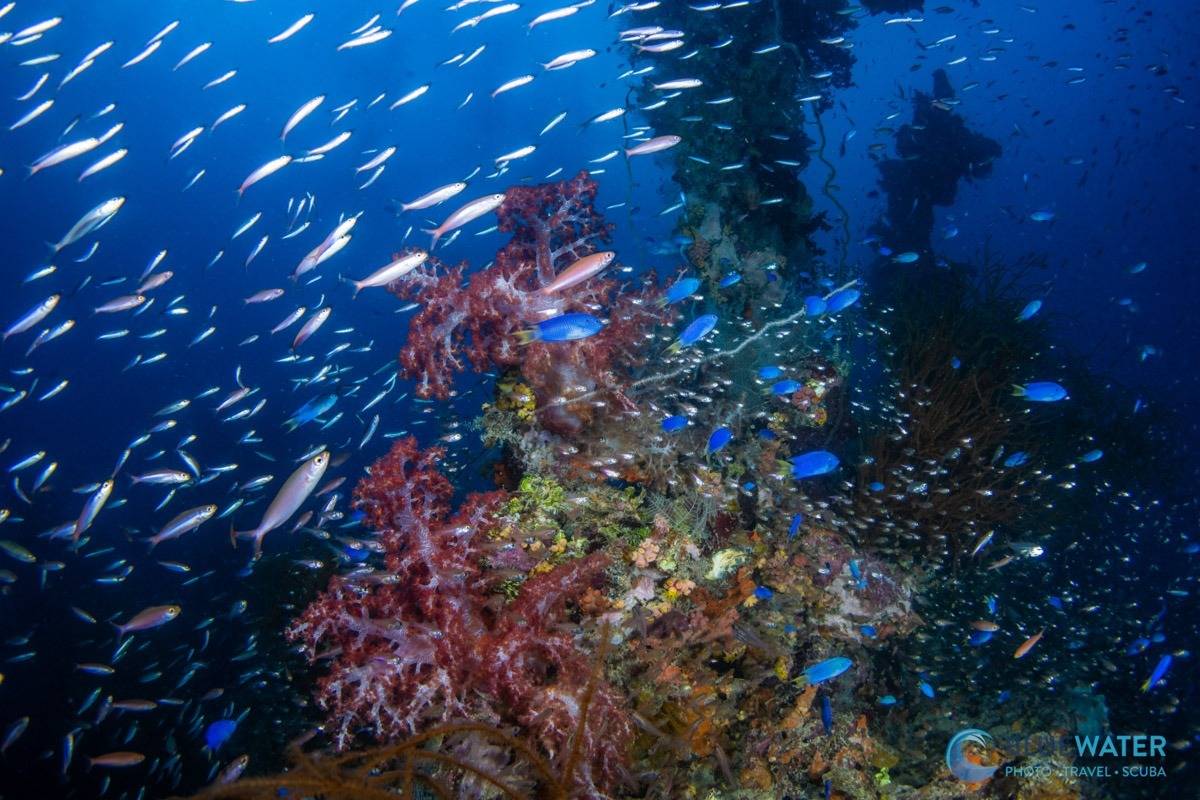
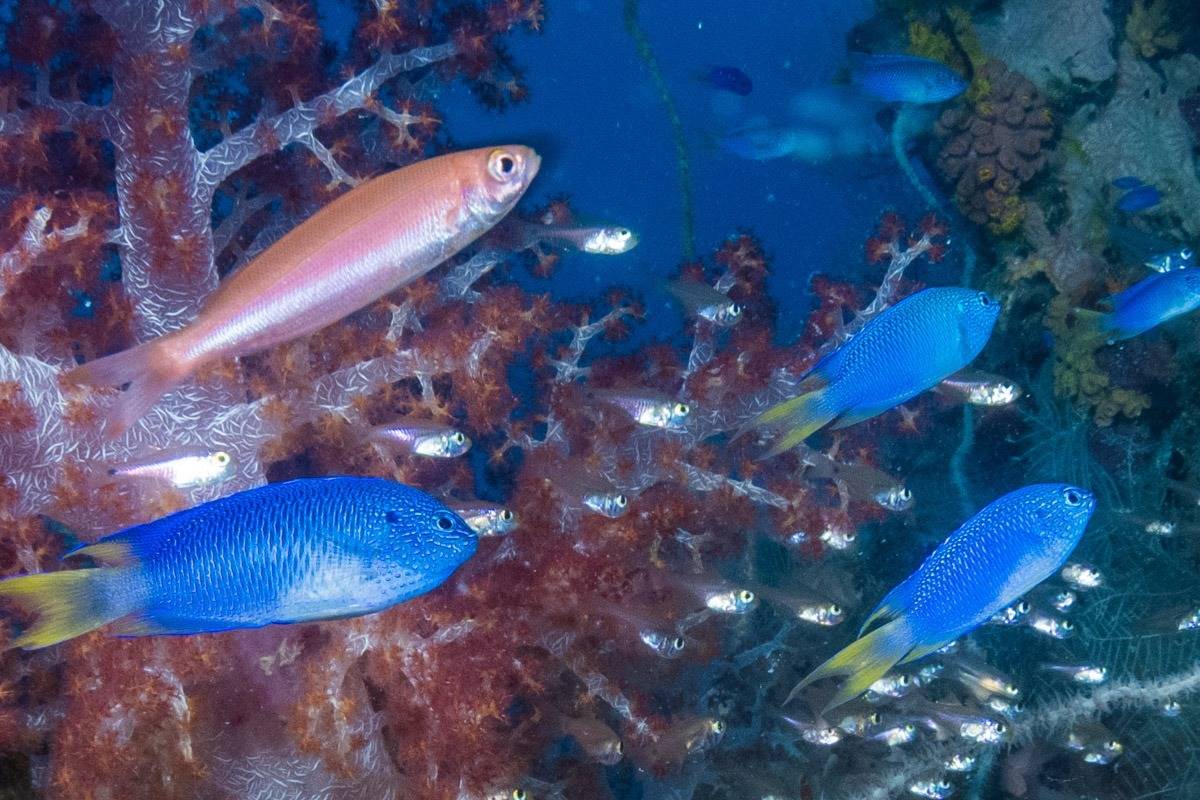
Better Lowlight Performance at Mid Range ISOs and 16 Stops of Dynamic Range
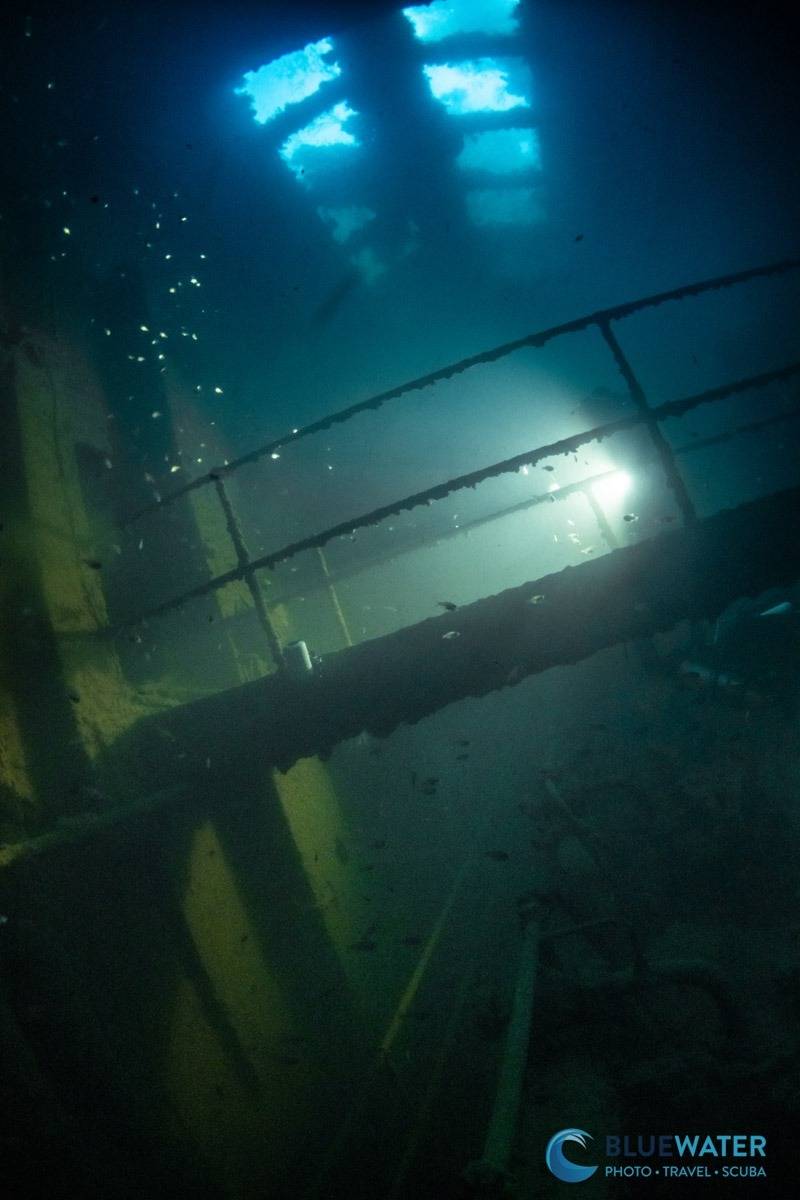
Improved Stabilization
Even more importantly, the stabilization on the A7R VI is excellent for hand held underwater video and was a huge benefit when filming all the life on the wrecks of Truk.
Build and Ergonomics
The camera is made of a solid magnesium alloy and feels pretty good in the hands. A dedicated switch makes it easy to switch between photos and videos. The body has four customizable buttons that make it easy to assign functions that suit your work flow. And most importantly - the menu system is Sony's newer menu system which is much easier to navigate than past cameras like the A7R IV. Fortuantely, we've put together an underwater settings guide for the Sony a7R VI that can help you get through all of these settings based on our camera testing in Truk.
Battery Life
8K/30p and 4K/120p Video
Overall, I was much more impressed with the video capability of the A7R VI than I thought I was going to be. The files are clean at higher ISOs and the footage is crisp and clear. The A7R VI includes all the of the Log profiles included in other Sony cameras that allow for color grading and more flexible post processing. I filmed much of my video footage in S-Log3.
Improved "AI" White Balance
Sony A7R VI Underwater Housings
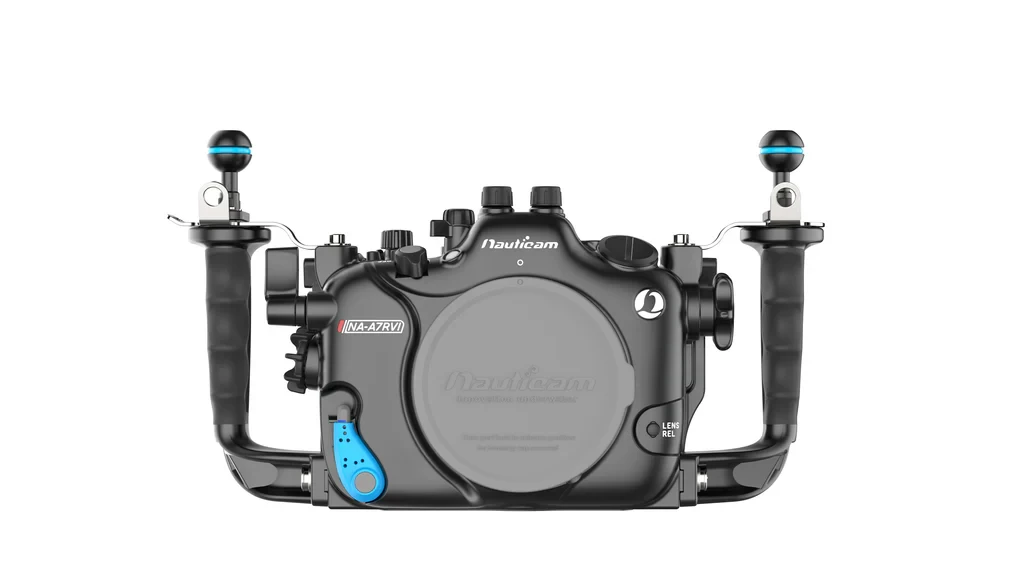
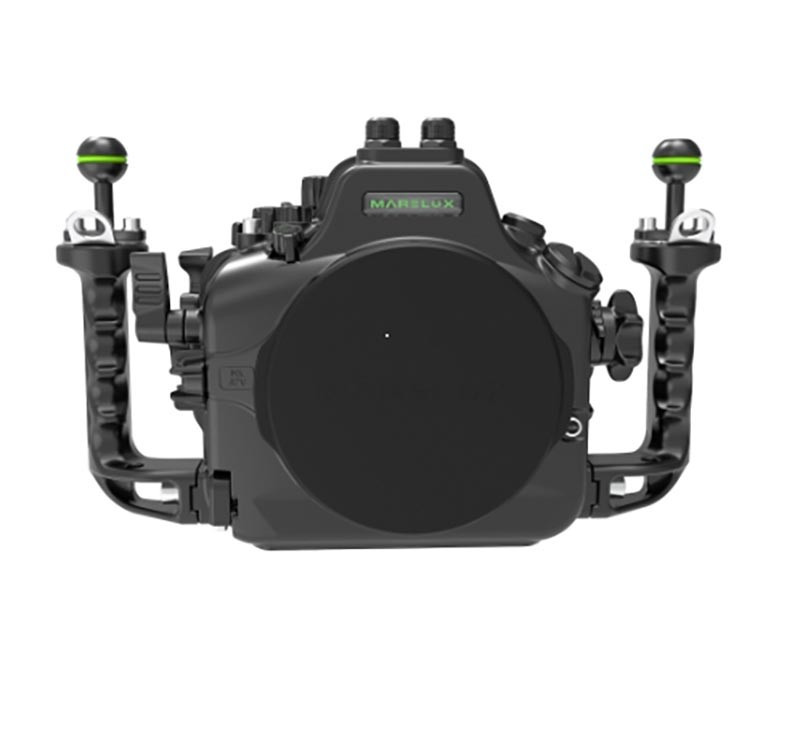
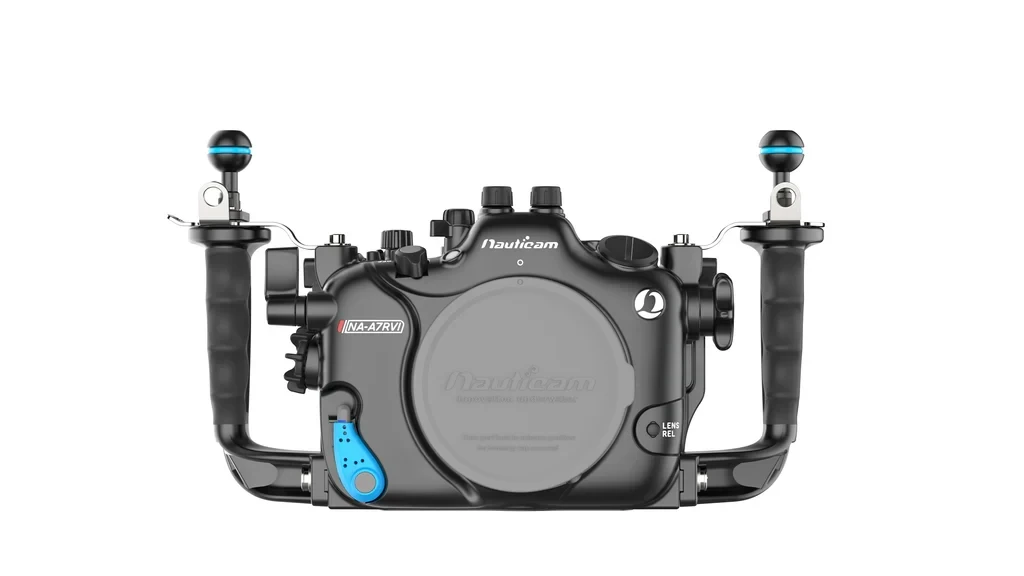
Marelux and Nauticam also make excellent anodized aluminum A7R VI housings. These housings aren't compatible with multiple bodies like the Ikelite housing but are both excellent options. The Marelux housing has a port opening that is larger than other brands which allows you to load lenses from the back of the housing as they are attached to the camera. The Nauticam housing is compatible with Nauticam's many optical accessories.
Sony A7R VI Underwater Lenses
Most of the images shot in this review were with the Canon 8-15mm fisheye lens with the metabones adapter. Typically, I find the Sigma MC-11 adapter to be quicker and more accurate, but the metabones was more than sufficient and not much slower than a native lens. It did tend to hunt a little more than other lenses in video mode.
For both photo and video, the Sony 16-35mm F4 lens as well as the Sony PZ 16-35mm f/4 with an 8-inch dome or larger is an excellent choice. I thoroughly enjoyed shooting with the Sony PZ 16-35mm with the Ikelite 8 inch compact dome for most of my wide angle shooting. I was able to custom set a zoom in and out button on the camera so that I didn't need a zoom gear. There are also some great wet wide-angle lenses available such as the Nauticam wet wide-angle lens or the Kraken KRL-01 wet wide-angle lens that can be used with the Sony 28mm prime lens. The Sony 28mm prime lens also works well with a fisheye conversion lens to capture even wider shots of large reefscapes.
If you're looking for the most versatile wide-angle Sony set up for underwater shooting, the Sony FE 28-60mm F4-F5.6 lens behind a flat port with zoom capability paired with the Nauticam WWL-1B Wide-Angle Wet lens is the way to go. The downside is that it's currently only compatible with Nauticam and Marelux housings. Check out the Underwater Photography Guide's article about the Sony FE 28-60mm F4-F5.6 lens for more information or email us at sales@bluewaterphotostore.com to get set up with this combination.
The Sony 28-70mm F3.5-F5.6, the Sony 24-70mm F4 and the Sony 35mm F2.8 portrait lens are three good mid-range options.
There are three native Sony lenses that we think are great macro options: the new Sony 100mm, Sony 90mm, and 50mm macro. The Sony 100mm macro is lightning quick and our top choice for macro photographers. The 90mm has a decently fast autofocus motor as well. I don't really recommend the Sony 50mm macro lens - it's just too slow to focus to be usable underwater. Recently, we reviewed the Sigma 105mm f/2.8 DN DG Art macro lens. It's an excellent and more affordable option to the Sony 100mm with better image quality than the Sony 90mm. However, it is not a great choice for video due to focus breathing. We already mentioned the Sony FE 28-60mm F4-F5.6 lens and how it makes a great wide-angle option when used with a wide-angle wet lens, but combine it with the Nauticam Compact Macro Converter CMC-2, and it becomes a very versatile and highly capable macro set up too.
Canon lenses can be attached to the Sony A7R V with the Metabones, Sigma MC-11, or Photodiox adapters, but auto-focus is generally better with Sony lenses. Lenses like the Canon 8-15mm, 16-35mm, 17-40mm, and 100mm can work well. I found that the Canon 8-15mm fisheye lens worked better with the Sigma MC-11 adapter than with the metabones adapter for photography.
Is the Sony A1 II Now Obsolete?
But there is still one area that the A1 II prevails for underwater photography. The flash sync speed is 1/400 vs 1/250 on the A7R VI. If you are an avid sunball shooter this could be a deal breaker. Having a higher flash sync speed allows you to have more control of your ambient light and capture crisper macro photos. But with 16 stops of dynamic range, I'm completely fine with a sync speed of 1/250 on the A7R VI.
For underwater video, the cameras are very similar. Both are able to shoot 8K/30p video and 4K/120p video. Theoretically the lower resolution Sony A1 II should have slight cleaner video in low light, but with Sony's upgrades to the sensor at the least the mid range ISOs are very clean on the A7R VI.
Is the Sony A7R VI Worth the Upgrade?
For Sony A7R IV shooters, the A7R VI is definitely worth the upgrade. Sony's newest autofocus system may not be a huge difference over the A7R V, but it certainly is compared to the A7R IV. Animal eye and body autofocus tracking is much more efficient and capable at recognizing underwater subjects.
Unless you have a Sony A1 II, most Sony underwater photographers should consider the Sony A7R VI to be a viable upgrade. For video shooters, I would still consider the Sony A7S III/FX3 to be Sony's top video camera for its low light capability. That said, the A7R VI is one of two cameras in Sony's current line up capable of 8K video.
Conclusions
Though I’ve always loved Sony’s A7R line of high-resolution cameras, I’ve also had plenty of complaints about them. Whether it was autofocus, noise, or motion blur, there always seemed to be one weakness that detracted from the overall experience. That’s not the case with the Sony A7R VI.
The A7R VI has become my favorite camera for underwater photography because it fixes nearly all of the concerns I had with the A7R IV and V. The stacked 67-megapixel sensor and Sony’s improved IBIS system produced clean, sharp images throughout my dives in Chuuk, even in dark wreck interiors and at slower shutter speeds. Most of the files needed only a light touch in post-production.
The 8K and 4K/120p video modes also make it a formidable video camera, while the cleaner mid-range ISO performance and dual-gain capability make it increasingly difficult to justify the price of the Sony A1 II. After a week of shooting in Truk, I came away feeling that Sony had finally built the high-resolution underwater camera I had always wanted the A7R line to be.


Nirupam Nigam
Nirupam Nigam, the President of Bluewater Photo & Scuba, is an accomplished underwater photographer and fisheries scientist with a deep-rooted passion for marine life. He began his journey in underwater photography at 15 and, by age 22, became the Editor-in-Chief of uwphotographyguide.com, the leading online resource for underwater photographers. As a North Pacific and West Coast Fisheries Observer, Nirupam spends months aboard fishing vessels in remote areas such as the Bering Sea and Gulf of Alaska, collecting critical fisheries data for the U.S. government. He hails from the West Coast, considering both Southern California and Western Washington home.