The Best Scuba Fins, Tested by Divers (2026 Edition)
Posted by Jamie Ayliffe on May 15th, 2026

Guide to the Best Diving fins in 2026
In this guide, we will cover the best dive fins of 2026 for each type of diver: beginners, photographers, travelers, technical divers, and more. From powerful blades, such as the Apeks RK3s, to the lighter, more comfortable and more affordable Mares Volo Race Fins, there is a fin for every diver and every environment.
To be able to deliver honest opinions and accurate descriptions, our team of divers tested out each and every one of these fins , and many own these fins themselves. They were tested in a range of conditions, from warm to cold waters, easy shallow dives to deep challenging ones, and the focus was on: comfort, maneuverability, propulsion, durability and travel-friendliness. We have categorized our diving fins into a 'Best for...' category, to help divers find their ideal fin for their diving style and level.
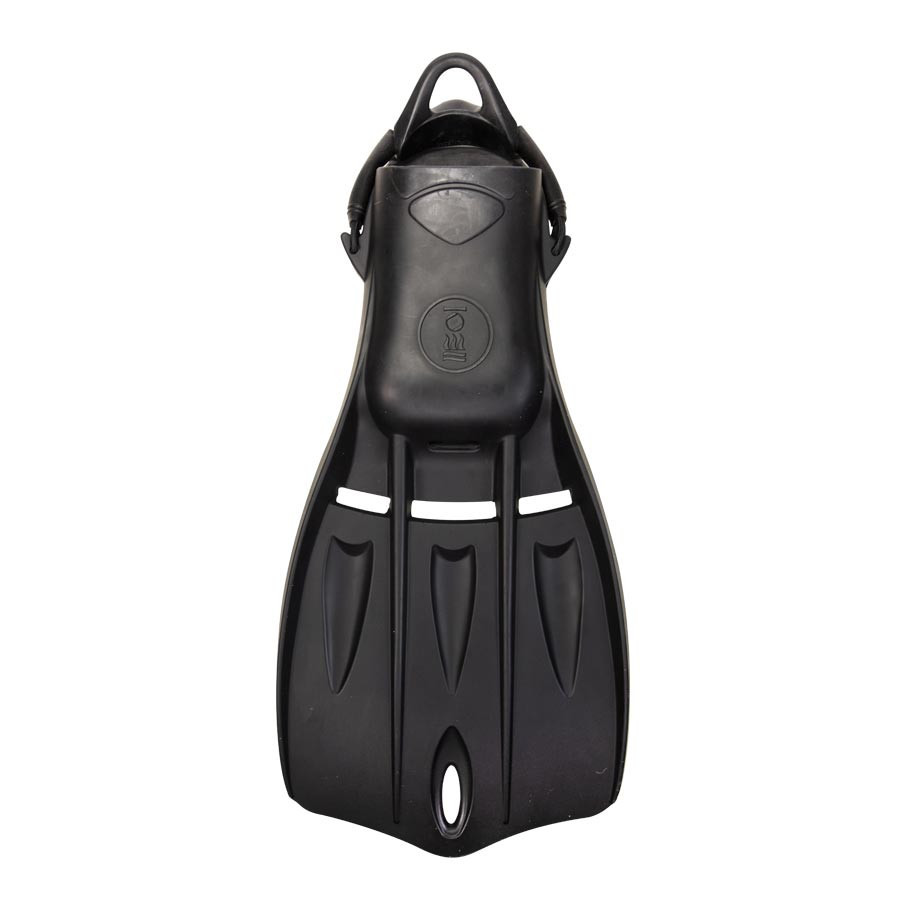
Best Tech Fin- Fourth Element Tech Fin (Military Spec)
Best Recreational Fins- Mares Avanti Quattro X4
Best Travel Fin- TUSA Travel Right
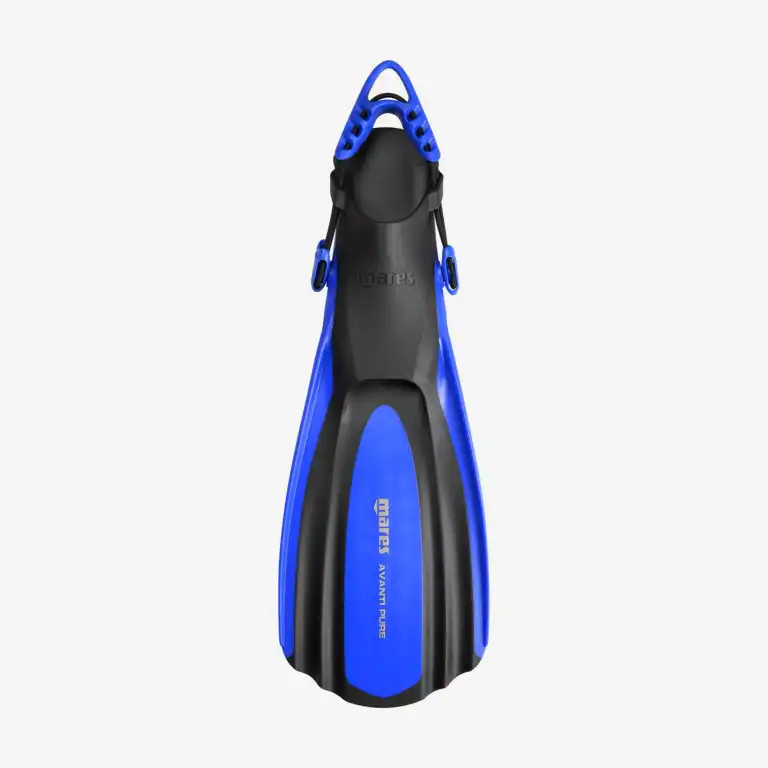
Best Budget Fin- Mares Avanti Pure Open Heel Fins
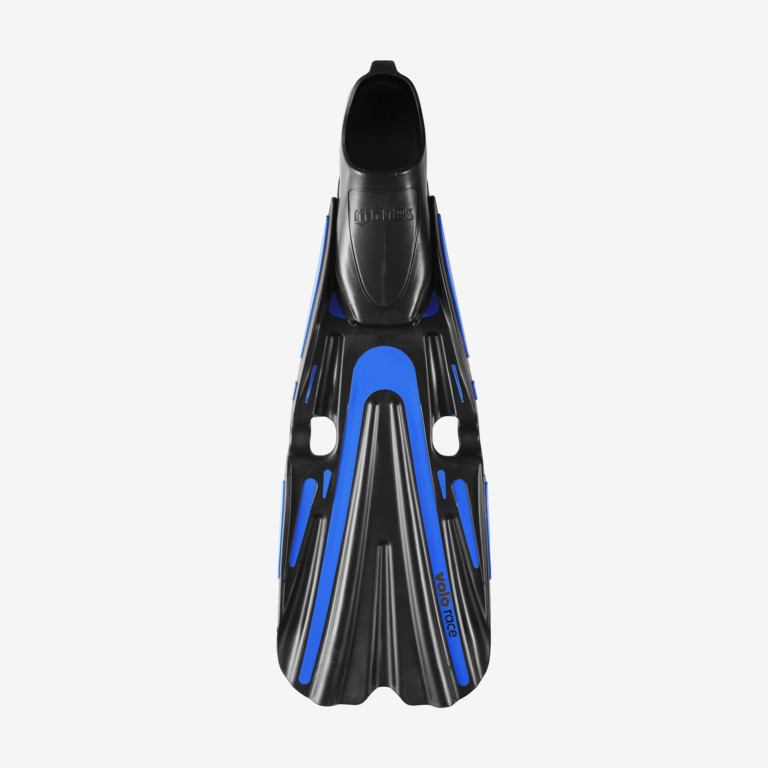
Best Scuba Fin for Beginners- Mares Volo Full Foot Race Fin
Best Fins for Underwater Photographers- Apeks RK3 HD
Best Budget Fin- Mares Avanti Pure Open Heel Fins
Freediving fins:
Best Overall Freediving Fin- Cressi Gara Modular Sprint
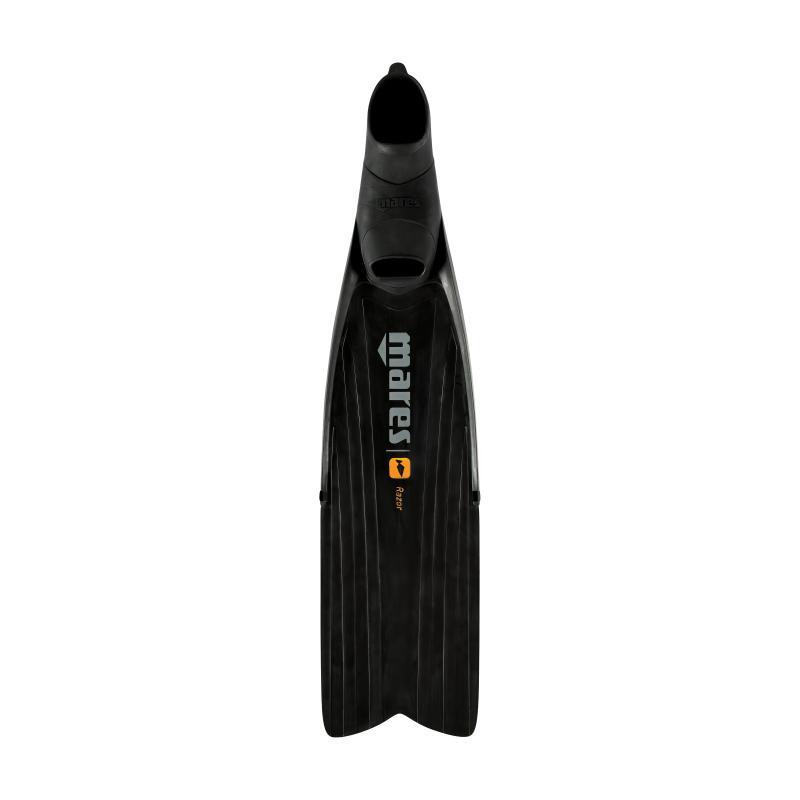
Best Freediving Fin for Beginners- Mares Razor Pro

- Jump straight to -
Best Dive Scuba Fins Comparison Table
Fin | Best for | Stiffness | Weight (lbs /kgs) | Price (USD) |
|---|---|---|---|---|
Fine, controlled movements and powerful kicks- built for any type of diver | Stiff | 4.49 lbs / 2 kgs | $ 219.00 | |
Technical divers or safety dives that navigate challenging conditions and need power in their kicks. | Very Stiff | 5.3 lbs / 2.36 kgs | $ 259.00 | |
Durable and powerful blades, non-slip soles, great for any recreational diver, beginner-to-pro. | Medium | 4 lbs / 1.81 kgs | $ 259.95 $ 297.95 | |
Travelling and warm-water diving and snorkeling | Soft to Medium | 3.04 lbs / 1.37 kgs | $ 79.20 $ 99.00 | |
Beginners, travelers or divers looking for comfortable, yet affordable fins | Soft to Medium | 3 lbs / 1.36 kgs | $ 89.95 $ 109.95 | |
Beginner to intermediate divers who enjoy closed-heel fins and are looking for simple and easy-to-use gear | Soft | 3 lbs / 1.36 kgs | $ 119.95 $ 137.95 | |
Photographers, Videographers and tech divers looking for negatively buoyant fins to navigate trickier environments | Very Stiff | 8 lbs / 3.62 kgs | $ 219.00 |
Best Freediving Fins Comparison Table
Fin | Best for | Blade Length | Weight (lbs /kgs) | Price (USD) |
|---|---|---|---|---|
Travels, Scuba Divers, Freedivers, Snorkelers and Spearfisherman. These fins are comfortable and versatile. | Short Freediving Blade | 4.49 lbs / 2 kgs | $ 149.95 | |
Freedivers and Scuba Divers, particlarly beginner Freedivers looking to get comfortable with long blades and to upgrade their skills | Long Freediving Blade | 5.3 lbs / 2.36 kgs | $ 138.95 $ 157.95 |

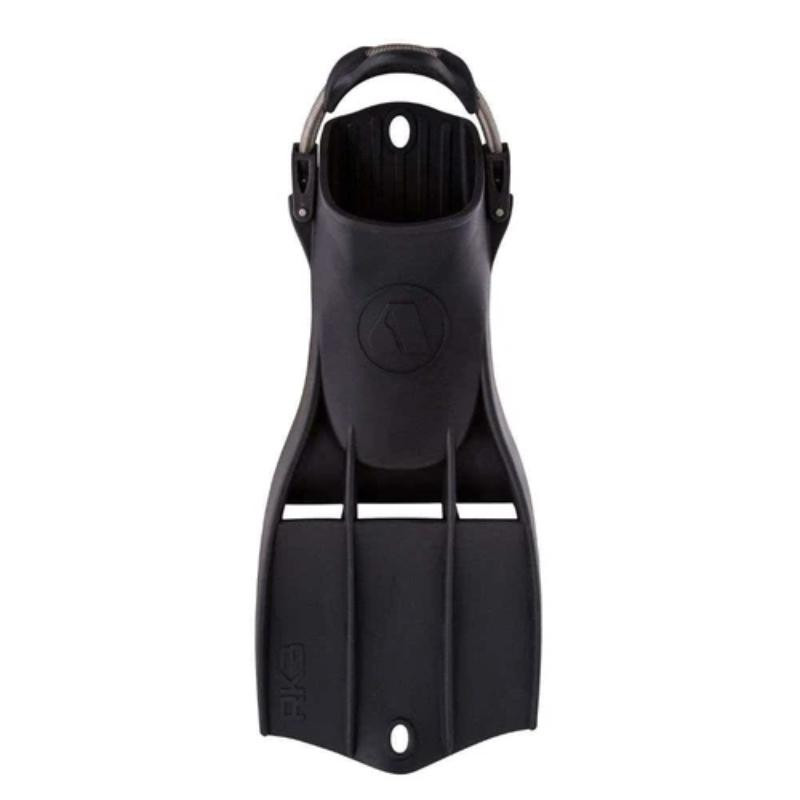
Best Overall Scuba Fin
"I’ve been using the Apeks RK3 fins for the past 4 years, and hands down are the best fins I’ve ever owned. Although quite a compact blade design, they are still very powerful giving you the ability to fin in a strong current. Although not the lightest fin, they are really durable so there’s no fear of damaging them when packed for travelling. Their ‘tech’ design also allows for back-finning and fine maneuvering when taking underwater photos. For me they tick every box – a 10/10 fin! " Read our review about the Apeks RK3 fins vs. RK4 here.
- A compact design with vented blades, allowing for easy and sharp maneuverability
- A Spring strap with well designed buckles that keep the strap in an optimal position, and are easily replaceable due to the push pin design.
- Extremely durable thermoplastic rubber material
- Oversized foot pocket, great for boots and drysuits.
- Available in a wide variety of colors.
- Amazing for maneuverability and control- great for frog kicks, back kicks and helicopter turns.
- They are compact and durable
- Works efficiently in currents and technical environments (helps not to stir up silt).
- They are rather heavy and may take up a lot of weights when traveling
- Some divers may find that the foot pocket is too loose for their liking
Best Technical Diving Fin
- The blade and foot pocket are made from natural yet dense rubber which is very durable and withstands high UV exposure.
- Sturdy tsainless steel spring straps whith a wide and comfortable heel pad
- The design includes vented bladed and rigid rails for power thrusts
- Negative-to-balanced buoyancy (depending on the size)
- Suitable for both wetsuits and drysuits
- Really precise control for different styles of kicking, including frog kicks, back kicks, and helicopter turns
- Built for heavy use with their durable construction
- Easy-to-use straps, even with thick gloves
- These fins are not a good option for barefoot use
- They are heavy and not intended for traveling divers
Best Recreational Diving Fin
- The three-material construction and optimised foot pocket design optimises comfort
- Impressive propulsion delivered by a 4-channel blade
- Stabilizing side ribs with overmolding
- An Elastic bungee strap with protective cover
- An Anti-slip sole
- Comes with a mesh bag, promoting sustainability
- Available in so many colors
- These fins provide incredible thrust with very little effort
- They perform well across different environments: from warm tropical reefs, to cold kelp forests (and are perfect for any level of dive qualifications).
- They are also very durable, with reinforced blade elements and overmolded ribs
- They may be a bit too large and bulky for frequent travelers
- The stiff blade and foot pocket may take getting used to if you are new to diving

Best Travel Fin
- Travel-friendly: these fins only weigh 3 lbs, and are a nice packable size, perfect for carry-on luggage.
- Soft monoprene and round-edged foot pocket
- Elastic Bungee Strap wich allows quick donning and doffing
- Compact Angled Blade Design for extra propulsion
- Versatile Use: Ideal for both diving and snorkeling.
- Utility Attachment Point: Convenient for carrying and stowing the fins.
- Lightweight and compact- perfect for traveling
- Comfortable foot pockets for barefoot use and a nice choice for either snorkeling or diving in warm, tropical waters
- Very affordable price point
- May not be the best choice for diving in strong currents or cold water
- Not as capable of performing technical kicks

Best Budget Fin
- A Very Comfortable Foot Pocket due to the erganoimic heel pad, which can then be used barefoot
- A special bungee strap that is always olaced in the right position
- Channel Thrust Power
- 2-Material design
- Highly Variable- Available in many colors and sizes
- Only weighs 3 lbs
- A Great combination between comfort and propulsion
- Lightweight for traveling
- Easy to use and affordable, making it a great choice for beginner divers
- Not well suited to cold-water or technical diving.
- These fins may not have enough power for advanced divers or those who experience strong currents
Best Fin for Beginners
- Closed Heel Design with an ultra-comfortable foot pocket
- Can Be Used Barefoot or with light socks, and is easy to don and dof.
- Soft blade stiffness
- Optimized pivoting blade and Channel Thrust Power
- Available in Multiple Sizes and four colors
- Only weighs 3 lbs.
- Easy to kick with, and require very little effort- being a great choice for those with knee or ankle issues
- Soft foot pockets that do not lead to rubbing or chaffing
- Also very light and a good option for traveling to warmer places
- Not a good choice for strong currents, cold-water, or rougher conditions.
- The full-foot pocket may not suit all foot shapes
Best Fin for Underwater Photographers
- Made from extremely dense thermoplastic rubber (denser than RK3s)
- Negatively Buoyant
- A variety of sizes: Small, Medium, Large, Super
- Over-sized foot pockets to fit drysuit boots
- A Spring strap that allows easy donning and doffing, even with thick gloves.
- Weighs 8 lbs
- Outstanding precision which works best with frog kicks, back kicks and helicopter turns
- Negatively Buoyant which is great for trim and helps prevent floaty feet
- Provides powerful propulsion in surf, for shore entires, and currents
- Extremely heavy, making them a trichier item to take traveling
- The stiffer blade can cause newer divers to feel more fatigued


Best Overall Freediving Fin
- The Blades are made from thermoplastic elastomer with sublayer and overlay construction while the foot pockets are made from Thermoplastic Rubber.
- Blade/Foot Pocket Angle: 29 degrees
- Extremely thin and light blade design with variable thickness for optimal performance
- Assembly: Standard blade/stringer interface with screws under the foot pocket and side clips
- Weighs 4.49 lbs
- Amazing propulsion for shorter freediving fins
- More compact and travel friendly than other long freediving fins
- Modular blade design allows for future upgrades of the fins
- Some divers find the fin pocket sizes to run a bit big
- Not as powerful as other carbon-fins

Best Freediving Fin for Beginners
- Interchangeable blade which is made from high-quality Elastomer
- Designed for a comfortable fit with soft 3mm neoprene socks, making it great for cooler waters too
- Perfect power transmission from foot to blade
- V-tip design prevents lateral slipping
- Weighs 5.3 lbs
- The are sturdy and durable, and are less fragile than carbon fins
- The flexibility of the blade helps reduce fatigue, especially in challenging conditions, and they provide great power when needed in these conditions.
- Comfortable erganomic foot pockets
- The longer blades can be slightly awkward when travelling
- They do have less maneuverabilty than the shorter blade fins
Frequently Asked Questions about Scuba Fins:
About the Author:

Jamie Ayliffe
With a degree in Ichthyology, she has a strong passion for fish, the underwater environment and marine conservation. She is equally as passionate about sharing her love for diving, and dive gear, with fellow SCUBA enthusiasts. Working at Bluewater as the Scuba Marketing Coordinator allows her to do exactly that!