Types of Scuba Diving Masks Explained: Which One Is Right for You? (2026 Guide)
Posted by Jamie Ayliffe on August 12th, 2026
Types of Scuba Diving Masks Explained: The Ultimate Guide (2026)
From low-volume frameless masks; to twin-lens, panoramic and even prescription lenses, there are plenty of options to choose from. Honestly speaking, I don't think that there are "best masks" but definitely the "right masks" for certain people. If you are looking for specific recommendations, our best scuba masks of 2026 guide compares individual models, and compares who each is suited to.
Between the dive professionals that make up our entire Bluewater Photo and Scuba Team, we have a combined experience of more than a couple hundred years. In that time, each of us has had the opportunity to try and test different scuba masks in thrilling dive destinations around the globe. We put particular effort into testing the masks we have in store, to deliver honest and helpful opinions on our products, and have dealt first-hand with various mask volumes, lens configurations, skirt materials and shapes. Through this guide, we hope to help you find the combination that works best for you!
- Jump to Section -
How to Choose a Scuba Mask:
A Comparison Table for Different Types of Divers.
If you are... | Start by exploring... |
|---|---|
New to diving | Framed mask with medium-volume |
A frequent traveler | Frameless mask with low-volume |
An underwater photographer | |
A diver that wears prescription glasses | |
A freediver or spearfisher | A freediving mask, possibly one with mirrored lenses. |
A diver that wants a wider field-of-view | |
Dive in bright, tropical conditions | |
Not sure where to start | Read our guide- there are many more important factors beyond fit. |
Scuba Mask Anatomy
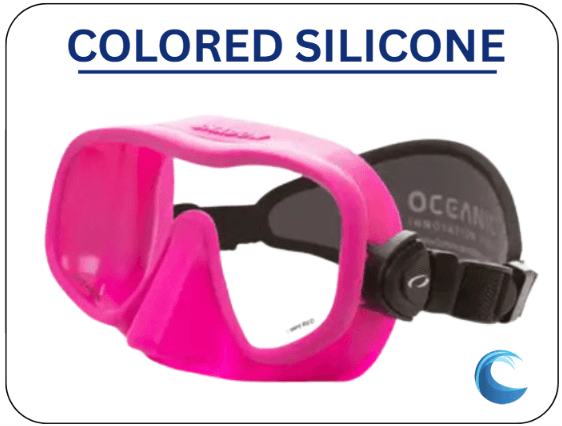
Having a full understanding of scuba mask anatomy will make it easier to understand the differences between mask designs later in this guide. For example, how lens shapes alter your field of view, how silicone color affects glare, or how frames change the travel friendliness of a mask.
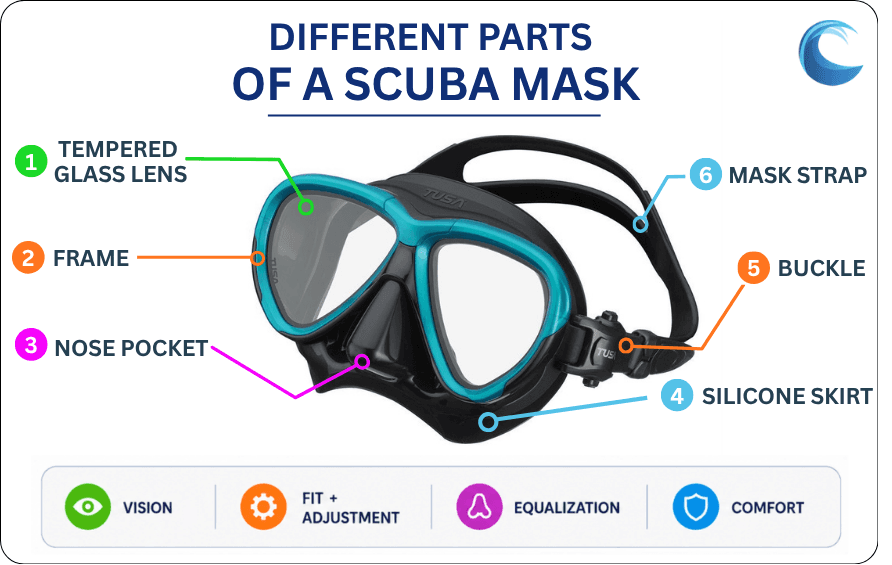
1. Tempered Glass Lenses
The lenses of your mask can come in many different configurations, such as: single-lens, dual-lens, three-lens or panoramic masks, each offering their own benefits according to your diving style.
When buying your new mask, always look for 'Tempered Glass' or a 'T' etched into the corner of the lens. This indicates that the mask is suitable for diving.
2. Mask Frame
We will explore the differences between the two in more detail later in this guide.
3. Nose Pocket
The fit of a nose pocket is very important here. The bridge of a mask, where the nose pocket begins, is shaped differently in every model. Speaking out of experience as someone with a uniquely shaped nose, I have found that some masks sit unfomfortably and put pressure on the bridge of my nose, while others fit perfectly.
4. Silicone Skirt
Modern masks are generally made from high-quality silicone that is durable and remains soft and flexible, even after constant exposure to chlorine, saltwater and UV light. Some premium masks go the extra-mile and are made from medical-grade silicone, which is hypoallergenic and perfect for those with sensitive skin. It is worth checking the skirt material before purchasing your mask, as models made from rubber or PVC are less durable and harden over time.
Just like our faces, no two mask model skirts are the same. Some skirts have wider sealing surfaces for the broader faces, while others have narrower skirts for slimmer faces. To enure that your mask is truly watertight, be sure to find a mask with a seal that fits your facial features. Besides my unique nose, I have a narrow face, and therefore have to be very picky with my masks, but there are many options for the divers like myself. This proves that the fit of the mask is much more important than the brand or price tag!
5. Buckle
6. Mask Strap
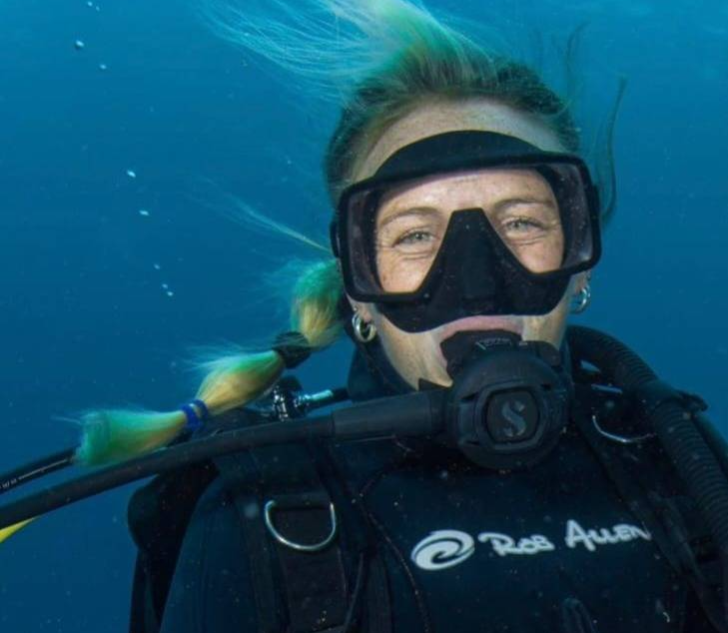
Most masks come with a silicone strap, which is light, durable and easy to tighten. However, many divers- especially those with long hair- find that silicone straps lead to broken or tangled hair. This is certainly one of my mask frustrations. A great solution to this is using an fabric mask strap, or alternatively, covering your silicone strap with a neoprene sleeve (just be sure it does not slide off during your backwards roll).
What are the different types of scuba masks?
1) Lens Design
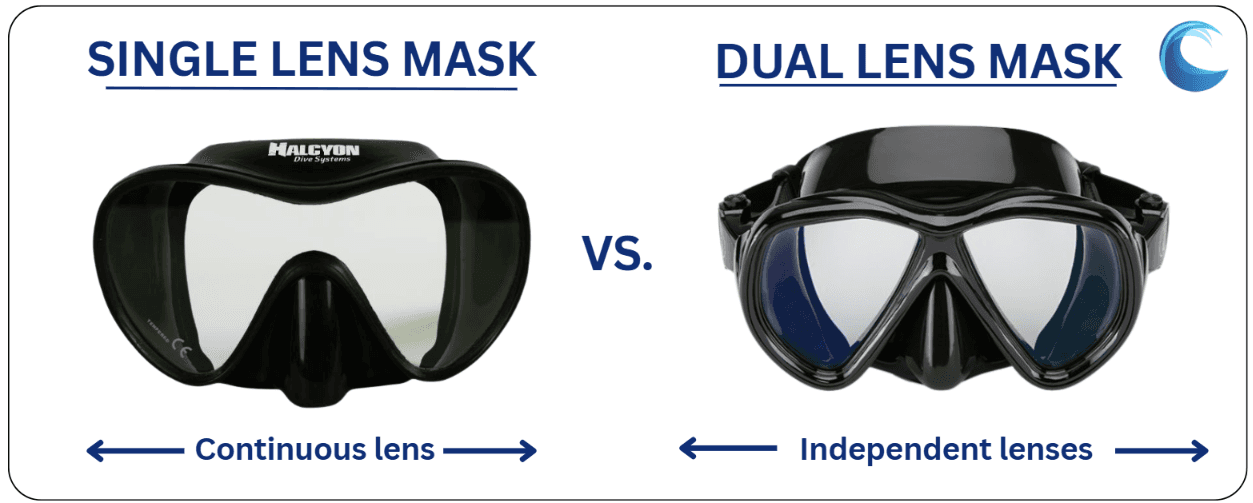
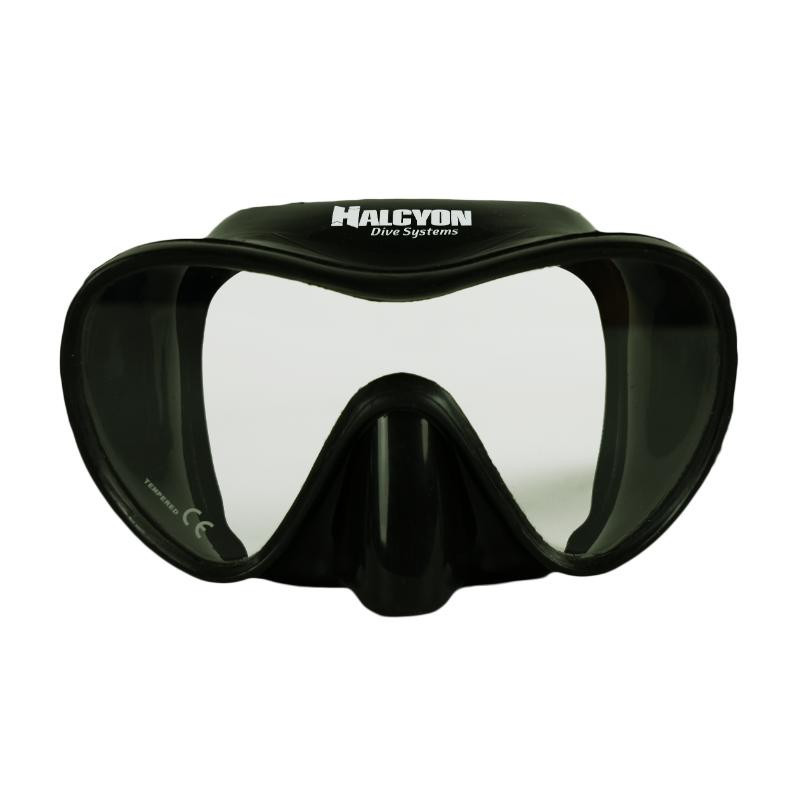
Single Lens Masks:
Pros:
- Wider, uninterrupted field of vision, great for those who want to see more underwater.
- They are generally easier to defog.
- They have a more compact design.
Cons:
- It can be more difficult to equalize a single lens mask as can have higher volumes.
- They are not as suited for interchangeable prescription lenses.
- They may feel restrictive for those with prominent features.
Who is it Best for?
I would recommend a single lens mask to recreational divers who want to soak up their surroundings and have a wide field of view. This is a perfect choice for photographers who want an uninterrupted view of their viewfinder or screen; and just as great for the travelers looking for compact, lightweight masks that are easy to pack.
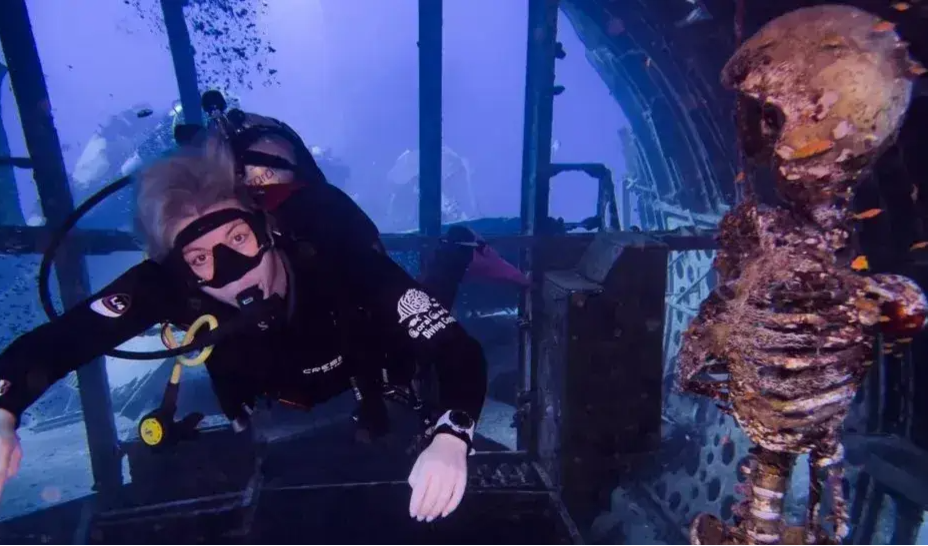
Twin (Dual) Lens Masks:
Pros:
- Far more versatile and can fit a wider variety of face sizes.
- They usually (but not always) have a lower volume and are therefore easier to clear and equalize than a single lens mask.
- They are more prescription compatible, and each lens can have a different prescription strength.
Cons:
- Some divers may find that the dividing bar distrupts your vision.
- They may feel restrictive for those with prominant features.
Who is it Best for?
Dual lens masks are actually so versatile, I truly believe that they are suited to any underwater explorer! They are a particularly good choice for divers who need prescription lenses, for beginners who are learning how to clear their masks, or to freedivers looking for the lowest volume possible. Dual (Twin) lens masks are an great all-round choice for different types of divers and diving conditions.

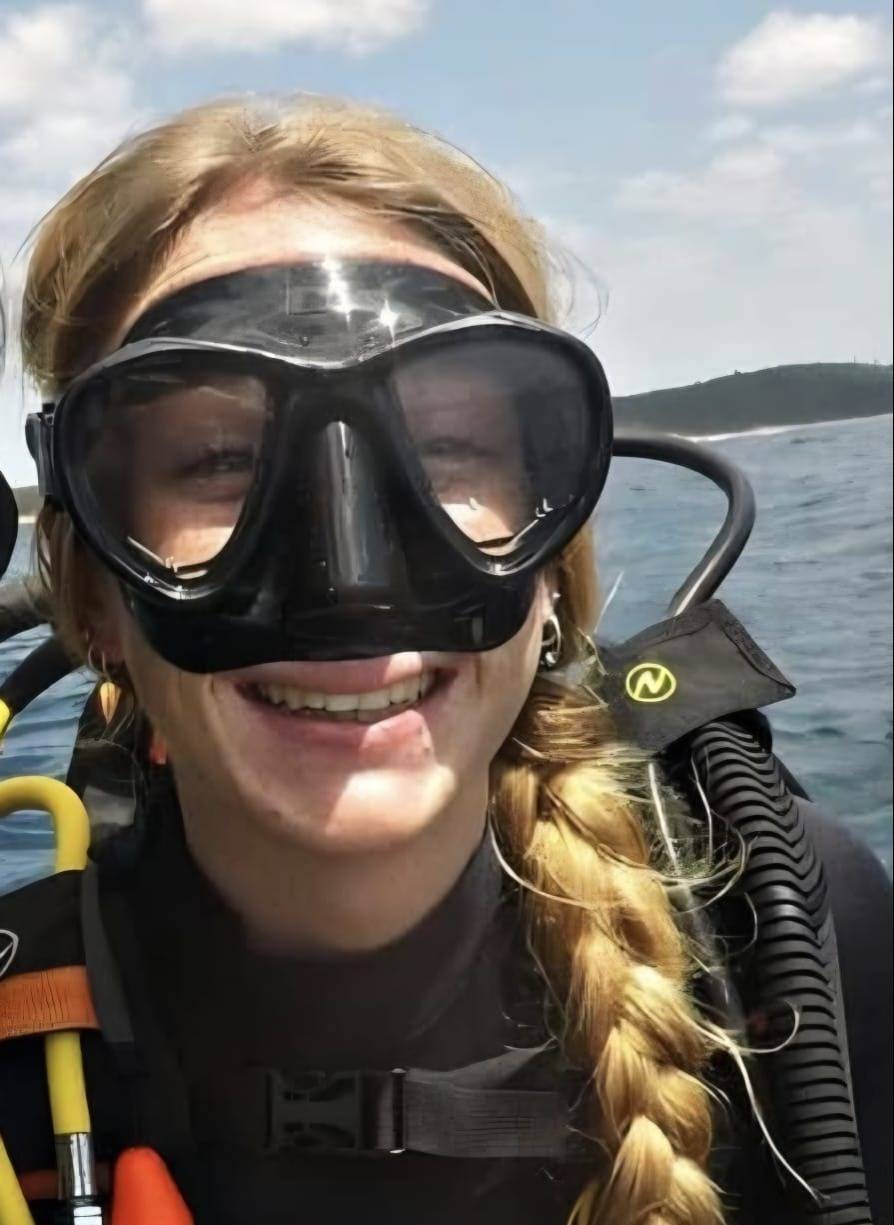
Panoramic (Three/Four-Window) Masks:
These 'extra-window' masks lost some of their popularity over the years, largely owed to the fact that panoramic masks tend to have higher internal volume, and therefore need greater efforts to equalize and clear your mask. In my own experience, I find the ability to see out the sides of my mask slightly distracting, and much prefer the 'straight-forward focus' that traditional masks offer.
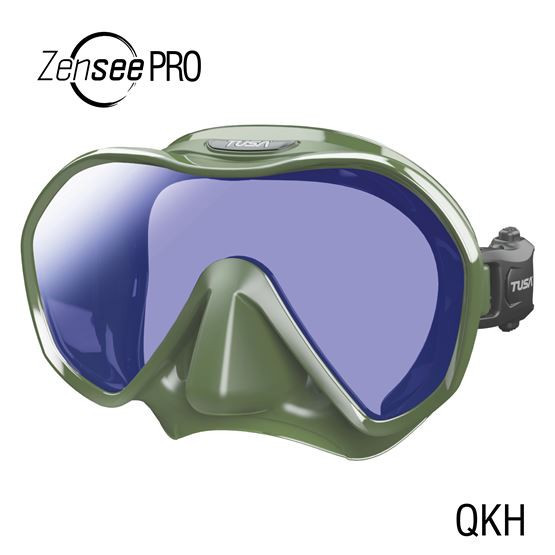
The name 'panoramic' does not always refer to masks with three or four windows. Some modern brands market their masks as 'panoramic' if the mask has an extra-wide field of vision, often achieved by cleverly altering the angle or size of the lens. A good example is the Tusa Zensee Scuba Mask.
2) Types by Internal Volume
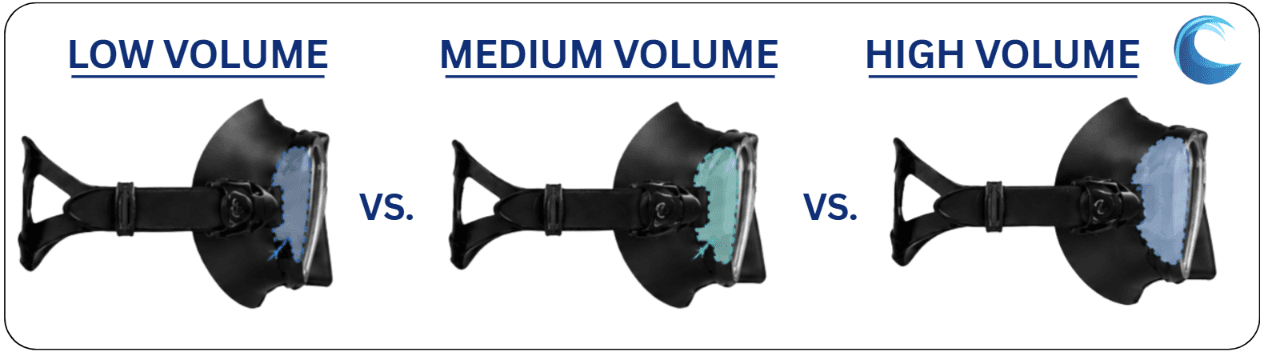
Low-Volume Masks:
Low-volume masks have become increasingly popular over the years, and for good reason. As their name suggests, there is a smaller airspace within the mask, with the lenses sitting closer to the face. Not only is this more hydrodynamic, but it reduces the effort needed to clear out water and equalize the airspace upon descent.
Pros:
- Much more efficient for clearing and equalizing.
- Helps reduce drag.
- Usually more compact and better for packing.
- Since the lenses are closer to the eyes, underwater photographers often enjoy low volume masks to get closer to the screen or the viewfinders of their cameras.
If you are putting together your first underwater photography set-up, have a look at our best underwater cameras guide.
Cons:
- Divers with broader face shapes may find low volume masks too restrictive.
- Some divers do not enjoy having mask lenses too close to their eyes and cheeks (especially those with long, lucious lashes).
- Can have a narrower field of view, but modern low-volume masks can still be found with a wide range.
Who is it Best for?
I would recommend low-volume masks to those who want to spend less equalizing abnd clearing their masks. Overall, these masks are suited to all underwater enthusiasts, from recreational divers, technical divers, underwater photographers and freedivers...
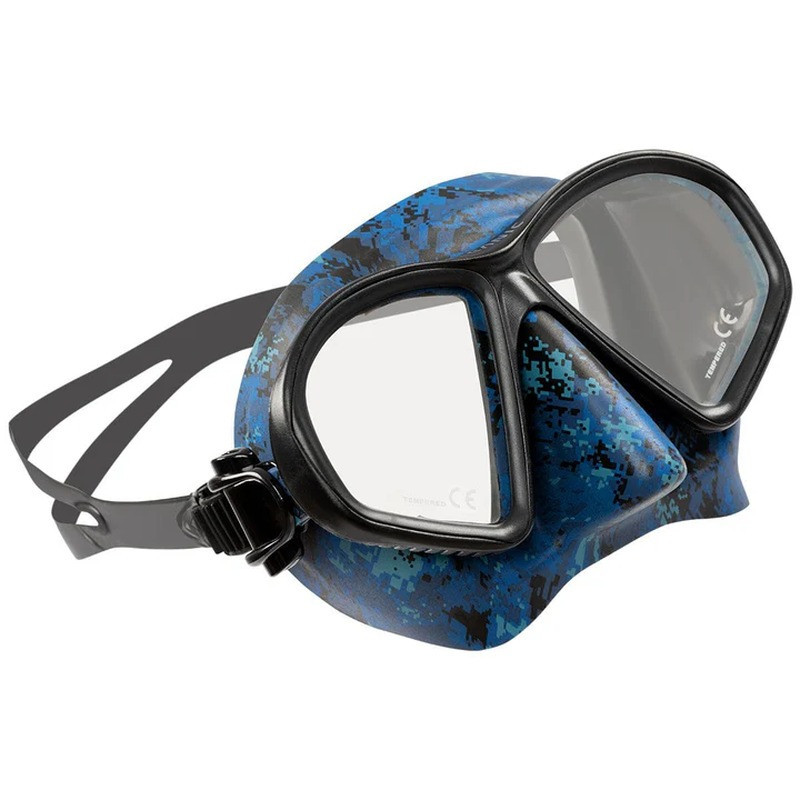
Medium- to High- Volume Masks:
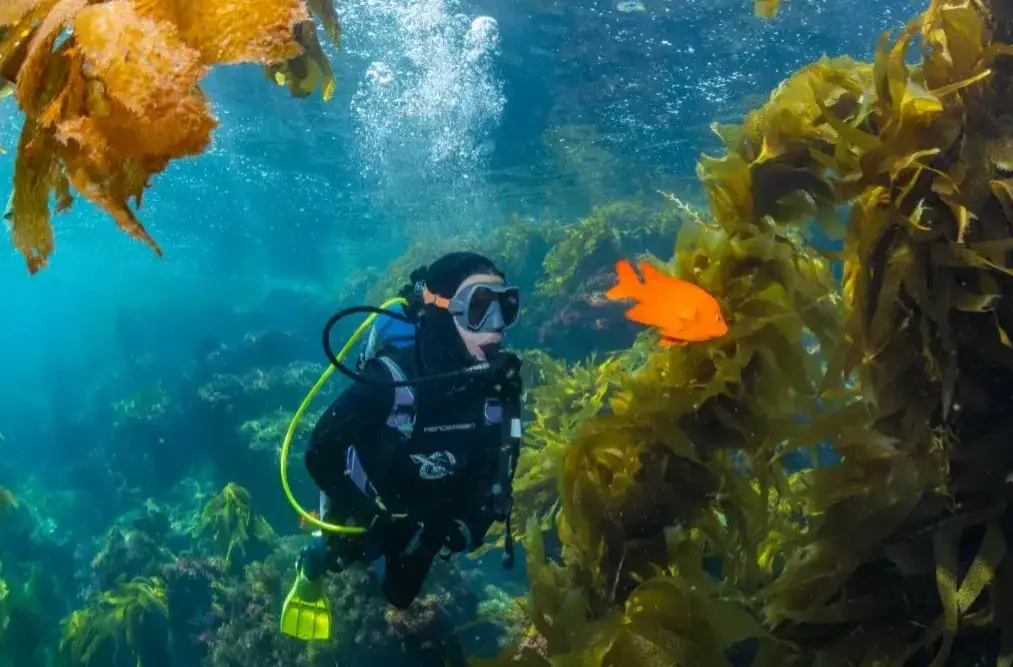
While mask volumes are generally trending lower, and 'high-volume' masks are becoming more rare to find, there is a sweet spot found in medium-volume masks, which remain relatively easy to clear and are better fitted to a larger range of face shapes. Medium-volume masks are also generally more comfortable, and tend to offer broader vision. We will not focus in too much detail on high-volume masks, which are less popular as they are trickier to clear and equalize, but let's look at medium volume masks that offer a middle ground between the two.
Pros:
- Offer both efficiency and comfort.
- Often have a wider field-of-view.
- Many divers find them easier to fit.
- Good choice for rental masks as they will appeal to a wider variety of clients.
Cons:
- Not as easy to clear or equalize when compared to low volume masks.
- Slightly bulkier, taking more space in your dive bag.
Who is it Best for?
Medium-volume masks are a fantastic choice for beginner divers, recreational divers and those who go on relaxed dive holidays. They still perform exceptionally in a range of environments, and offer comfort, good vision and ease of use.

3) Types by Frame Design
- Framed Masks:
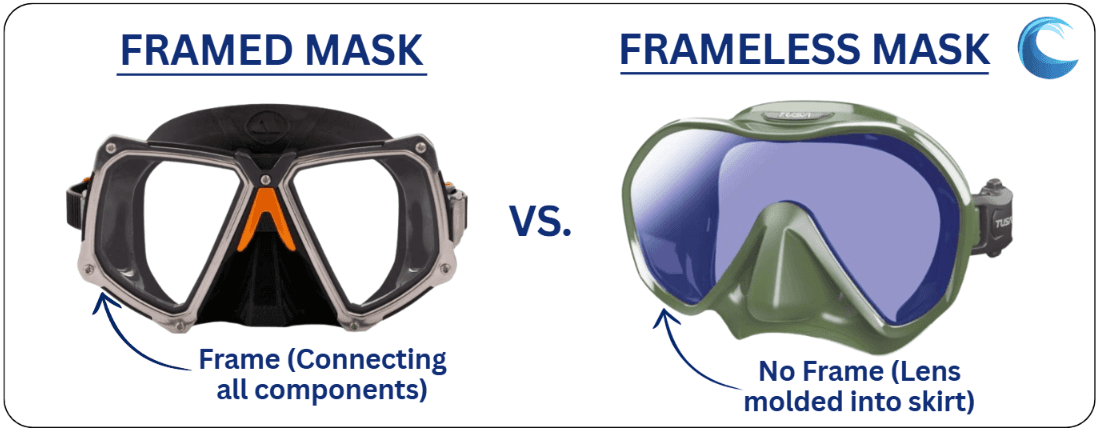
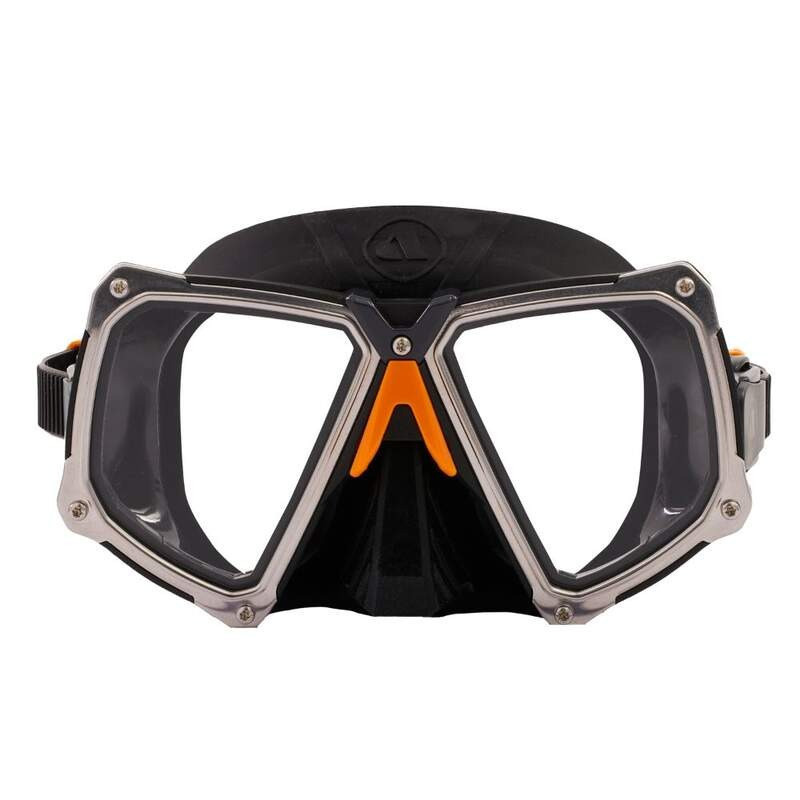
This is the more traditional construction of a mask, where the frame is designed to hold together the lenses, skirt and straps. Framed masks remain popular to this day, for a variety of reasons.
Pros:
- A robust, traditional construction.
- Easy to disassemble for cleaning, or replacing various parts.
- Can accommodate side windows for peripheral vision.
- Come in a wide variety of configurations.
Cons:
- Bulkier and not as travel-friendly.
- The frame may create 'blind-spots'.
Who is it Best for?
Framed masks can be very versatile and come in a whole range of shapes and sizes. I would recommend framed masks to divers who enjoy versatile, traditional masks that are easy to clean and repair, as well as divers with prescription lenses as these are the most common forms of prescription masks.
- Frameless Masks:
The perfect choice for minimalist divers, and personal preference of mine. Frameless masks are gaining lots of favor in the Scuba Industry, and what differentiates them is that the skirt is bonded directly to the lenses, creating a more streamlined, lightweight and flexible package, with a distinctive low-profile.
Pros:
- Lighter and more flexible, better suited for traveling.
- Many have a low-volume design, with the lens/es being closer to the face.
- More streamlined and hydrodynamic.
Cons:
- Offer fewer options for replacing individual components.
- Trickier to clean the inside edges of lenses.
Who is it Best for?
Frameless masks are best suited to traveling divers, freedivers, and the minimalists. If you find that traditional masks feel too bulky on your face- the frameless option may be a quick fix for that feeling. I personally enjoy my frameless mask for its lightweight design and simplicity.
4) Silicone Colors
5) Specialty Scuba Masks
- Freediving Masks:
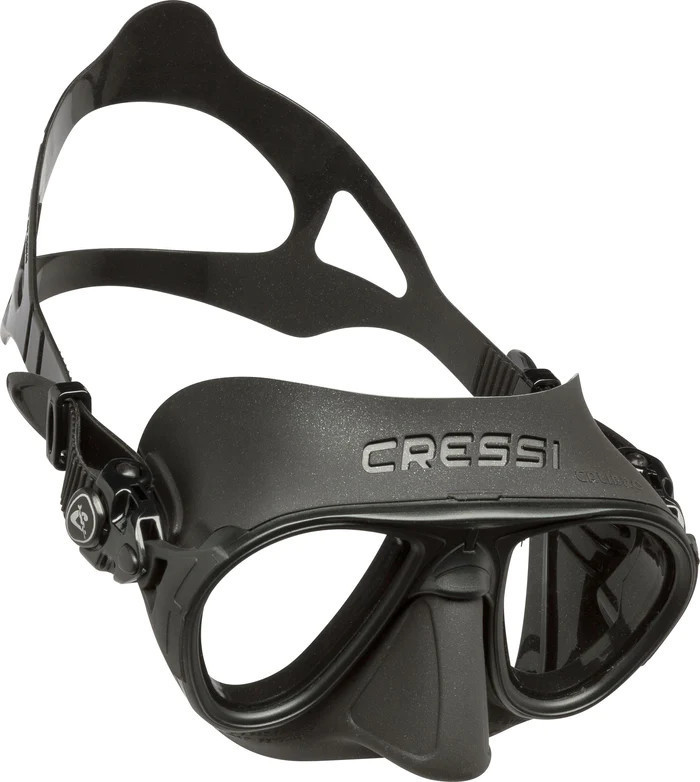
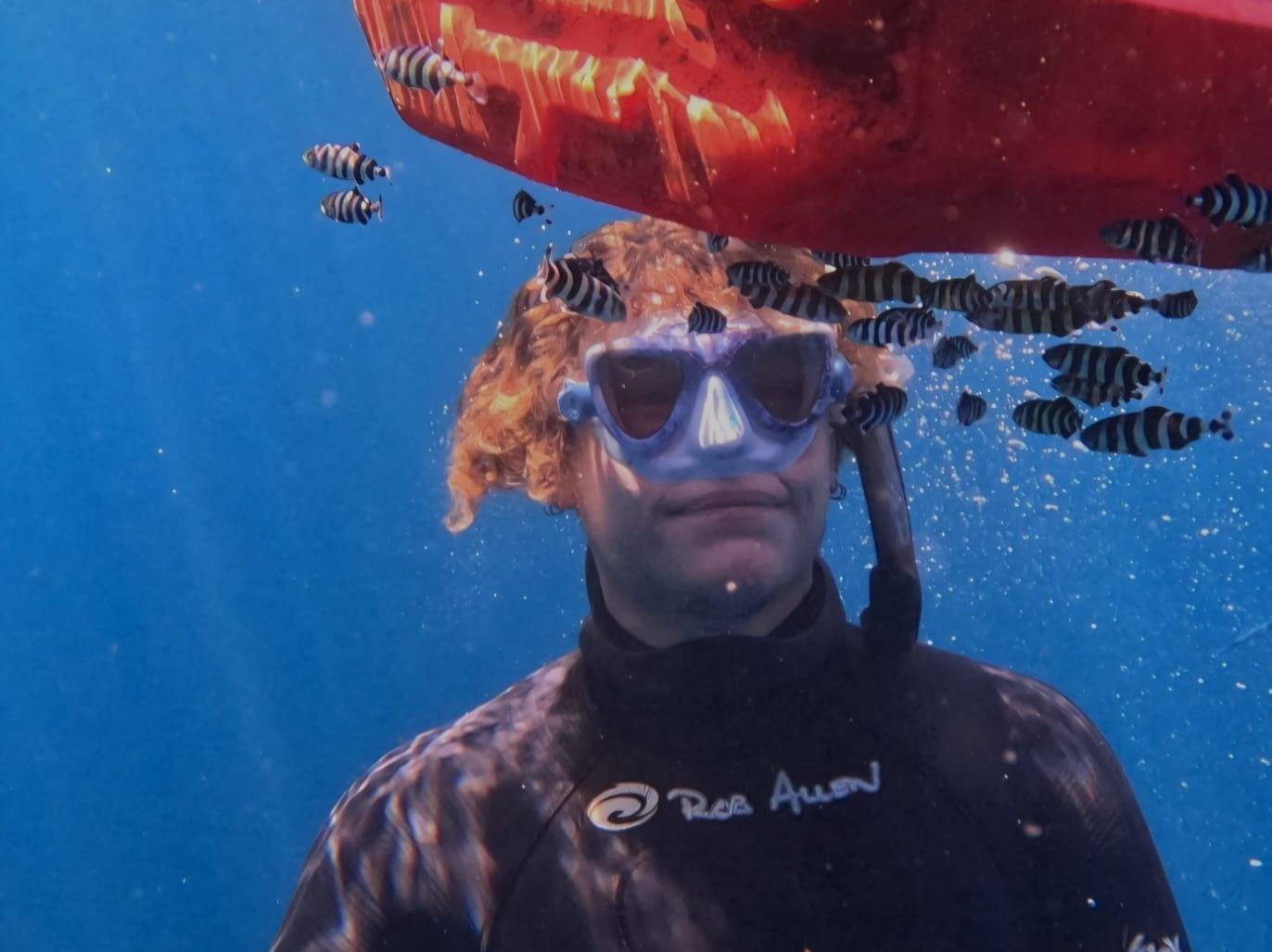
Freediving masks are designed specifically for breath-hold diving, and volume is the most important factor to consider here. Every bit of available air needs to be conserved during a breath-hold so having an extremely low-volume results in less air being needed for equalizing that airspace between the lenses and your face. Additionally, freediving masks are compact and more streamlined, for the breath-hold divers to conserve even more energy, and flexible enough to handle compression with increasing depths. I personally do not enjoy scuba diving with freediving masks, as the field of view is narrower, but when I completed my freediving courses in South Africa, a freediving mask became extremely valuable. Underwater photographers may appreciate them too, with the low-volume bringing you closer to your camera view-finder.
Pros:
- Very low volume, making the process of equalization more effecient.
- Minimal drag to improve streamline.
- Often more flexible, compact and travel-friendly.
- Some lenses are angled to improve downward visibility.
Cons:
- Some divers may not enjoy scuba diving with them, as the field-of-view is narrow.
- The smaller shapes and lower volume may not fit all faces well.
Who is it Best for?
Freediving masks are designed for freedivers, spearfishermen, and those scuba divers and photographers who enjoy compact, low-volume masks.
- Prescription-Compatible Masks:
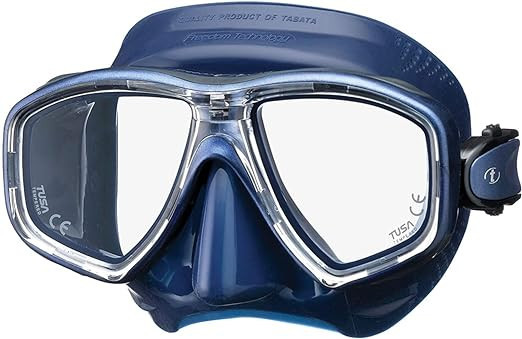
For those divers and underwater photographers who have trouble seeing underwater, and wear corrective lenses out of the water, you have a number of options when it comes to prescription-compatible masks. From ready-made prescription lenses in common strengths, to custom prescriptions that suit your exact needs. Some divers opt for bifocal or reading lenses which help with seeing their gauges, computer, camera controls, and so on. Some prescription lenses can be bonded to your existing mask lens directly, or replace your original lens entirely. There are also 'peel-and-stick' options which you can apply and replace yourself, and are usually more affordable.
Pros:
- Being able to see underwater for those who usually have difficulty.
- Can be completely customizable based on your needs.
- A nice option for those not comfortable diving with contact lenses.
Cons:
- Can be costly.
- Not all scuba masks can accommodate built-in prescriptions.
Who is it best for?
Prescription masks are ideal for those who need vision correction and want to see their surroundings and equipment clearly.
- Mirrored Lens Masks:
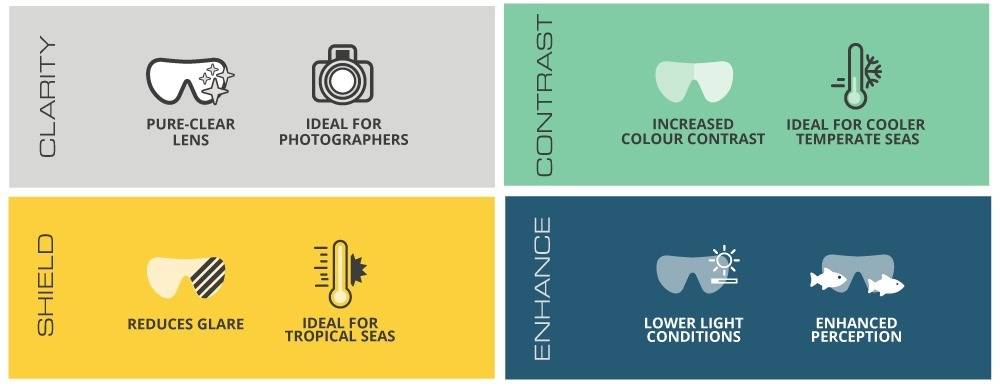
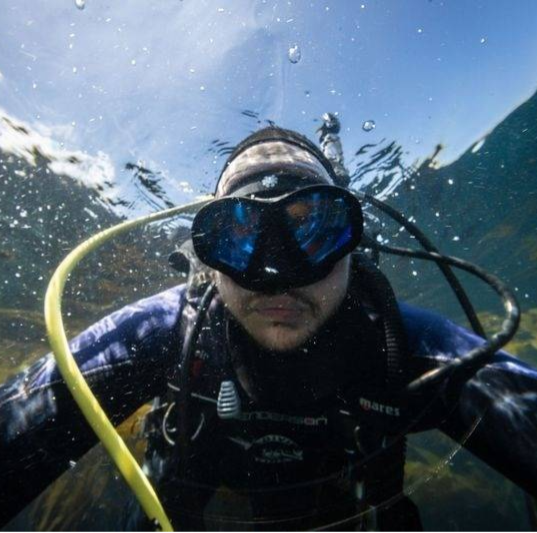
At first glance, you may think that these shiny, metallic-colored lenses are purely decorative; but the reflective treatments applied to the lenses help alter the way that light enters your mask. What I think is particularly fascinating is that each color can have a different function underwater, and suit different environments better than others, all depending on the manufacturer. Fourth Element is an excellent example: the color you see on the outside is only part of the story. With many of their masks, you can choose a different mirrored lens function, which best suits your diving needs. These lenses are as follows:
The Clarity treatment has a clear lens that lets in your regular amount of light, which is great for underwater photographers. Their Contrast lenses help increase color contrast underwater, particularly in temperate waters, while the Shield lenses are best for shallow tropical reefs as they reduce glare. There are even options for the tech, wreck and cave divers: the Enhance lenses are a good choice for low-light conditions as they enance perception. I think that's pretty amazing, but keep in mind, similarly colored lenses from other manufacturers may perform differently.
Pros:
- Assists in altering the amount of light coming in to your mask, yielding more vibrant and clearer images.
- Available in different options to suit your diving style.
- Can better your interactions with marine life, as they cannot see your eyes (I have witnessed the difference myself!)
- Can provide contrast to colors or reduce glare.
Cons:
- May be less versatile between different environments.
- Not well suited for dive instructors, as your students cannot make direct eye contact.
- Uses may be different between manufacturers
Who is it best for?
A wide variety of divers, freedivers, snorkelers and spearfishermen who tend to stick to a specific environment. These tinted lenses can be great for both light intense environments, and also lower light environments, depending on the tint color. They can also be incredible for those who like to get a little bit closer to marine life.
5 Common Scuba Mask Mistakes to Avoid
1) Buying a Mask Purely Based on Looks
2) Not Thinking about Facial Hair
3) Over-tightening the Straps
4) Assuming the More Expensive Masks Are Better
5) Not Considering Diving Styles
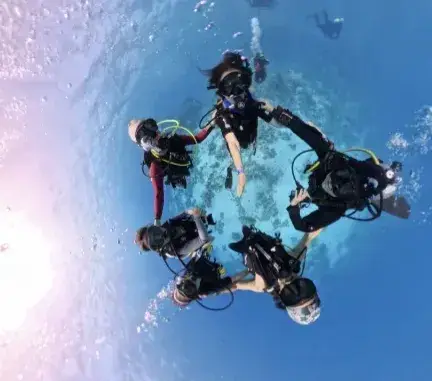
Each diver will have their own preferences, and it is all about finding what works for you. As you can see in the image of the Bluewater Travel Team (right) in the BVI, each of these dive professionals have different styles of masks, proving that not one type is better.
If you are still unsure as to which type is best suited for you, contact us at scuba@bluewaterphotostore.com, and we will be happy to help find your perfect mask!
Frequently Asked Questions about Scuba Masks

Jamie Ayliffe
With a degree in Ichthyology (fish) and Zoology, she has a strong passion for the underwater environment and marine conservation. She is equally passionate about sharing her love for diving, and dive gear, with fellow SCUBA enthusiasts.
With much experience in handling and upkeeping SCUBA gear, Jamie has a strong understanding of dive equipment functionality, individual diver necessities, and the latest trends in the diving industry. She is eager to share her insights with you!