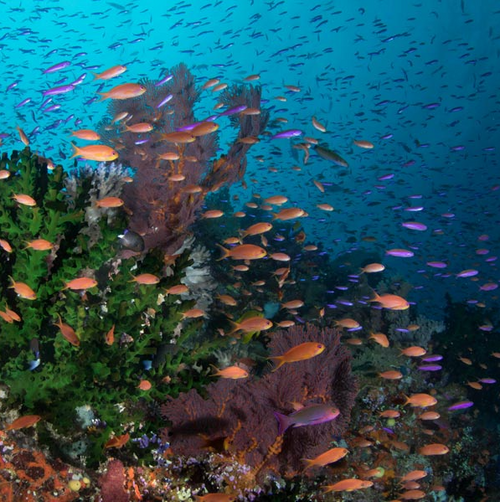
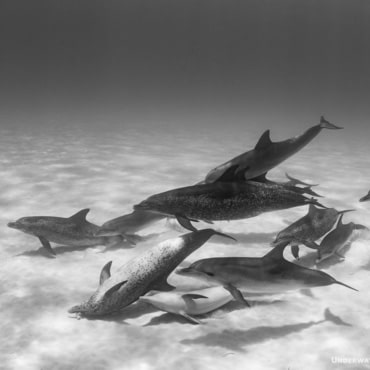
Join us for sea lions, sperm whales, whale sharks, and some awesome macro life!
Why Join This Trip?
FREE daily photo workshops
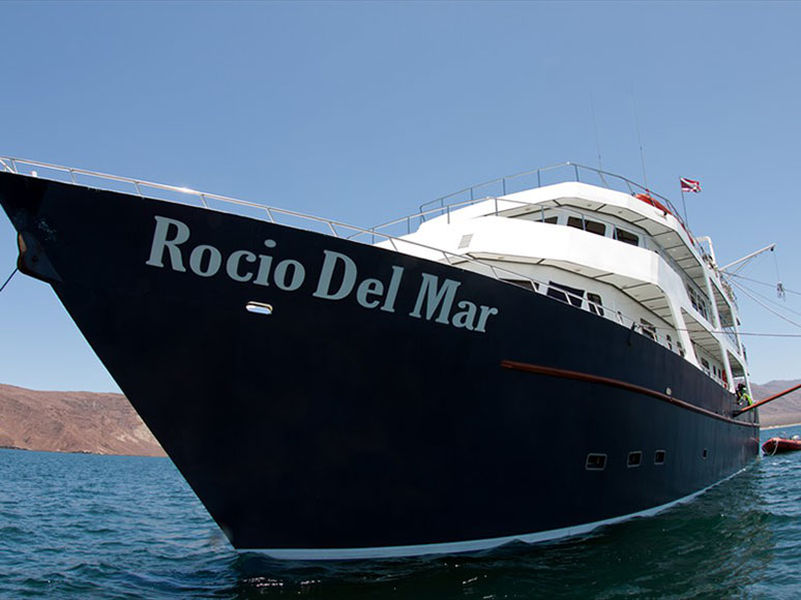
The Rocio Del Mar is one of the most experienced liveaboards sailing in the Sea of Cortez
Dive in an area Jacques Cousteau called the Aquarium of the World
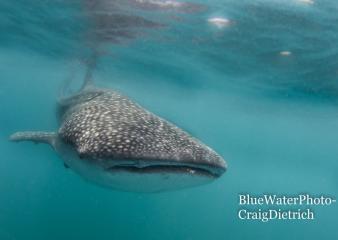
Big animal sightings like whale sharks, sea lions, dolphins, sperm whales and much more
Easiest liveaboard to access from the US - fly or drive to Phoenix, AZ
25% off rental photo gear from Bluewater Photo
Fully refundable deposit until 12 months from departure.
August 23 - 30, 2025
Trip Leaders: Nirupam Nigam
7 Nights for only $3,095
Check out this cool video from diving the Sea of Cortez:
Trip Overview
This trip offers a great combination of big animals and fascinating macro life. There's always something for everyone. Plus, it's really easy to get to being only a 4-hour drive from Phoenix, AZ.
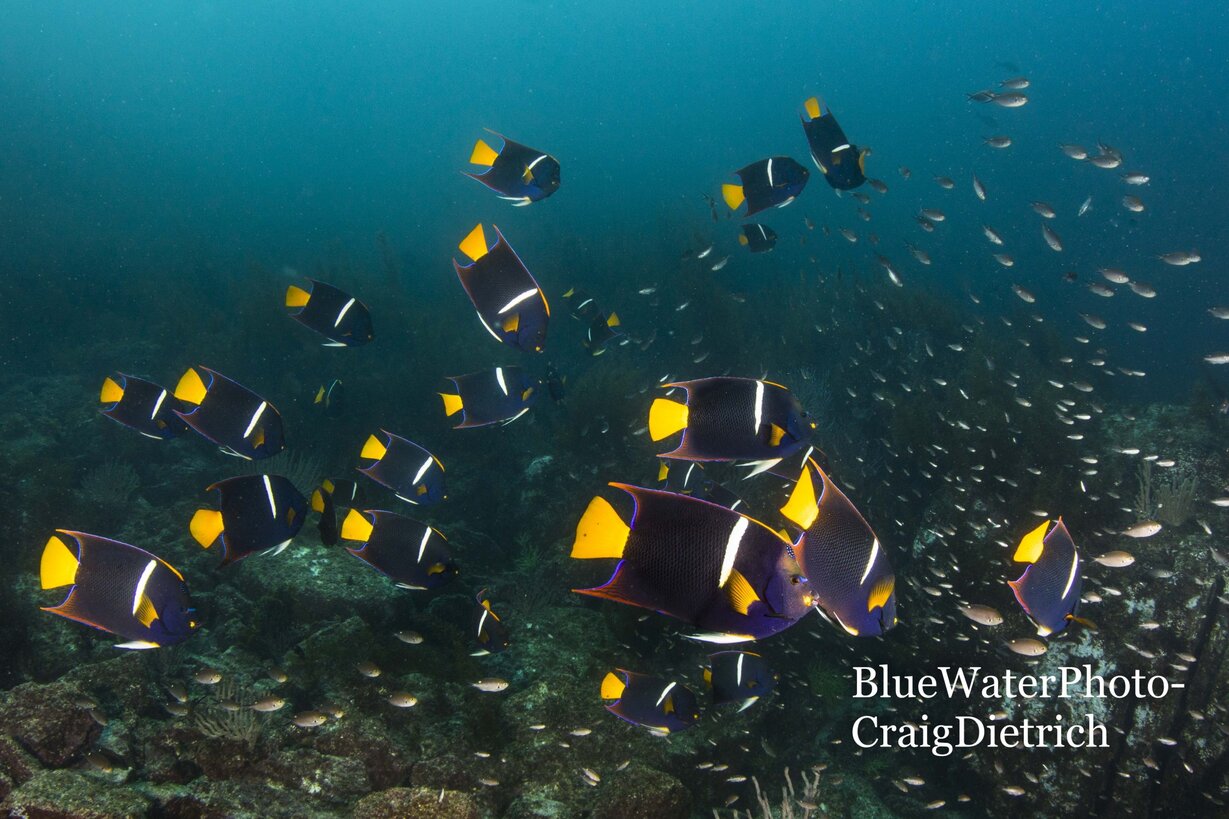
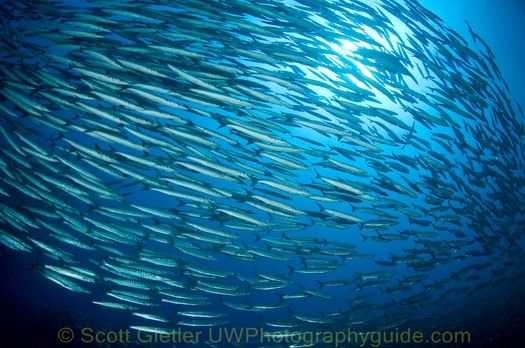
The Sea of Cortez is home to sea lions, whale sharks, manta and mobula rays, dolphins, and huge schools of fish. Sperm whales, pilot whales, and dolphins are also commonly spotted.
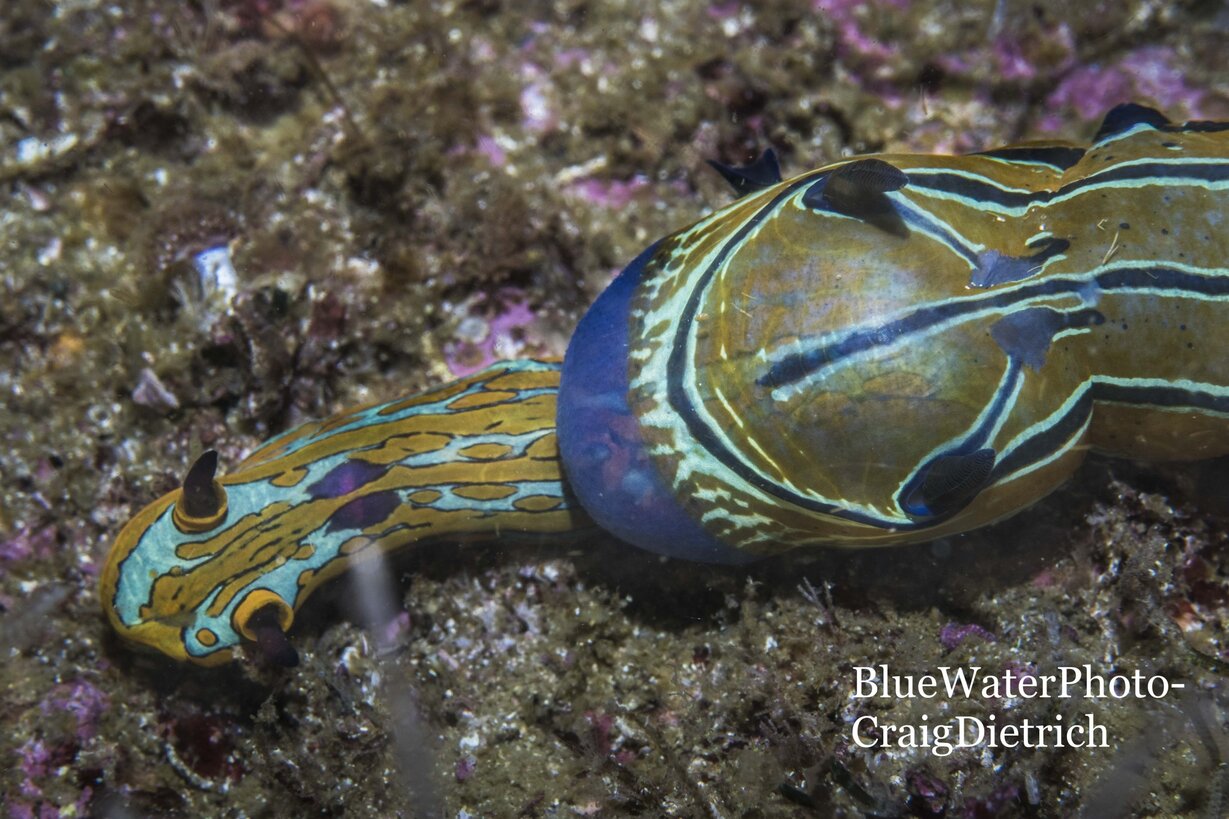
It doesn't just stop there as the Sea of Cortez is also a perfect place to practice your macro photography skills. You will get to see nice varieties of nudibranchs, Panamic arrow crabs, Pacific seahorses, jawfish, small and big octopuses, frogfish, and blennies.
The boat will depart from Puerto Peñasco at 6 pm on Saturday and then travel for 12 hours to arrive the next morning for a 7 am dive. You will be diving 3-4 times per day on this trip. Here's a sample day-by-day itinerary of this trip:
Day 1 - Embark at 5 pm in Puerto Peñasco. Depart at 6 pm
Day 2 - Wake up at Refugio Bay on Angel Island
Potential Dive sites: Angel Rock, La Vela, Lolo’s Cove, Sunset Zodiak Cruise with Sea Lions
Day 3 - Angel Island
Potential Dive sites: Andrea’s Eagle, El Aquario, Las Vivoras, Las Vivoras including a night dive
Day 4 - San Pedro Martir Potential Dive sites: El Arroyo, Punta Martir (Sea Lions), Chayo’s Cove
Day 5 - San Pedro Martir
Potential Dive sites: Ravijunco, Xareni’s Pinnacle, Coromel, Morrito, in the afternoon we go looking for whales!
Day 6 - Salsipuedes & Animas
Potential Dive sites: Los Cuervos, El Caballo, In Animas, El Lavadero, El Lavadero including a night dive
Day 7 - Baja and Snorkeling with Whale Sharks in Bahia De Los Angeles
Potential Dive sites: El Pescador, Baja Ca., start heading back to Puerto Penasco in afternoon
The Sea of Cortez, dubbed "The World's Aquarium," offers encounters with sea lions, whale sharks, and schooling fish. Diving includes rocky reefs, wrecks, and pelagic encounters.
Water Temperature: 22–28°C (72–82°F)
Visibility: 15–30 meters (50–100 feet)
Depth Range: 5–30 meters (16–98 feet)
Diving Difficulty: Beginner to Advanced; conditions vary by site
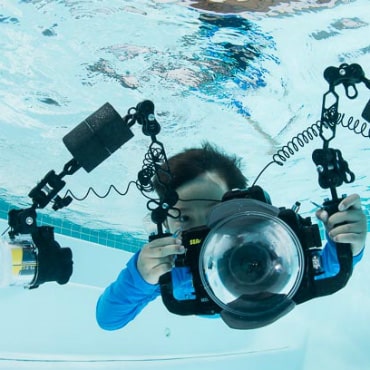
This trip is a PHOTOGRAPHY WORKSHOP. It will be led by one of our photo instructors who will provide daily instructional tutorials, in-water photography support (when appropriate), and one-to-one advice and guidance, as required. Each workshop offers a bespoke syllabus, crafted by the trip leader and detailed on the trip webpage. While our Photography Workshops are aimed at divers with an interest in underwater photography, anyone is welcome to join.
Bluewater's Sea of Cortez workshop with Nirupam Nigam is our favourite workshop for new photo & video shooters. Guests will have the opportunity to photograph the world's smallest critters - from nudibranchs to signal blennies, as well as the world's largest - sea lions and whale sharks.
This workshop will include 5.5 days of photo and video instruction including 5 x 60-minute presentations as well as 2 x 30-minute image review sessions and an underwater photo contest. Teaching will take the form of PowerPoint presentations, informal group discussions, 1-on-1 training, streaming live demonstrations (e.g., using programs like Lightroom), and underwater help.
Intruductory Topics (Days 1 & 2):
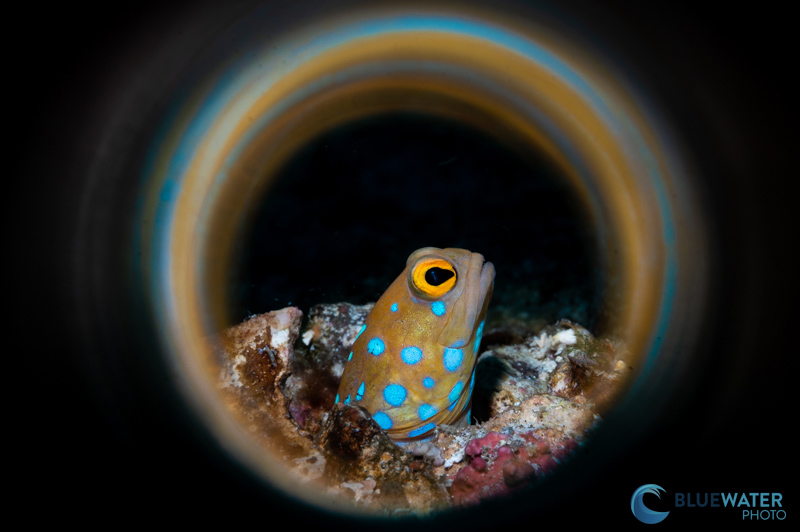
Introduction to the Sea of Cortez's top wildlife encounters: This introduction will go over our favourite subjects we can find to photograph and capture on video in the Midriff Islands. Nirupam will go over his top tips for photographing each subject and describe a little of their natural history and habitat. Subjects include blue spotted jawfish, orange throat pike blennies, signal blennies, sea lions, whale sharks, and more!
Introduction to Underwater Photography: This class is Nirupam's grand introduction to the hobby of underwater photography. He will cover essential information from the phenomenon of light attenuation to the triangle of exposure to underwater composition and strobe positioning. This class can sometimes span over 2 days.
Intermediate Topics (Days 3 & 4):
Underwater Lighting Demonstration: This is a short class that will cover general positions for both underwater strobe and video lights with a single light source or dual light sources. Nirupam will cover both wide-angle and macro photography as well as what to do in difficult conditions with limited visibility or white sand.
Introduction to Macro Photography (short class): This class introduces students to the concept of a macro lens and subject. It covers ideas for lighting, composition, and creative tools of the trade. Nirupam will talk about how to photograph signal blennies, blue-spotted jawfish, nudibranchs, and more macro subjects.
Introduction to Wide-Angle Photography (short class): This class introduces students to wide-angle lenses, photographing reefscapes, sea lions, and dome port optics. It covers ideas for composition and lighting as well as different techniques for photographing the sea lions of the Midriff Islands.
Adobe Lightroom - the Full Spectrum: This is the largest class of the workshop. Nirupam's Adobe Lightroom class includes the full spectrum of use for underwater photography including importing images, using the star rating system and sorting, creating collections, basic underwater editing, backscatter removal, and new AI masking tools/denoise/sharpen. As a follow-up, students will have the opportunity for 1-on-1 lightroom instruction in the evenings. Introduction to Underwater Video: The time we spend on underwater video is subject to change depending on how many underwater videographers there are in the group. Our introduction to underwater video can include topics from GoPro underwater video to the triangle of exposure for shooting video to codecs and post-processing. This class is catered to the individual video shooters of the group.
Advanced Topics (Days 5 & 6):
Macro Underwater Video: It can be very difficult to capture macro video underwater. This class demonstrates how to select focus and stabilize your video while lighting up your shot. Nirupam covers the use of tripods, in-camera stabilization modes, and frame rates/resolution. Snoot Photography and Creative Macro Lighting: Underwater snoots are devices that reduce the beam width from your strobe to isolate your subject - often producing black backgrounds. This class includes a demonstration of using snoots and ideas for creative macro lighting. Nirupam will talk about tools including colour filters and magic tubes.
Photographing Whale Sharks (Short Class): Whale sharks move a lot quicker than they look! This class is designed to show you how to use automatic camera modes like shutter priority and aperture priority to change your settings quickly and accurately when photographing whale sharks.
Photographing Sea Lions (Short Class): Sea Lions are a lot of fun to play with but can be frustrating to photograph! This class goes over my recommended lighting techniques, autofocus techniques, and settings for getting great detail and colour in your sea lion photos.
During dives, Nirupam will be offering underwater help to provide lighting and triangle of exposure settings advice to the best of my abilities while we dive. Unless there are strong currents, he will be available by request to anyone. He will also be available underwater to anyone who is having camera issues and can try to fix any problems that are occurring underwater. Nirupam will be available for 1-on-1 advice throughout the workshop and will have open sessions in the evenings before bed to help with lightroom and any questions that people have.
About the Rocio Del Mar
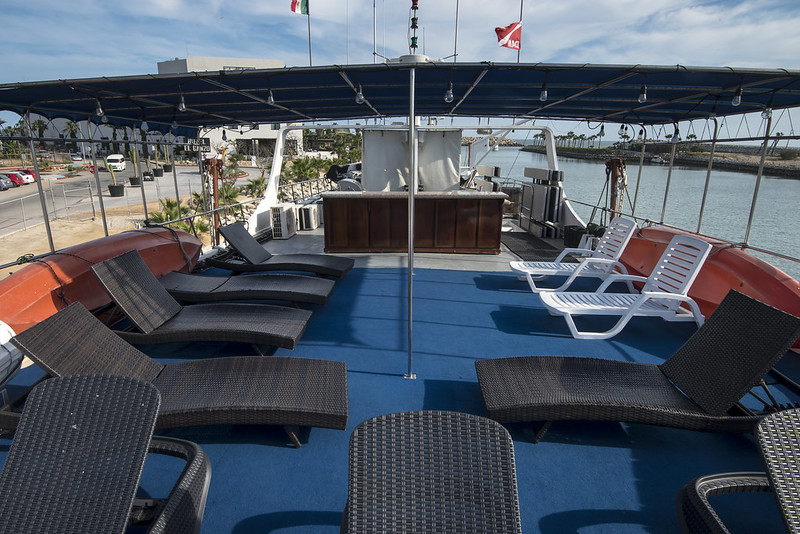
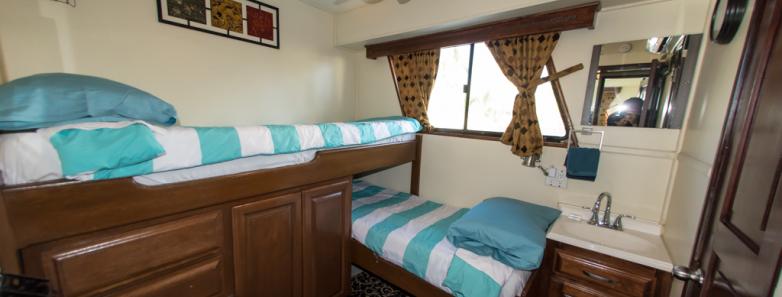
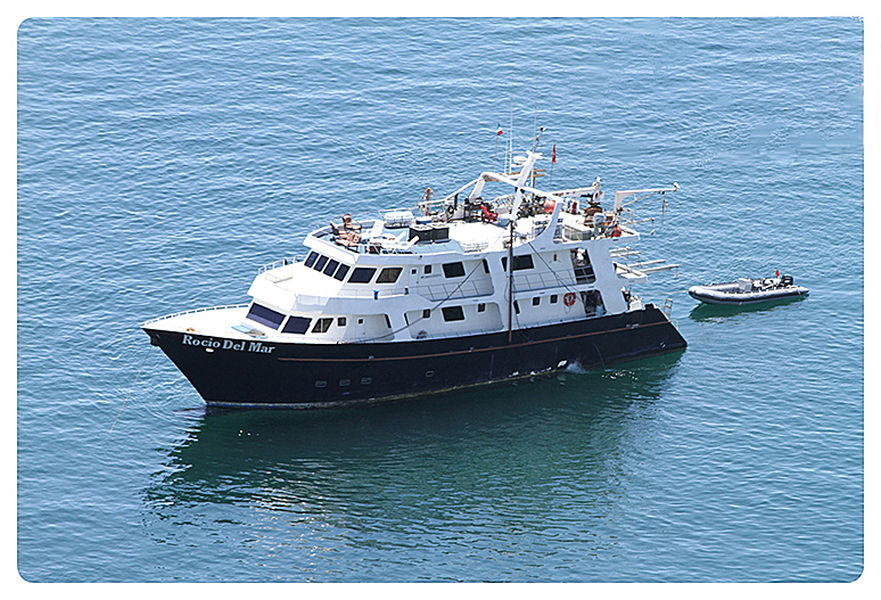
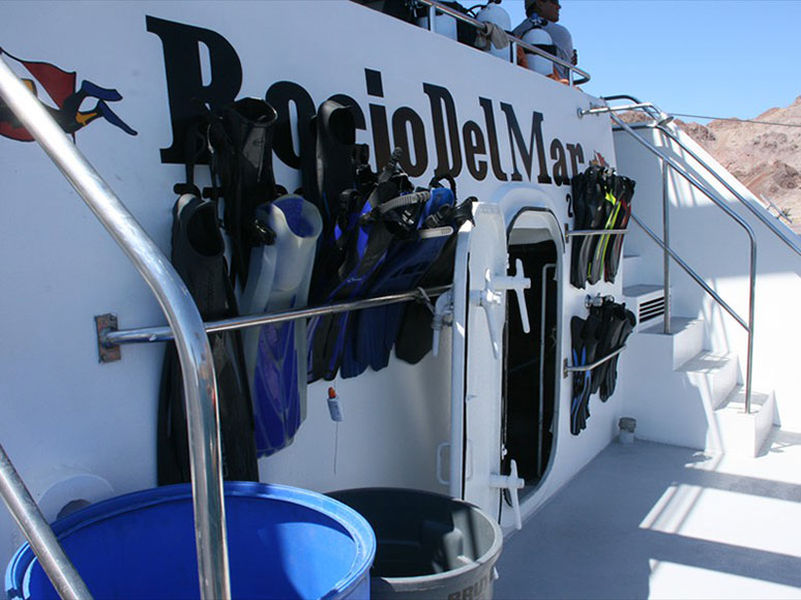
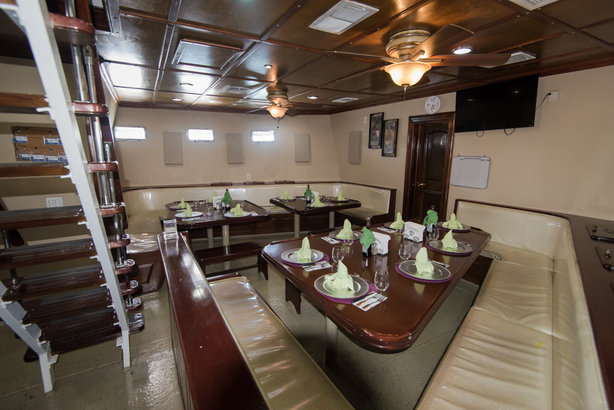
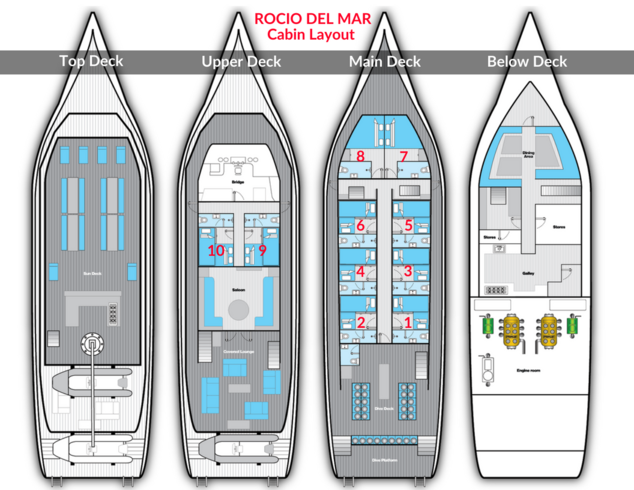
Rocio Del Mar is one of the most popular liveaboards sailing in the area, offering excellent service and fantastic food. There are 10 cabins for up to a maximum of 20 divers, all offering private bathrooms with hot shower stalls, Western-style toilets, and above-height windows. Cabins are carpeted and have air-conditioning, plus convenient gear and clothes storage drawers beneath the beds.
Check out this page to see more details and customer reviews on the Rocio Del Mar.
Nirupam Nigam is a dedicated underwater photographer and fisheries scientist. While growing up in Los Angeles he fell in love with the ocean and pursued underwater photography in Southern California's Channel Islands. He received degrees in Aquatic and Fisheries Science and General Biology, as well as a minor in Arctic Studies, at the University of Washington. He spent some time as a fisheries observer on fishing vessels in the Bering Sea and North Pacific, collecting data for NOAA. When he is not at sea, he is traveling with his wife and taking photos.
Trip attendees will fly in and out of Phoenix, Arizona, which is the closest international airport. You should fly in on Saturday morning and arrive before 11 am. For return flights, book anytime after 2 pm.
Head Out To Rocky Point offers a shuttle service to and from the Phoenix Sky Harbor Airport and takes you directly to the boat. It takes approximately 3.5-4 hours. The cost is $150 per person, round trip. All passengers will be picked up at the Phoenix Sky Harbor Airport at 1pm, Terminal 4, Door 5 outside on the far side of the street. The shuttles are clearly marked Head Out To Rocky Point. The shuttle will stop at the border so passengers can purchase Mexico Tourist Cards. If you choose to stay at a hotel the evening prior, be sure to be back at the airport by 12:30 so you can comfortably get to the shuttle departure area by 1pm. On disembarkation day the shuttle departs the boat at 7am.
Our group trips attract guests from all over the globe and many of our customers prefer to book their own flights to take advantage of mileage points or credit card discounts. For these reasons, flights are not included in our group trip packages.
However, we are more than happy to work with you to find the best travel itinerary for your trip and will gladly give suggestions and advice, even if you make the final booking. We will check through your travel reservations at any time to ensure they fit with the trip schedule and can give recommendations on transit hotels and day tours where needed.
If you would like us to book flights and transit hotels for domestic and/or international travel on your behalf, we are also happy to arrange this. Please be advised that there is a ticketing fee for this service. Contact Us for more information.
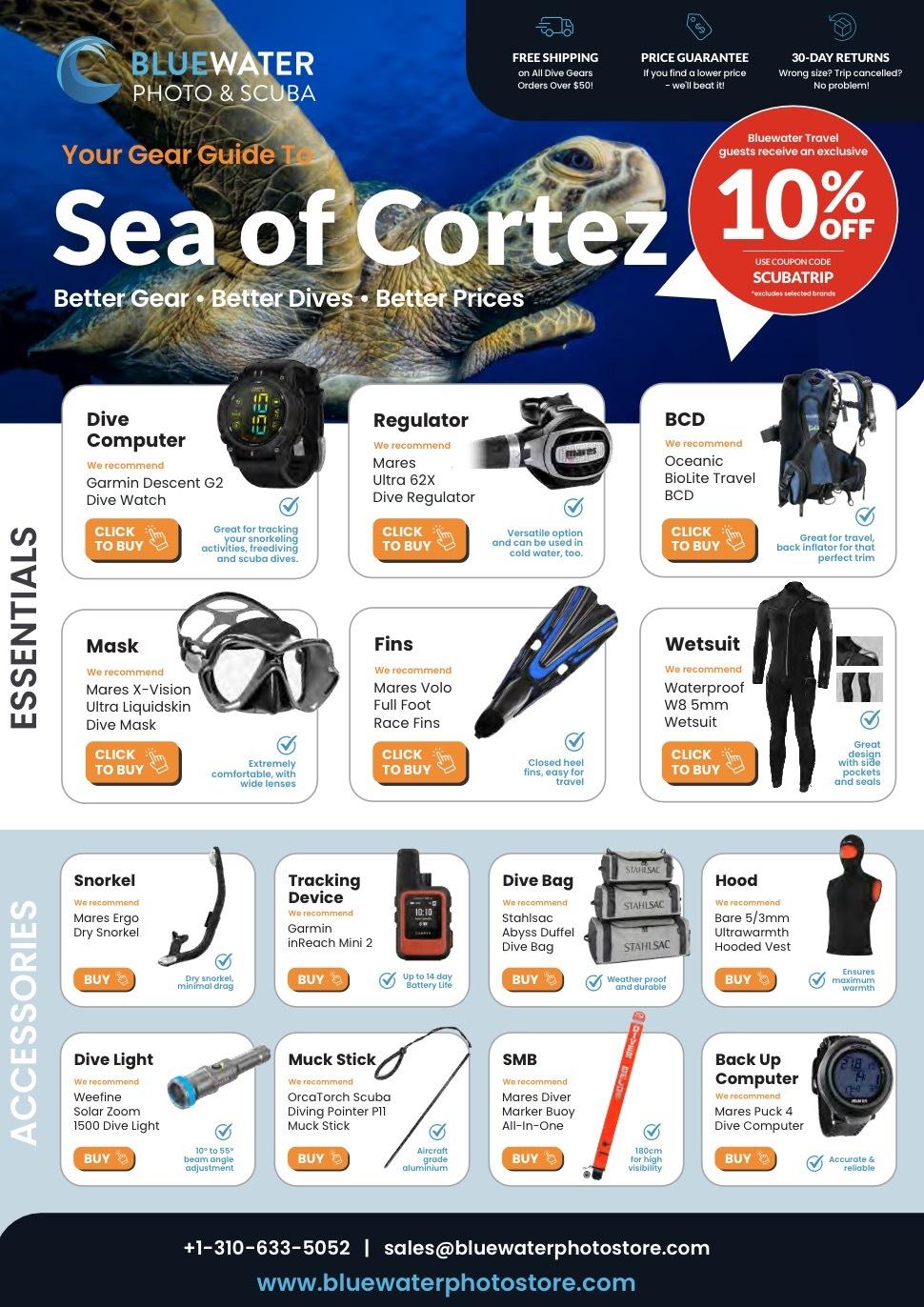
5mm Wetsuit.Waterproof W7 5mm wetsuit. This suit has a great design with side pockets and wrist and ankle seals. The front zip makes donning and doffing easy.
Diving in the Sea of Cortez offers encounters with whale sharks, sea lions, hammerheads, manta rays, and vibrant reefs All being large ocean animals, it is advised to set your gear up for wide angle photography.
We recommend the Weefine WFH07 underwater housing, which caters for most smartphones. Add a Weefine tray for more control, and you will be ready to go.
With fast moving subjects, large subjects, autofocus is the key. The Sony A7RV is an incredible camera with superb autofocus. Placed in a Nauticam NA-A7RV underwater housing with Nauticam’s superb wet optics (WACP-1b) will be your best option to get your bucket list image. Paired with a pair of YS-D3 II strobes from Sea & Sea will be the best lighting option with fast recycle rates.
This trip offers a great combination of big animals and fascinating macro life. There's always something for everyone. Plus, it's really easy to get to being only a 4-hour drive from Phoenix, AZ.
The Sea of Cortez is home to sea lions, whale sharks, manta and mobula rays, dolphins, and huge schools of fish. Sperm whales, pilot whales, and dolphins are also commonly spotted.
It doesn't just stop there as the Sea of Cortez is also a perfect place to practice your macro photography skills. You will get to see nice varieties of nudibranchs, Panamic arrow crabs, Pacific seahorses, jawfish, small and big octopuses, frogfish, and blennies.
The boat will depart from Puerto Peñasco at 6 pm on Saturday and then travel for 12 hours to arrive the next morning for a 7 am dive. You will be diving 3-4 times per day on this trip. Here's a sample day-by-day itinerary of this trip:
Day 1 - Embark at 5 pm in Puerto Peñasco. Depart at 6 pm
Day 2 - Wake up at Refugio Bay on Angel Island
Potential Dive sites: Angel Rock, La Vela, Lolo’s Cove, Sunset Zodiak Cruise with Sea Lions
Day 3 - Angel Island
Potential Dive sites: Andrea’s Eagle, El Aquario, Las Vivoras, Las Vivoras including a night dive
Day 4 - San Pedro Martir Potential Dive sites: El Arroyo, Punta Martir (Sea Lions), Chayo’s Cove
Day 5 - San Pedro Martir
Potential Dive sites: Ravijunco, Xareni’s Pinnacle, Coromel, Morrito, in the afternoon we go looking for whales!
Day 6 - Salsipuedes & Animas
Potential Dive sites: Los Cuervos, El Caballo, In Animas, El Lavadero, El Lavadero including a night dive
Day 7 - Baja and Snorkeling with Whale Sharks in Bahia De Los Angeles
Potential Dive sites: El Pescador, Baja Ca., start heading back to Puerto Penasco in afternoon
The Sea of Cortez, dubbed "The World's Aquarium," offers encounters with sea lions, whale sharks, and schooling fish. Diving includes rocky reefs, wrecks, and pelagic encounters.
Water Temperature: 22–28°C (72–82°F)
Visibility: 15–30 meters (50–100 feet)
Depth Range: 5–30 meters (16–98 feet)
Diving Difficulty: Beginner to Advanced; conditions vary by site
This trip is a PHOTOGRAPHY WORKSHOP. It will be led by one of our photo instructors who will provide daily instructional tutorials, in-water photography support (when appropriate), and one-to-one advice and guidance, as required. Each workshop offers a bespoke syllabus, crafted by the trip leader and detailed on the trip webpage. While our Photography Workshops are aimed at divers with an interest in underwater photography, anyone is welcome to join.
Bluewater's Sea of Cortez workshop with Nirupam Nigam is our favourite workshop for new photo & video shooters. Guests will have the opportunity to photograph the world's smallest critters - from nudibranchs to signal blennies, as well as the world's largest - sea lions and whale sharks.
This workshop will include 5.5 days of photo and video instruction including 5 x 60-minute presentations as well as 2 x 30-minute image review sessions and an underwater photo contest. Teaching will take the form of PowerPoint presentations, informal group discussions, 1-on-1 training, streaming live demonstrations (e.g., using programs like Lightroom), and underwater help.
Intruductory Topics (Days 1 & 2):
Introduction to the Sea of Cortez's top wildlife encounters: This introduction will go over our favourite subjects we can find to photograph and capture on video in the Midriff Islands. Nirupam will go over his top tips for photographing each subject and describe a little of their natural history and habitat. Subjects include blue spotted jawfish, orange throat pike blennies, signal blennies, sea lions, whale sharks, and more!
Introduction to Underwater Photography: This class is Nirupam's grand introduction to the hobby of underwater photography. He will cover essential information from the phenomenon of light attenuation to the triangle of exposure to underwater composition and strobe positioning. This class can sometimes span over 2 days.
Intermediate Topics (Days 3 & 4):
Underwater Lighting Demonstration: This is a short class that will cover general positions for both underwater strobe and video lights with a single light source or dual light sources. Nirupam will cover both wide-angle and macro photography as well as what to do in difficult conditions with limited visibility or white sand.
Introduction to Macro Photography (short class): This class introduces students to the concept of a macro lens and subject. It covers ideas for lighting, composition, and creative tools of the trade. Nirupam will talk about how to photograph signal blennies, blue-spotted jawfish, nudibranchs, and more macro subjects.
Introduction to Wide-Angle Photography (short class): This class introduces students to wide-angle lenses, photographing reefscapes, sea lions, and dome port optics. It covers ideas for composition and lighting as well as different techniques for photographing the sea lions of the Midriff Islands.
Adobe Lightroom - the Full Spectrum: This is the largest class of the workshop. Nirupam's Adobe Lightroom class includes the full spectrum of use for underwater photography including importing images, using the star rating system and sorting, creating collections, basic underwater editing, backscatter removal, and new AI masking tools/denoise/sharpen. As a follow-up, students will have the opportunity for 1-on-1 lightroom instruction in the evenings. Introduction to Underwater Video: The time we spend on underwater video is subject to change depending on how many underwater videographers there are in the group. Our introduction to underwater video can include topics from GoPro underwater video to the triangle of exposure for shooting video to codecs and post-processing. This class is catered to the individual video shooters of the group.
Advanced Topics (Days 5 & 6):
Macro Underwater Video: It can be very difficult to capture macro video underwater. This class demonstrates how to select focus and stabilize your video while lighting up your shot. Nirupam covers the use of tripods, in-camera stabilization modes, and frame rates/resolution. Snoot Photography and Creative Macro Lighting: Underwater snoots are devices that reduce the beam width from your strobe to isolate your subject - often producing black backgrounds. This class includes a demonstration of using snoots and ideas for creative macro lighting. Nirupam will talk about tools including colour filters and magic tubes.
Photographing Whale Sharks (Short Class): Whale sharks move a lot quicker than they look! This class is designed to show you how to use automatic camera modes like shutter priority and aperture priority to change your settings quickly and accurately when photographing whale sharks.
Photographing Sea Lions (Short Class): Sea Lions are a lot of fun to play with but can be frustrating to photograph! This class goes over my recommended lighting techniques, autofocus techniques, and settings for getting great detail and colour in your sea lion photos.
During dives, Nirupam will be offering underwater help to provide lighting and triangle of exposure settings advice to the best of my abilities while we dive. Unless there are strong currents, he will be available by request to anyone. He will also be available underwater to anyone who is having camera issues and can try to fix any problems that are occurring underwater. Nirupam will be available for 1-on-1 advice throughout the workshop and will have open sessions in the evenings before bed to help with lightroom and any questions that people have.
About the Rocio Del Mar
Rocio Del Mar is one of the most popular liveaboards sailing in the area, offering excellent service and fantastic food. There are 10 cabins for up to a maximum of 20 divers, all offering private bathrooms with hot shower stalls, Western-style toilets, and above-height windows. Cabins are carpeted and have air-conditioning, plus convenient gear and clothes storage drawers beneath the beds.
Check out this page to see more details and customer reviews on the Rocio Del Mar.
Nirupam Nigam is a dedicated underwater photographer and fisheries scientist. While growing up in Los Angeles he fell in love with the ocean and pursued underwater photography in Southern California's Channel Islands. He received degrees in Aquatic and Fisheries Science and General Biology, as well as a minor in Arctic Studies, at the University of Washington. He spent some time as a fisheries observer on fishing vessels in the Bering Sea and North Pacific, collecting data for NOAA. When he is not at sea, he is traveling with his wife and taking photos.
Trip attendees will fly in and out of Phoenix, Arizona, which is the closest international airport. You should fly in on Saturday morning and arrive before 11 am. For return flights, book anytime after 2 pm.
Head Out To Rocky Point offers a shuttle service to and from the Phoenix Sky Harbor Airport and takes you directly to the boat. It takes approximately 3.5-4 hours. The cost is $150 per person, round trip. All passengers will be picked up at the Phoenix Sky Harbor Airport at 1pm, Terminal 4, Door 5 outside on the far side of the street. The shuttles are clearly marked Head Out To Rocky Point. The shuttle will stop at the border so passengers can purchase Mexico Tourist Cards. If you choose to stay at a hotel the evening prior, be sure to be back at the airport by 12:30 so you can comfortably get to the shuttle departure area by 1pm. On disembarkation day the shuttle departs the boat at 7am.
Our group trips attract guests from all over the globe and many of our customers prefer to book their own flights to take advantage of mileage points or credit card discounts. For these reasons, flights are not included in our group trip packages.
However, we are more than happy to work with you to find the best travel itinerary for your trip and will gladly give suggestions and advice, even if you make the final booking. We will check through your travel reservations at any time to ensure they fit with the trip schedule and can give recommendations on transit hotels and day tours where needed.
If you would like us to book flights and transit hotels for domestic and/or international travel on your behalf, we are also happy to arrange this. Please be advised that there is a ticketing fee for this service. Contact Us for more information.
5mm Wetsuit.Waterproof W7 5mm wetsuit. This suit has a great design with side pockets and wrist and ankle seals. The front zip makes donning and doffing easy.
Diving in the Sea of Cortez offers encounters with whale sharks, sea lions, hammerheads, manta rays, and vibrant reefs All being large ocean animals, it is advised to set your gear up for wide angle photography.
We recommend the Weefine WFH07 underwater housing, which caters for most smartphones. Add a Weefine tray for more control, and you will be ready to go.
With fast moving subjects, large subjects, autofocus is the key. The Sony A7RV is an incredible camera with superb autofocus. Placed in a Nauticam NA-A7RV underwater housing with Nauticam’s superb wet optics (WACP-1b) will be your best option to get your bucket list image. Paired with a pair of YS-D3 II strobes from Sea & Sea will be the best lighting option with fast recycle rates.







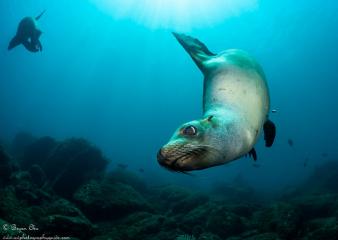
 Nirupam Nigam is a dedicated underwater photographer and fisheries scientist. While growing up in Los Angeles he fell in love with the ocean and pursued underwater photography in Southern California's Channel Islands. He received degrees in Aquatic and Fisheries Science and General Biology, as well as a minor in Arctic Studies, at the University of Washington. He spent some time as a fisheries observer on fishing vessels in the Bering Sea and North Pacific, collecting data for NOAA. When he is not at sea, he is traveling with his wife and taking photos.