Underwater Photography in Dumaguete: Critters, Reefs and the Right Kit
Posted by Chris Haysey on March 9th, 2026

Dumaguete is one of those places where you genuinely have to ration your shutter presses. A single 60‑minute dive on the Dauin coast can throw up three species of frogfish, a blue‑ringed octopus and a flamboyant cuttlefish, with a few dozen nudibranchs in between. Add Apo Island’s hard‑coral slopes and turtles into the mix and it becomes very clear why Dumaguete keeps turning up in our trip reports, our underwater photography guides and on Bluewater Photo wishlists.
As a destination, it sits in that sweet spot where you can shoot serious macro in the morning, wide‑angle reefs in the afternoon, and still be back at a comfortable resort bar for a drink and a card download by sunset. For a lot of our guests, Atmosphere Resorts & Spa has become the default base here; for underwater photographers specifically, it makes a lot of sense.
If you want to dig into the diving itself, start with Bluewater Travel's Dumaguete destination guide.
And for an indulgent version of the trip, have a look at the Luxury Philippines Escape to Dumaguete group trip.


Why Dumaguete Works So Well for Underwater Photography
If you strip it down to the basics, Dumaguete gives you three big advantages as a shooter:
• Ridiculous macro subject density
• Reliable diving conditions that let you repeat shots and refine techniques
• Easy access to a classic reefs, turtles and wide angle opportunities at Apo Island
On the Dauin coast, the black‑sand slopes and rubble patches look unremarkable at first glance. Then you drop in with a local guide who has been staring at that sand for fifteen years and suddenly every square metre contains something: ornate ghost pipefish, tiny frogfish, skeleton shrimp, juvenile filefish, all lit up beautifully against the dark background.
In our 2019 and 2023 Dumaguete trip reports we called the area “one of the most forgiving macro classrooms in the Philippines” – not because the subjects are easy, but because they are so plentiful that you can make mistakes, adjust, and immediately try again on something equally good. The 2024 and 2025 reports say much the same thing in different words: this is where people come back from a week’s diving with memory cards that actually force them to sit down and curate.
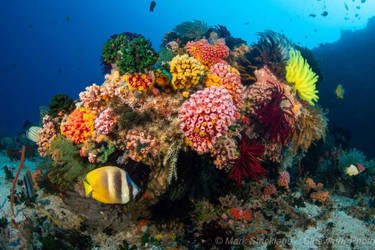
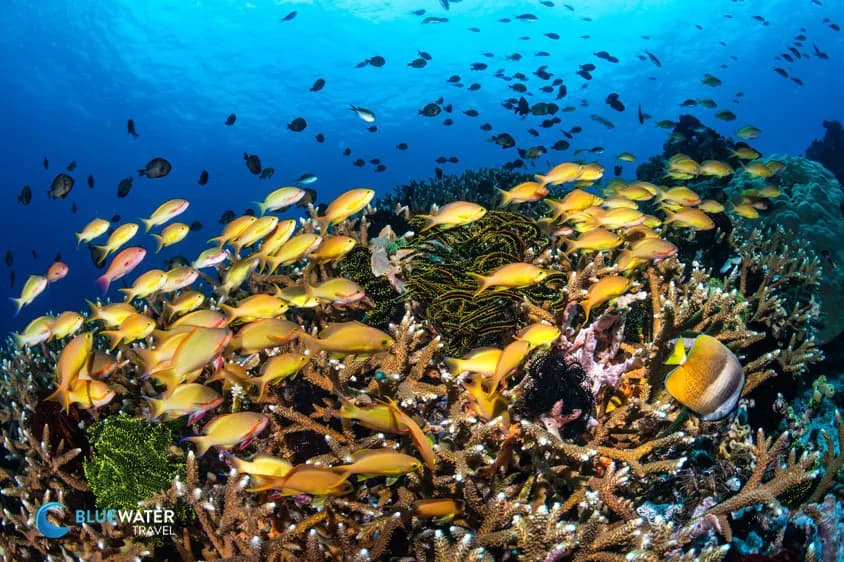
Then there is Apo Island. It is the knob of wide‑angle on top of a very macro‑heavy sundae: hard‑coral gardens, ridges of branching coral, clouds of anthias and chromis, and turtles that are almost bored of being models. That contrast matters, because it lets you genuinely use both halves of your kit bag rather than leaving a lens in the room all week.
Typical Macro Subjects and How To Approach Them
On a standard five or seven‑day trip you can realistically expect to see:
• Several species of frogfish (painted, warty, hairy in season)
• Ghost pipefish – ornate, robust and relatives
• Seahorses, both common and thorny
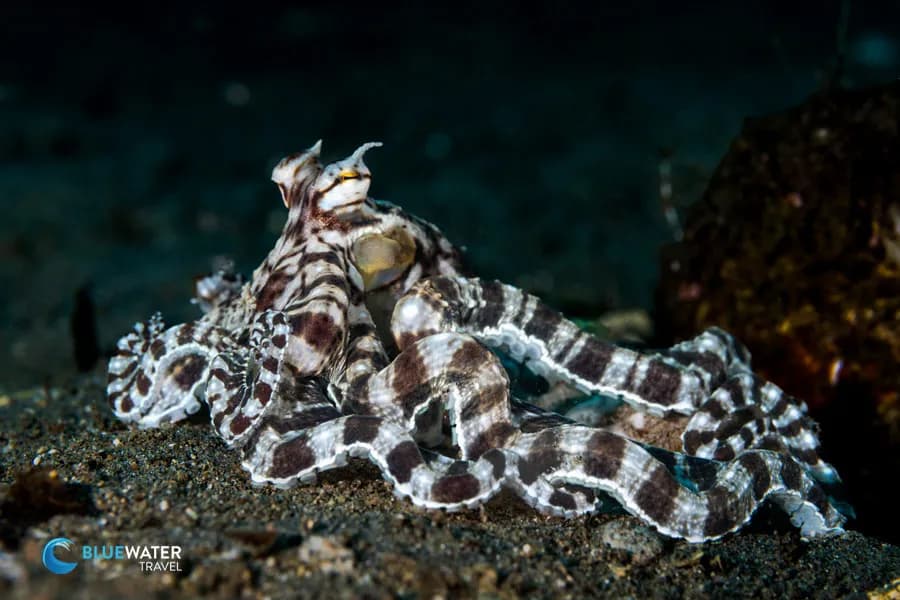
• Blue‑ringed and mimic octopus (never guaranteed, but seen very regularly on our trips)
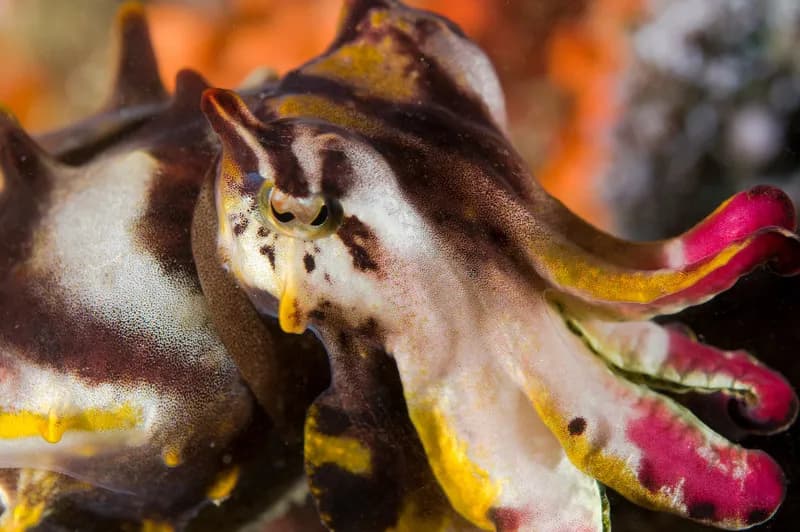
• Flamboyant cuttlefish and their eggs
• An archive of nudibranchs in every colour range you can imagine
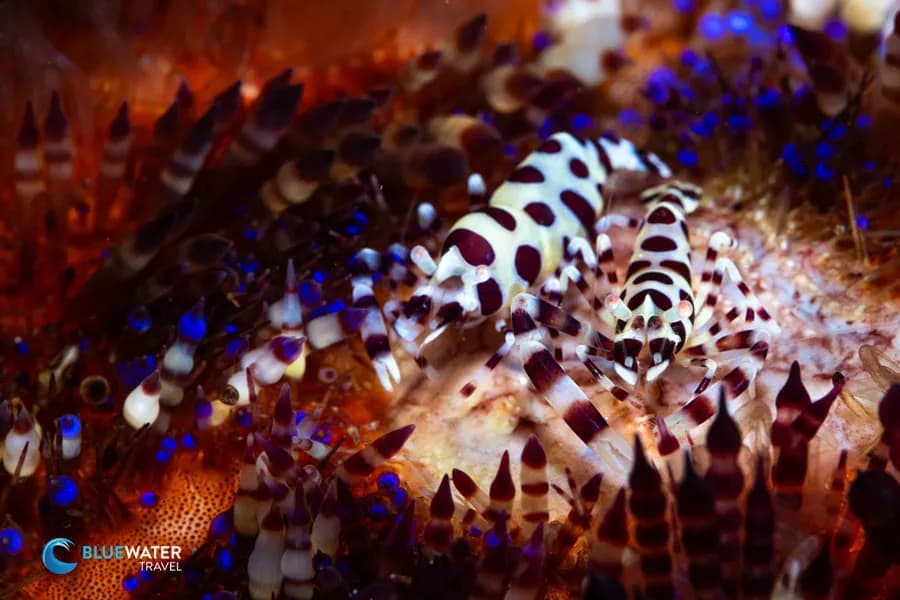
• Shrimps and crabs in crinoids, soft corals and anemones
• Jawfish, pipefish, dragonets, and the usual sandy‑slope specialists
From a technique point of view, Dumaguete rewards the basics done properly rather than endless tinkering. The Underwater Photography Guide’s general advice for macro in the tropics holds up perfectly here:
• Use manual exposure on the camera
•Keep your shutter speed high enough to control ambient light and freeze your subject (often around 1/160–1/250)
•Set your aperture between f/11 and f/22 depending on the depth of field you want. Remember that with macro photography, you can really play around with your aperture. The lower the f stop (wider the aperture), the more background blur, or bokeh, you have.
You will find the core principles laid out clearly on the Underwater Photography Guide.
• Watch your finning more than your histogram. Some of the best critter sites have very fine volcanic sand that lifts with the slightest kick. We have had more than one guest line up the perfect hairy frogfish shot, only to watch a cloud of their own silt roll in and ruin the next five minutes. If there is one destination where you should practise frog‑kicks and helicopter turns, this is it.
• Use backlighting and snoots early in the trip, not “when I have time”. The density of subjects makes Dumaguete one of the best places anywhere to practise off‑camera lighting. If you use a snoot like the Marelux SOFT Lite V2 (the “ferrari of snoots”), Backscatter Mini Flash and Optical Snoot, or even a home‑made fibre‑optic contraption, do it on dive one, not day four. Once you see a blue‑ringed octopus or flamboyant cuttlefish lit cleanly against a black background, you will not go back.
• Limit yourself to a couple of “target” subjects per dive. With so much going on it is very easy to spend ten minutes on everything and master nothing. Several of our trip leaders have started setting themselves rules such as “this dive is nudibranch backlighting only” or “this dive is frogfish portraits only” to force themselves to slow down and refine. The hit rate improves enormously.
One comment from our 2023 trip report sticks with me:
“I shot fewer frames per dive than usual, but kept more of them. The guides would find a subject, then give us time to actually work it.”
Recommended Camera Gear for Dumaguete
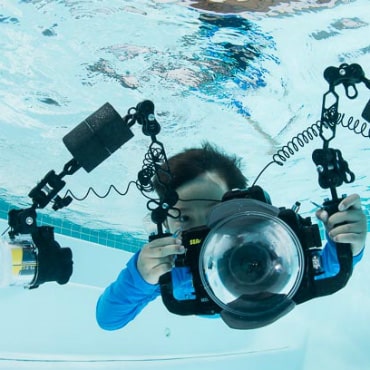
You do not need exotic kit to come home from Dumaguete with serious images, but the destination definitely rewards a coherent set‑up.
For compact shooters (TG‑series, RX100 etc.):
• A wet macro lens is almost essential (except for the OM System TG-7). The usual suspects – such as the Bluewater +7, Nauticam CMC‑1 or CMC‑2, or Inon UCL‑165 – all work well. Bluewater Photo has a good comparison of macro diopters and what they are suited to.
• A single strobe is enough to start, but two give you more control for backlighting and side‑lighting. In the store you will see a lot of our staff and trip leaders recommending models like the Ikelite Ecko, Inon S‑220, or Sea & Sea YS‑D3 Duo for this sort of work.
• A focus light with a red mode helps with skittish subjects like shrimp and blennies. Check out our very own, super cool Bluewater 1500 focus light!
For APS-C and Full Frame shooters:
• A 60 mm macro (on a full frame camera) gives you a shorter working distance and typically focuses quicker. It’s easier to start with, but if you want more working distance so you don’t scare skittish subjects, consider a longer focal length lens like the Nikon Z 105mm macro, Canon RF 100mm macro, Sony 100mm macro.
• For small nudibranchs and super‑macro work, consider pairing that longer focal length macro lens (like the Nikon 105mm) with a high‑power wet or dry diopter. The Bluewater Photo store has a “Supermacro” section that is essentially written for places like Dauin. We recommend the Kraken or Weefine +13 diopter or the Kraken or Weefine +22 diopter for those who are adventurous.
• Two strobes, angled out and slightly back, work well in the black sand to avoid hot spots. In many cases we are shooting with strobes on arms set roughly in line with the port, then feathering them outwards a touch.
From experience, two things people are often glad they upgraded before Dumaguete are:
Their fins – precise control in that black sand is easier with good, responsive fins rather than soft rental blades.
Wide‑Angle at Apo Island: Lenses and Settings
It is easy to get so hypnotised by the macro that you forget Apo Island exists. That would be a shame. On a clear day, Apo gives you:
• Huge hard‑coral gardens in very good condition
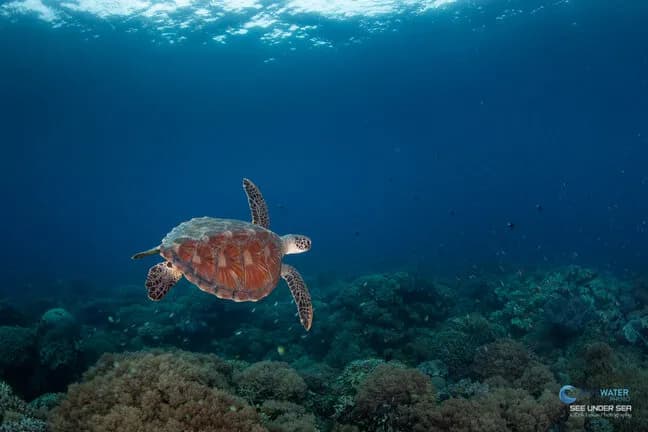
• Turtles that will quite happily let you shoot from a metre away
• Ridgelines of coral with sunlight filtering down through shoals of anthias

From a kit point of view:
• Compact shooters should bring a wide‑angle wet lens (Fantasea UWL-09F, Inon UWL‑H100, Nauticam WWL‑1/WWL‑C or similar).
Settings wise, the Underwater Photography Guide’s general recommendation for wide‑angle in clear tropical water holds up:
• Shutter speed around 1/125–1/200
In real life, what has worked on our last few Atmosphere‑based trips is something like ISO 200, 1/160, f/11, then tweak from there. For turtle portraits, drop your strobes a touch, bring them slightly backward to avoid backscatter in the water column, and watch your angle – eye level or slightly below beats a downward view every time.
Several guests on our 2024 and 2025 trips commented that they got some of their favourite ever turtle shots at Apo. It is not unusual to have a turtle settle in on a coral head, ignore you completely, and let you work through half a dozen compositions in one dive.
Where To Stay: Atmosphere Resorts & Spa
From a photography point of view, Atmosphere Resorts & Spa makes life easy:
• It sits right on the Dauin coast, with short boat rides to the muck sites.
• They know exactly why people come; there is a remarkably relaxed attitude to “one more dive” for those chasing that final blue‑ring or frogfish.
• The dive centre is used to dealing with photographers, housings and all the fuss that comes with them.
And for a more narrative, lifestyle take, this article captures the feel quite well
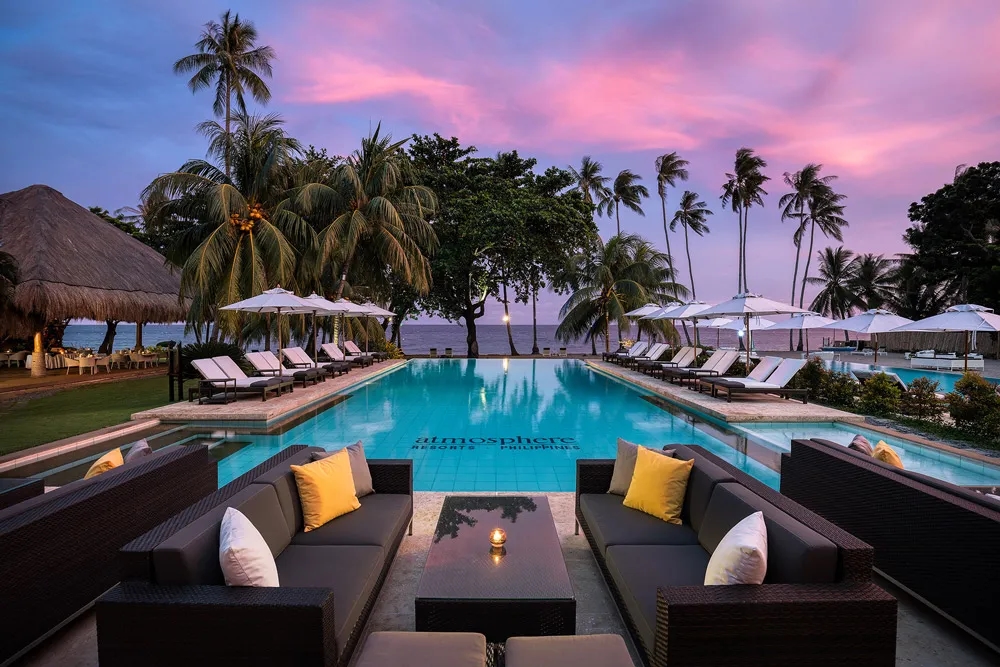
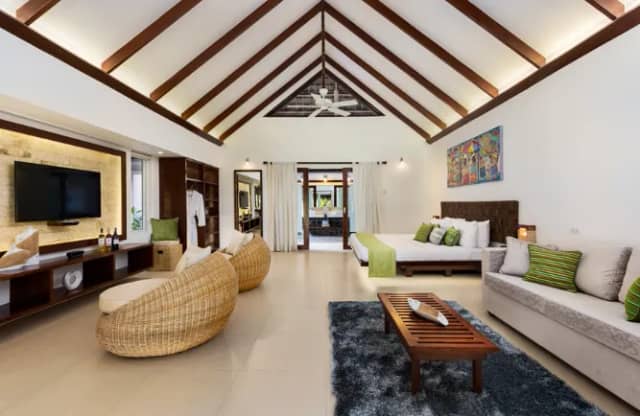
At the moment there is also a very solid up to 25% off special on Atmosphere through Bluewater Travel, which takes some of the sting out of long‑haul flights with several kilos of camera kit.
On the last few Bluewater group trips, we have had a mix of compact, mirrorless and DSLR shooters at Atmosphere, and the feedback has been remarkably consistent:
“It is the first place I have felt I could actually practise techniques rather than just collect ID shots.”
“The guides knew where to put me for the shot without ever touching the animals.”
“I filled more cards in one week than I have in two weeks elsewhere.”
None of that happens without good boats, sensible schedules and a dive team who understand that a nudibranch can be just as important as a manta if there is a dioptre on the port.
Using Bluewater Photo and the Underwater Photography Guide Before You Go
There are three Bluewater branches to keep in mind if you are planning Dumaguete as a photography trip:
• Bluewater Travel – to get you there, onto the right package, and in front of the right subjects at the right time.
In practical terms, a lot of our Dumaguete guests do the following:
1. Read the Dumaguete articles and trip reports to get a feel for sites and seasons:
2. Talk to Bluewater Photo & Scuba about a realistic kit list for the budget.
3. Brush up on technique on the Underwater Photography Guide – macro and super‑macro in particular.
Final Thoughts
If you are serious about underwater photography, Dumaguete is one of those destinations you should visit at least once, and preferably more than once. It has the subject density to reward patience, the variety to keep both macro and wide-angle shooters engaged, and the kind of reliable conditions that let you refine techniques instead of simply hoping for luck. A week here rarely feels like enough; most photographers leave with a full memory card, a list of shots they want to improve, and a quiet plan to come back and try again.