Underwater Photography With vs. Without a Strobe: Is a Strobe Worth It?
Posted by Courtney Sardihna on September 21st, 2026
Underwater Photography With vs. Without a Strobe: What Difference Does It Really Make?
I started underwater photography with a Canon EOS R10 in an Ikelite housing about two years ago. At the time, I wanted a camera that could give me professional-level results without jumping straight into one of the most expensive systems available, so Nirupam Nigam helped me choose the R10.
I was so excited to finally get a camera underwater that, in the beginning, anything I captured made me happy. I already loved photography topside, and I think part of me assumed that if I knew how to use a camera above water, underwater photography would come naturally too.
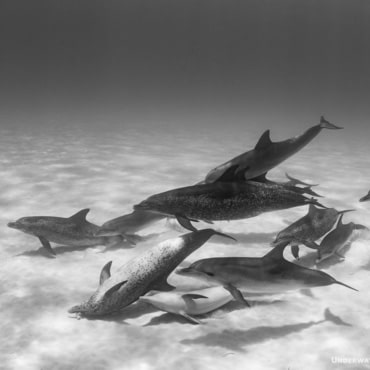
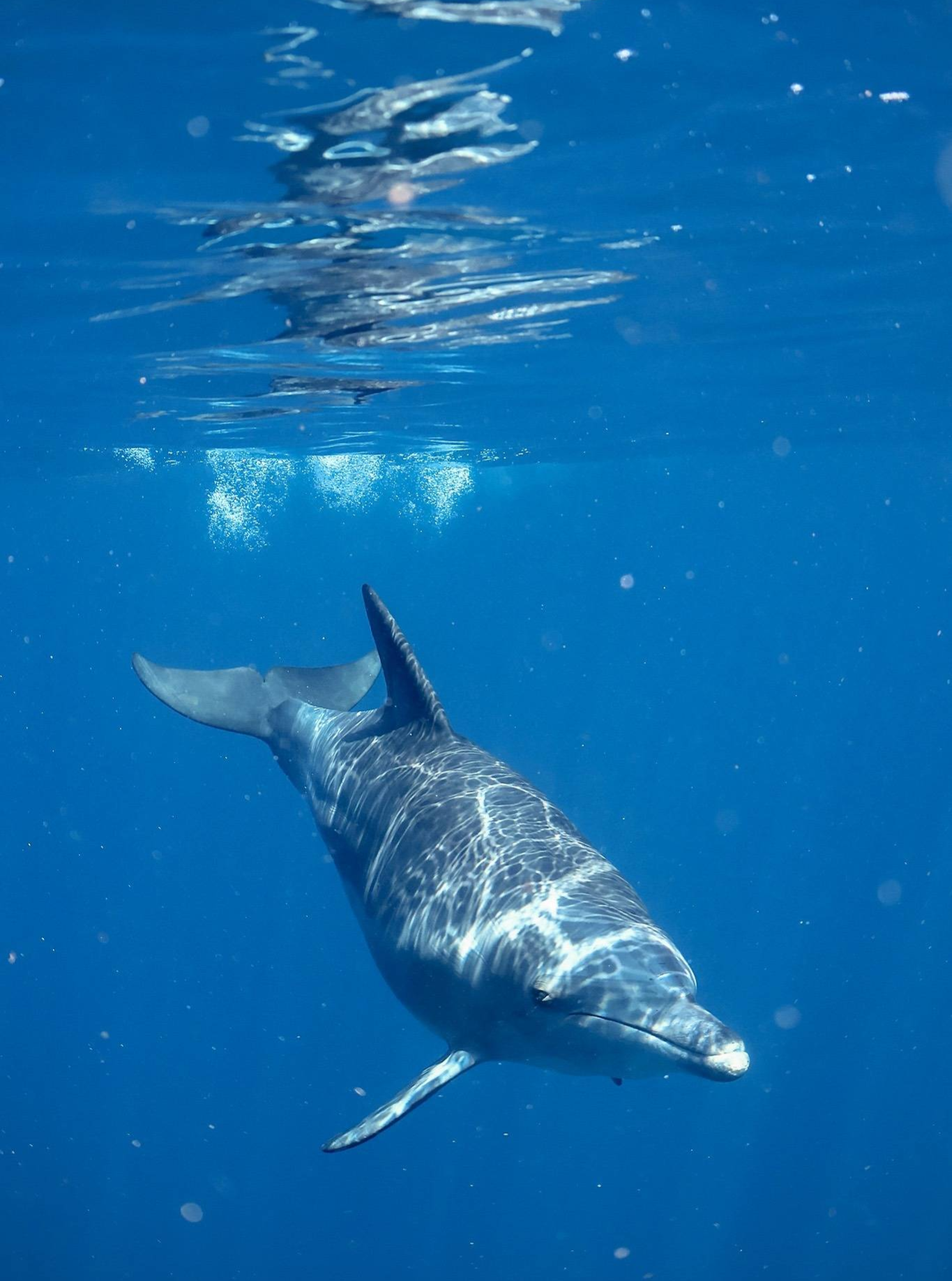
It did not. When I used the camera on snorkel trips, I was actually pretty happy with the results. I photographed dolphins in Ponta D'Ouro, Mozambique, and because we were close to the surface with plenty of natural light, there was still decent color in the images.
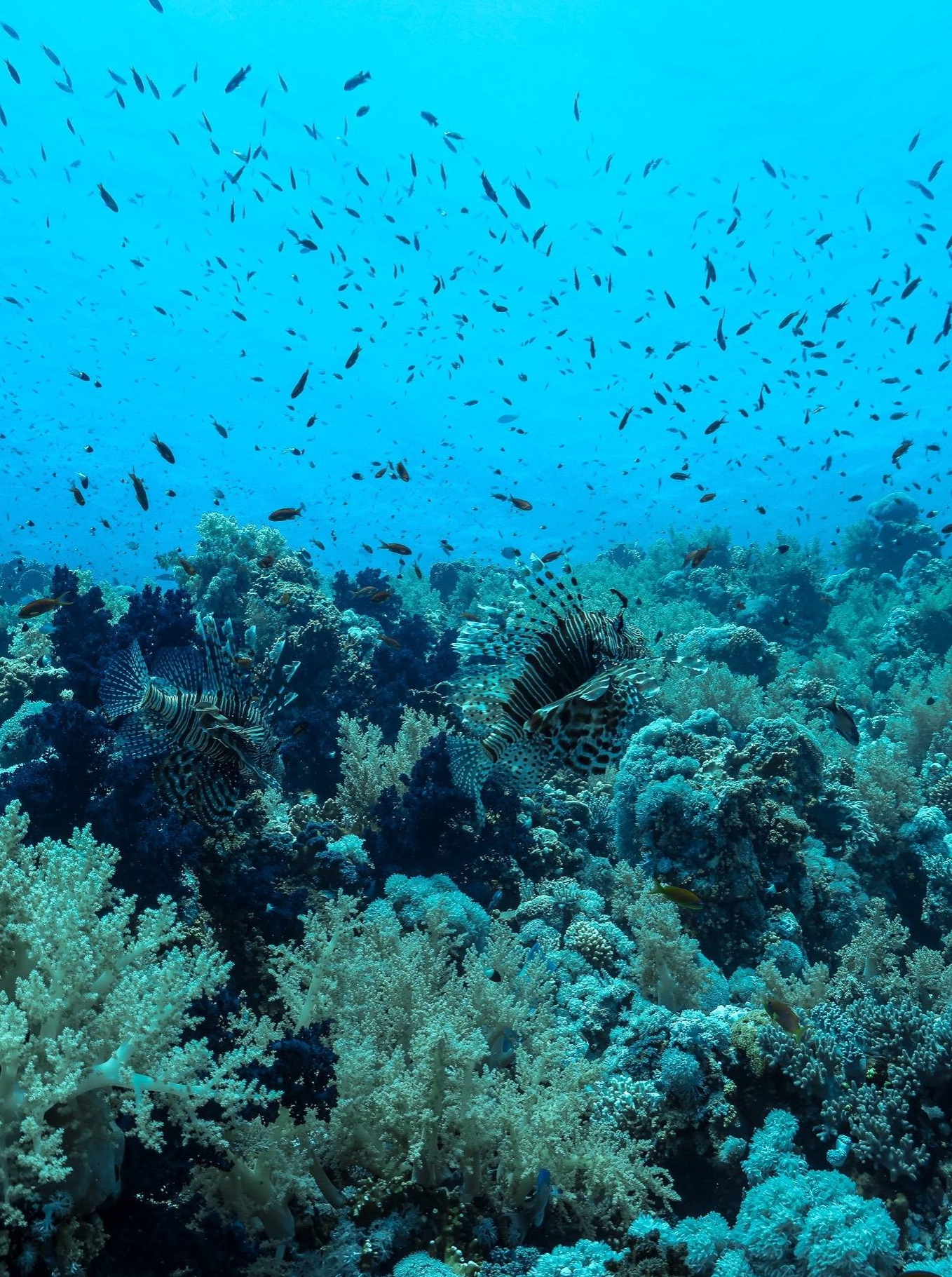
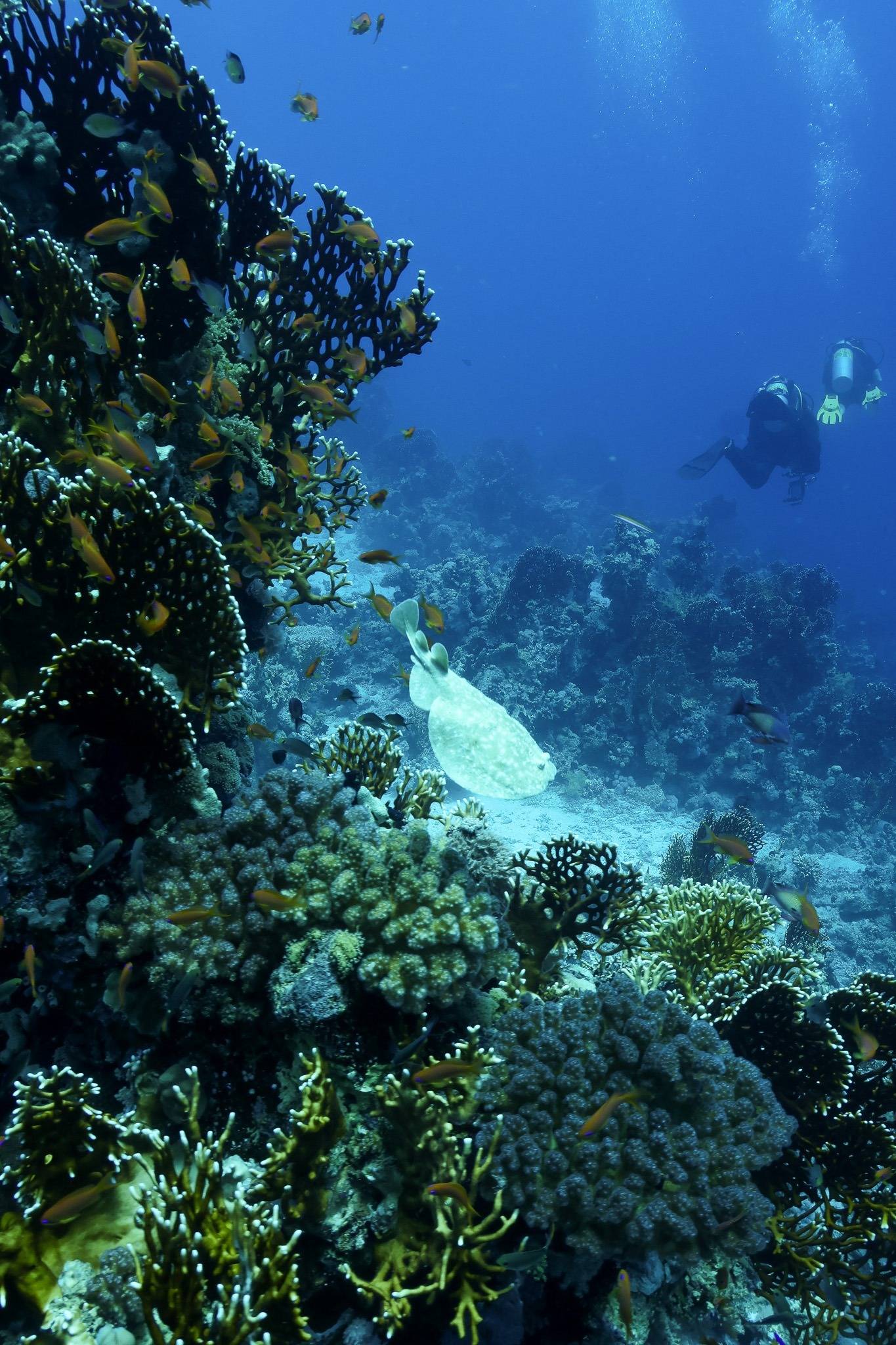
As soon as I started diving, though, everything changed. My photos were blue. Or green. Usually some strange combination of both. I took the camera diving in the Red Sea, surrounded by incredibly colorful coral and fish life, with beautiful visibility, and then got back to my computer wondering where all that color had gone. I had the same problem diving in Mozambique, and when the visibility wasn't particularly good, it almost felt pointless trying to use the camera without artificial light.
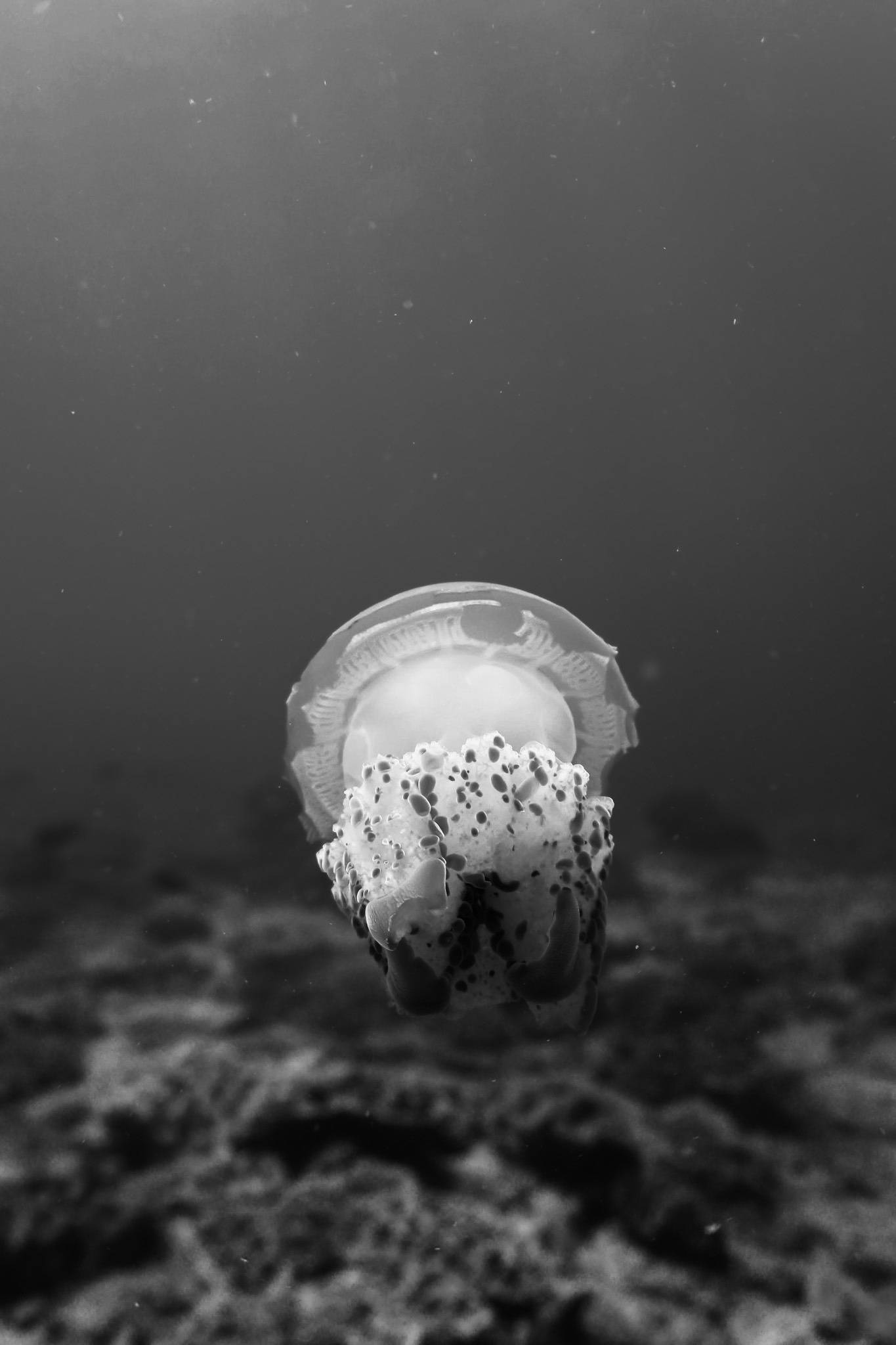
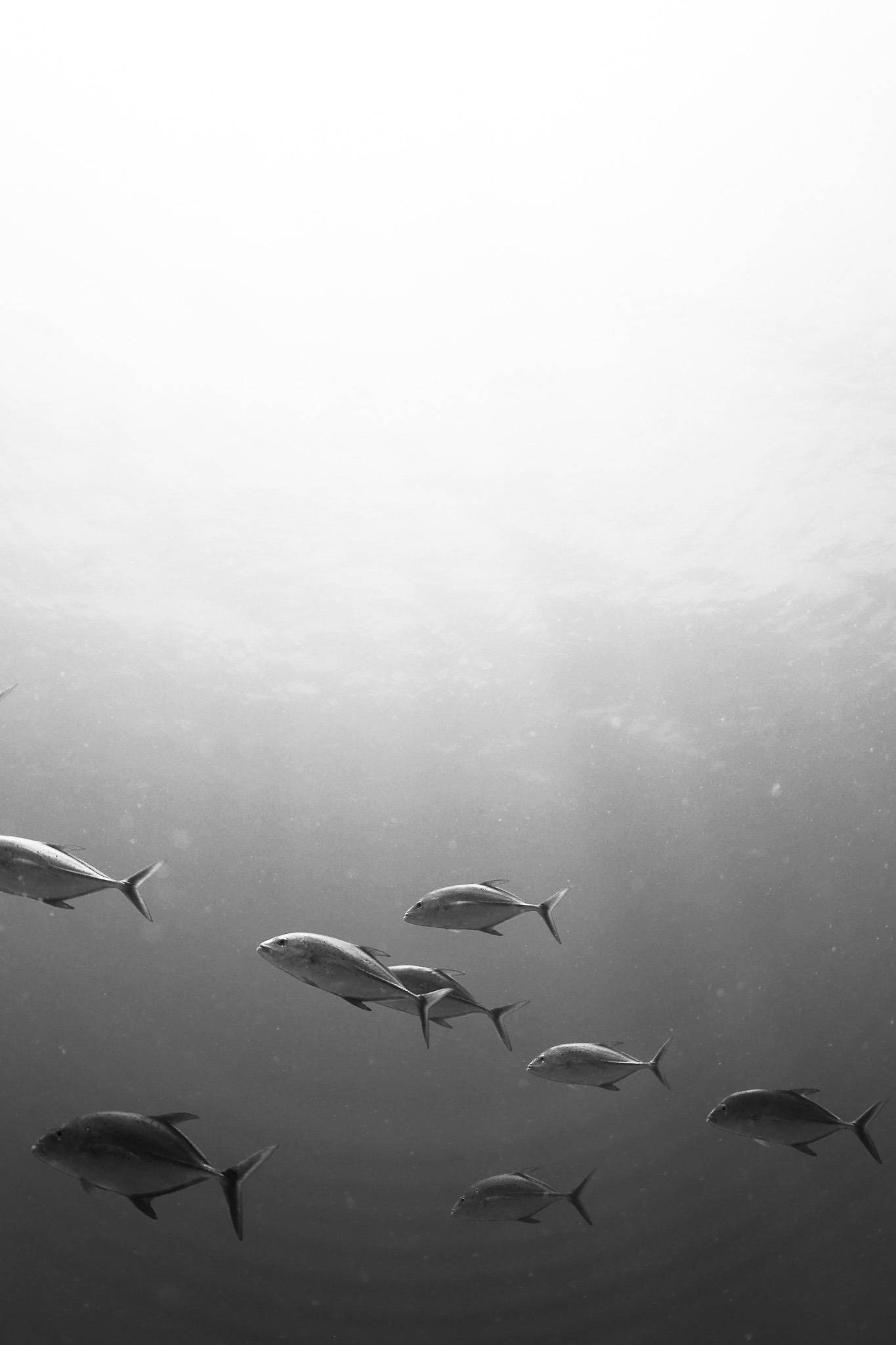
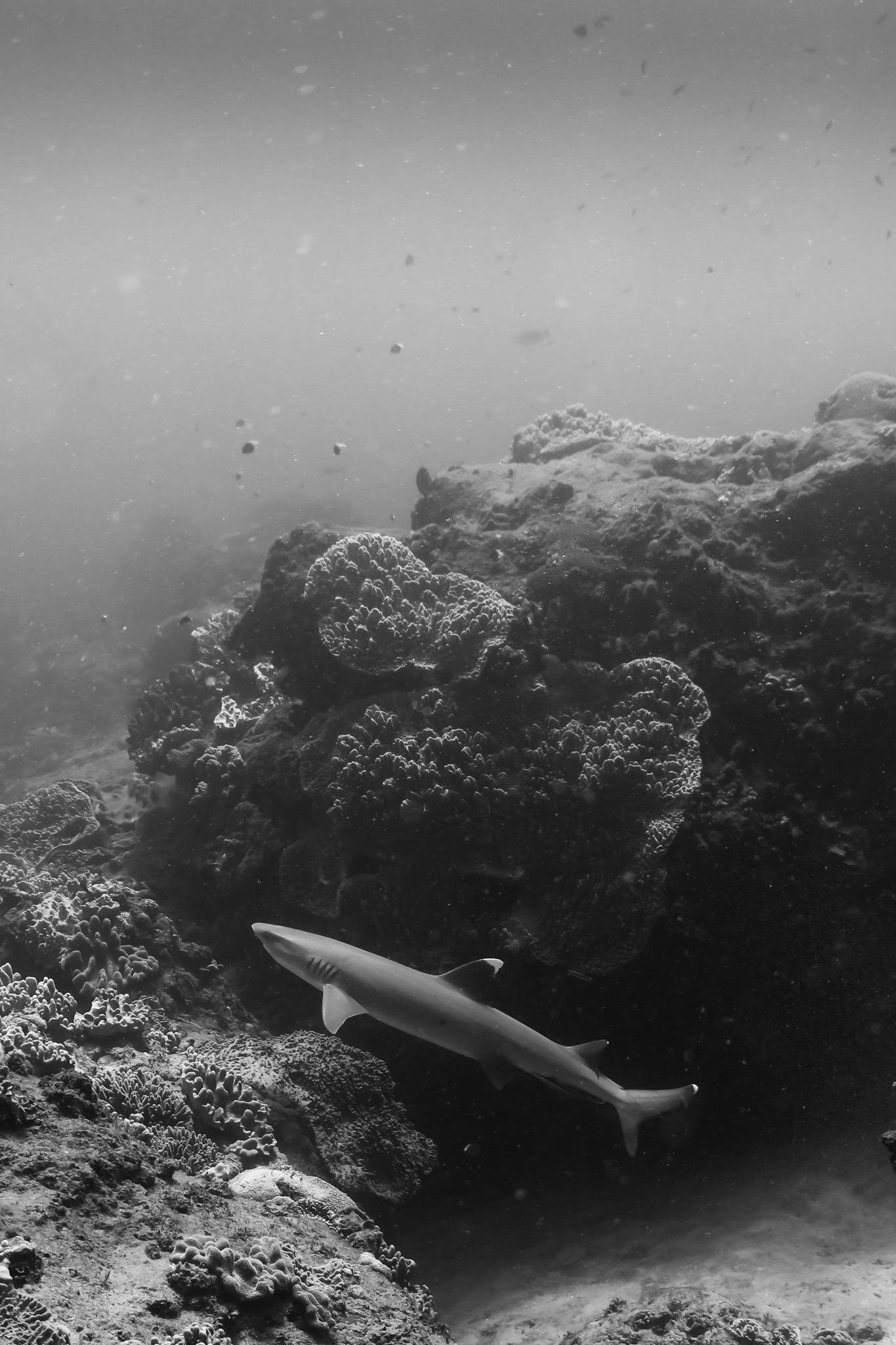
I spent hours trying to edit color back into images I liked, but it never really worked. Eventually, I started converting a lot of my favorite images to black and white because I liked the composition but hated the color. Most of the others just stayed on my hard drive.
For almost two years, everyone kept telling me I needed a strobe. I thought about buying one constantly, but underwater photography equipment is an investment and I wanted to make sure I was going to use it enough to justify the cost. Part of me also thought that maybe if I practiced enough, I'd eventually figure out how to get the results I wanted without one.
About a month ago, I finally decided to add one. Our Bluewater Photo team was meeting in Sodwana Bay, South Africa, and we were going to spend the week diving and doing underwater photography workshops with Nirupam. It felt like the perfect opportunity to finally invest in a strobe and actually learn how to use it - I decided to start with just one strobe.
After my first dive with it, I couldn't wipe the smile off my face. The team even joked that they were going to have to take the strobe away from me because I was WAY too excited.
Why Do Underwater Photos Lose Color?
One of the biggest differences between topside and underwater photography is the way light behaves in water. As sunlight travels through water, different wavelengths are absorbed. Reds disappear first, followed by oranges and yellows, which is why underwater scenes become increasingly blue or green as you descend.
That is also why something can look incredibly colorful to your eyes on a dive, but your camera records something completely different. Editing and white balance can help, but only to a point. You cannot fully recreate light and color that never reached the subject in the first place.
A strobe solves that problem by bringing its own light source underwater. That burst of artificial light illuminates your subject and brings back colors that would otherwise be lost. Once I saw that happen on the back of my camera for the first time, everything suddenly made sense.
What My Photos Looked Like without a Strobe:
Shooting without a strobe wasn't always impossible - near the surface, particularly while snorkeling, there was enough natural light that I could still get images I really liked. My dolphin swim photos from Ponta D'Ouro are a good example of that.
But the deeper the dive, the more difficult it became - the Red Sea was probably one of the most frustrating examples. The reefs were full of bright coral and colorful fish, but my images came back looking flat and green-blue. The frustrating part was that I could see how colorful everything was with my own eyes, but I couldn't get my camera to show it.
In Mozambique, when visibility wasn't as good, it became even more difficult. Lower light, suspended particles and no artificial lighting meant I often came away from dives feeling like I hadn't captured anything useful.
Editing afterward felt like an uphill battle. I would adjust white balance, tint and individual colors, but it always felt like I was trying to rescue something that wasn't really there.
My First Dive with a Strobe:
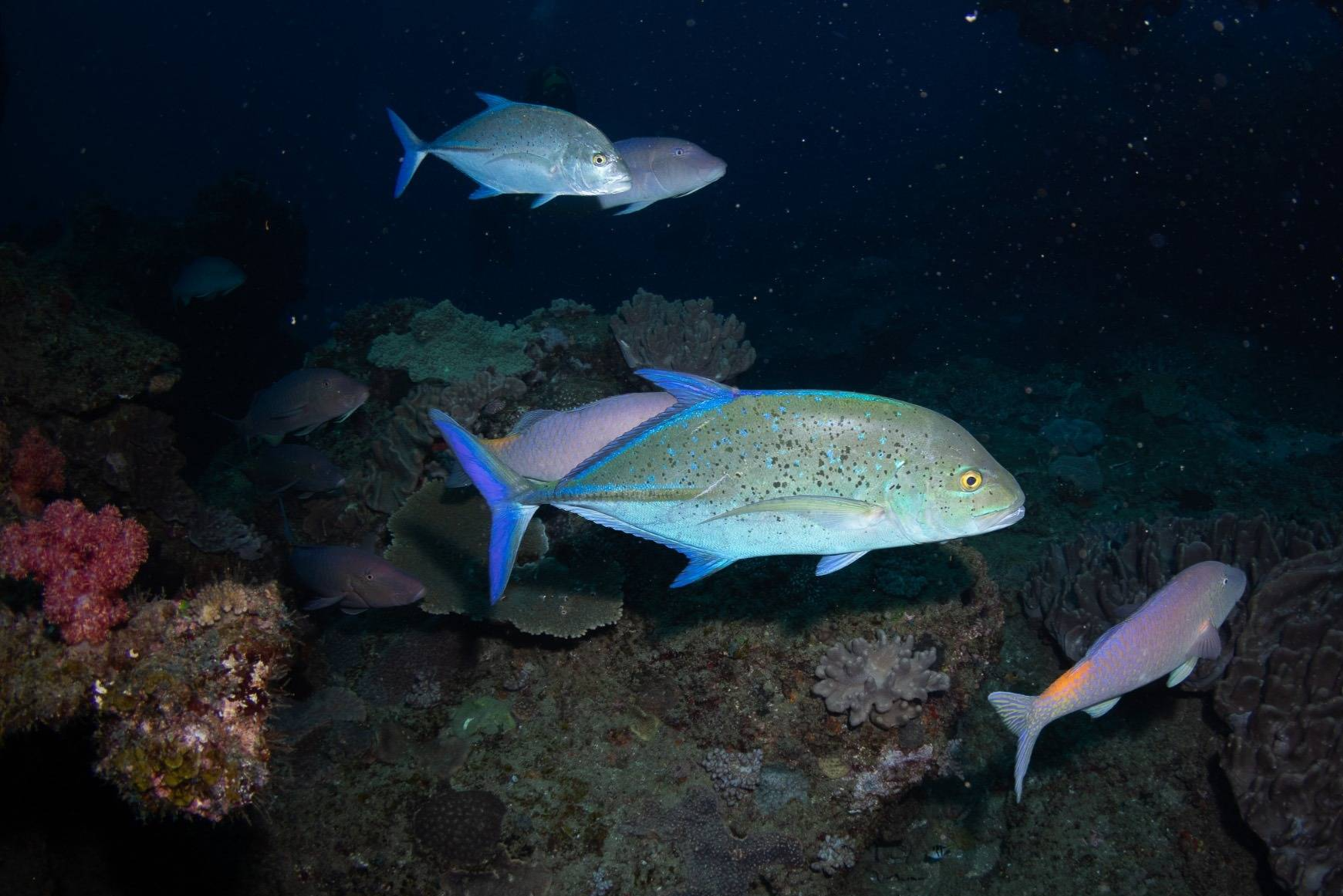
The biggest difference was COLOR. On the first dive of our Sodwana trip, Nirupam swam over to me within the first few minutes. I had taken maybe two photos at that point. He helped me adjust my settings, I took another image and looked at the back of my camera.
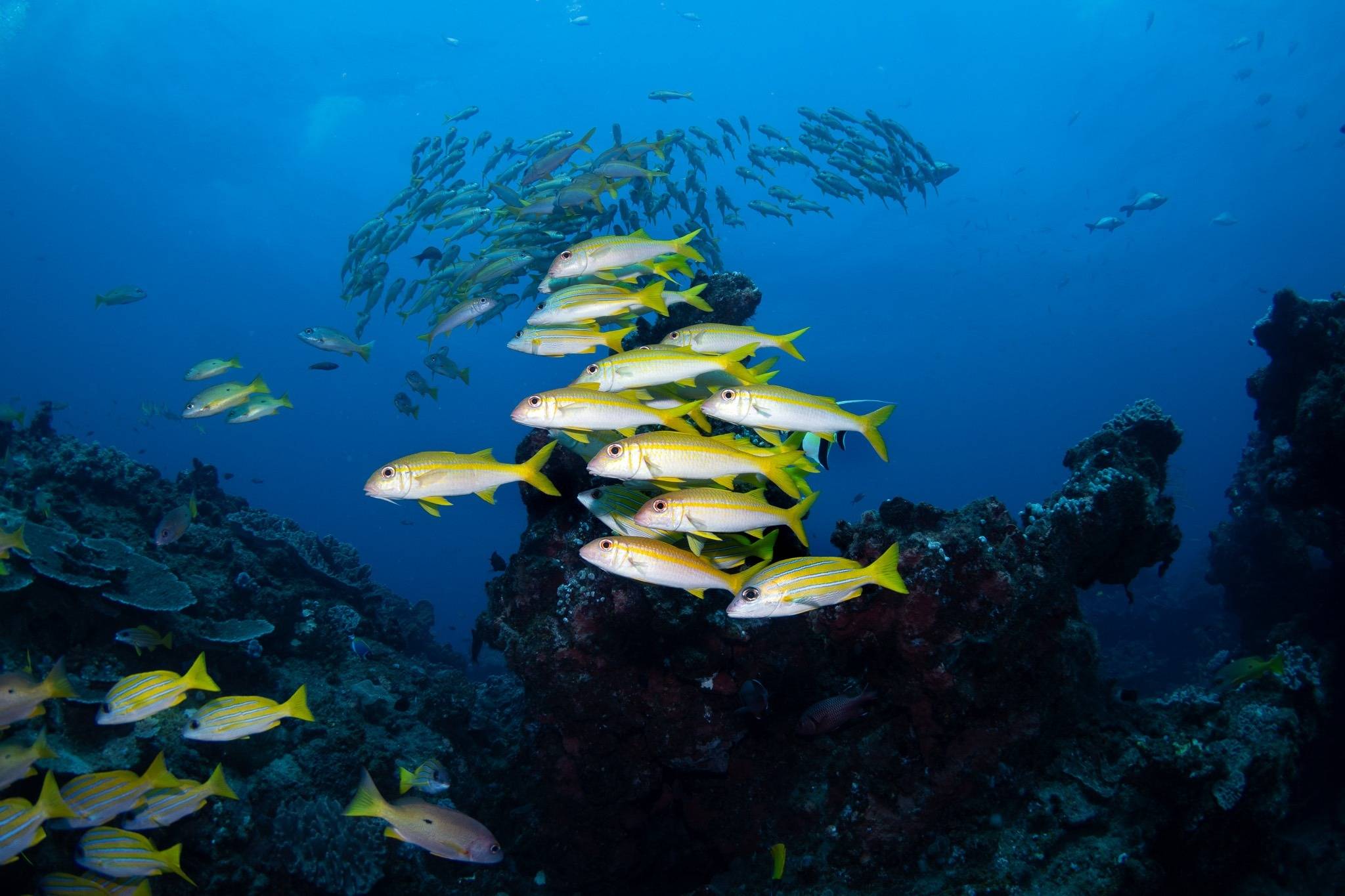
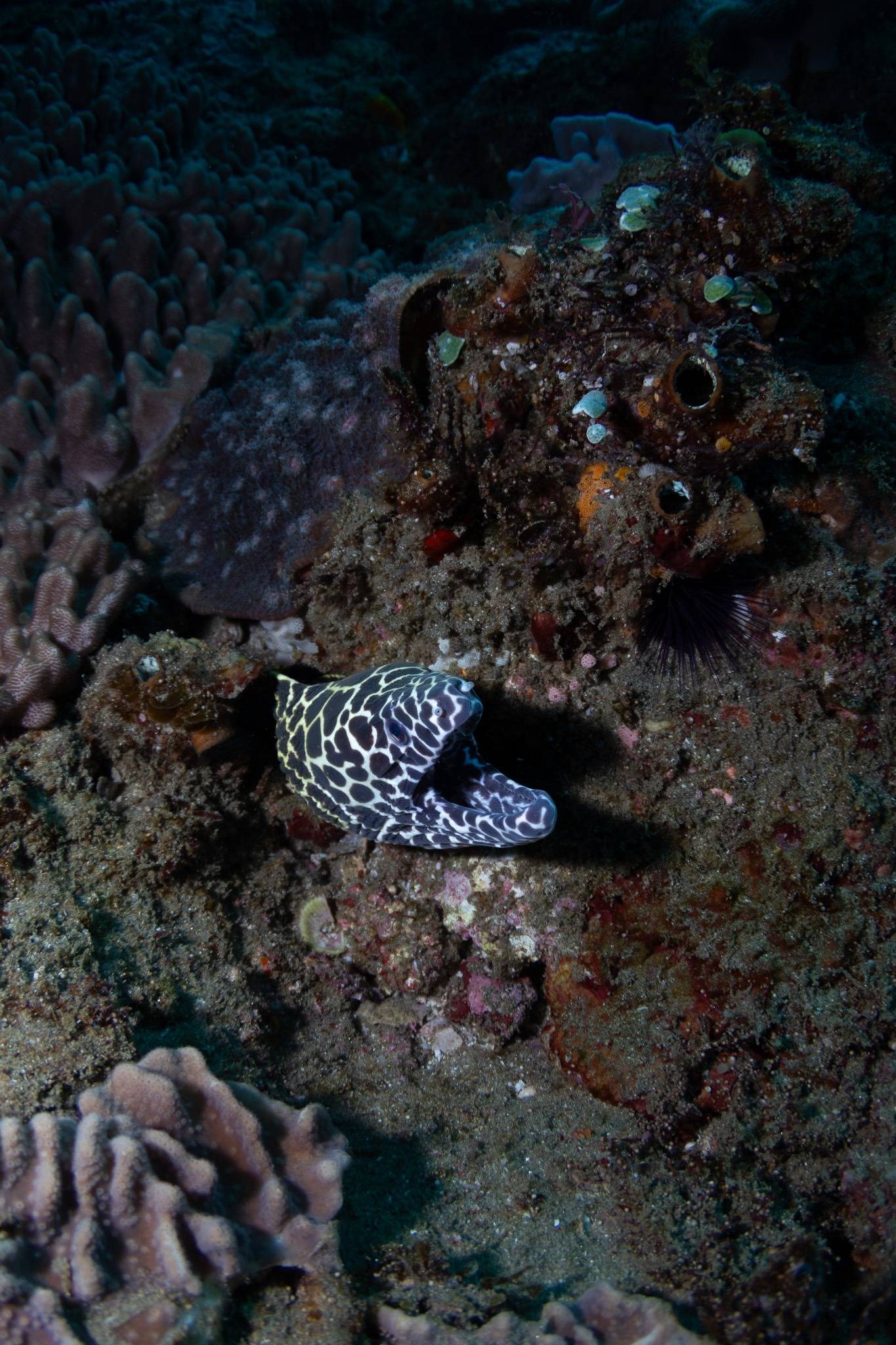
WHAT!? All of a sudden, there were yellows on the trevally, there were pinks and oranges in the coral - there was actual color in my underwater photo!
The image wasn't suddenly an award-winning underwater photograph, but I genuinely did not care. I hadn't even edited it yet and I was already happier with it than many of the images I'd spent hours trying to fix over the previous two years.
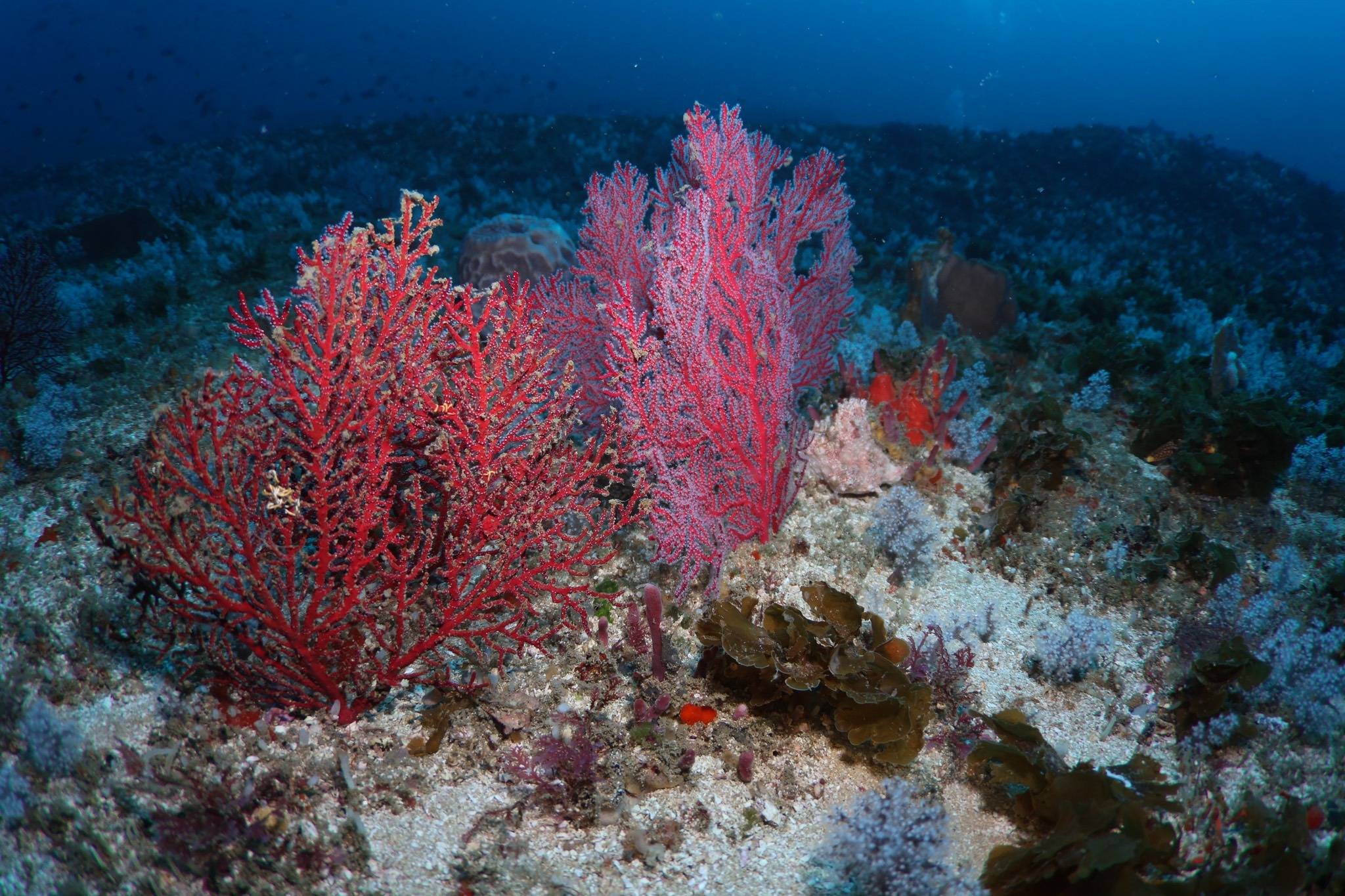
That was the moment I finally understood why everyone had been telling me to buy a strobe and it also made shooting so much more fun.
Instead of taking a photo and already knowing I was probably going to hate the color later, I started experimenting. I moved the strobe around, changed the power, adjusted my camera settings and immediately checked the back of the camera to see what each change had done.
For the first time, it felt like I wasn't just documenting what I saw underwater. I was starting to create the image.
What I Learned During my First Week Using a Strobe
Buying a strobe definitely doesn't mean your photos suddenly become amazing.
If anything, it gives you an entirely new list of things to get wrong.
During my first week alone, I dealt with backscatter, overexposed subjects, uneven lighting, harsh shadows and incorrect positioning. There were also plenty of moments where something fast-moving suddenly appeared and I rushed to take the photo without remembering that my strobe power or camera settings were still set for whatever I'd been photographing before.
But that was also one of the best parts of learning in Sodwana. Nirupam kept encouraging me to experiment. Move the strobe, adjust the power, adjust your settings, take another photo - see what happens.
A few things I started learning were:
1) Don't just point the strobe straight ahead. Lighting all the water directly between the camera and subject can make backscatter more noticeable.
2) Move the strobe depending on what you're photographing. Sometimes I had it higher above the housing, sometimes closer to the camera for nearby subjects, and sometimes farther out to the side.
3) You don't always need to aim the center of the beam directly at the subject. I started experimenting with using the softer edge of the light instead.
4) Change the power. It sounds obvious, but it was really useful seeing how much difference a small adjustment in strobe power could make.
5) Experiment constantly. There isn't one strobe position or power setting that works for every situation.
One of the things that stuck with me the most and it’s something EVERYONE says but remember to GET CLOSE.
This is probably the mistake I make most often - it was scary getting super close to things, especially in these surgy conditions.
A strobe is not a magic light that can illuminate something halfway across the reef. Its light still has to travel through water, and the farther you are from the subject, the more water that light has to pass through.
Getting closer helps improve color, contrast and clarity. It also means there is less water between the camera and subject, which can help reduce the amount of suspended particles in the image. Once I started forcing myself to get closer, the difference was obvious and it's something I'm still constantly reminding myself.
Get close and then probably get closer again.
Is One Strobe Enough?
Before buying mine, I definitely wondered whether there was any point in starting with just one.
So many underwater photographers use two strobes that it's easy to feel like you need a full dual-strobe setup from day one.
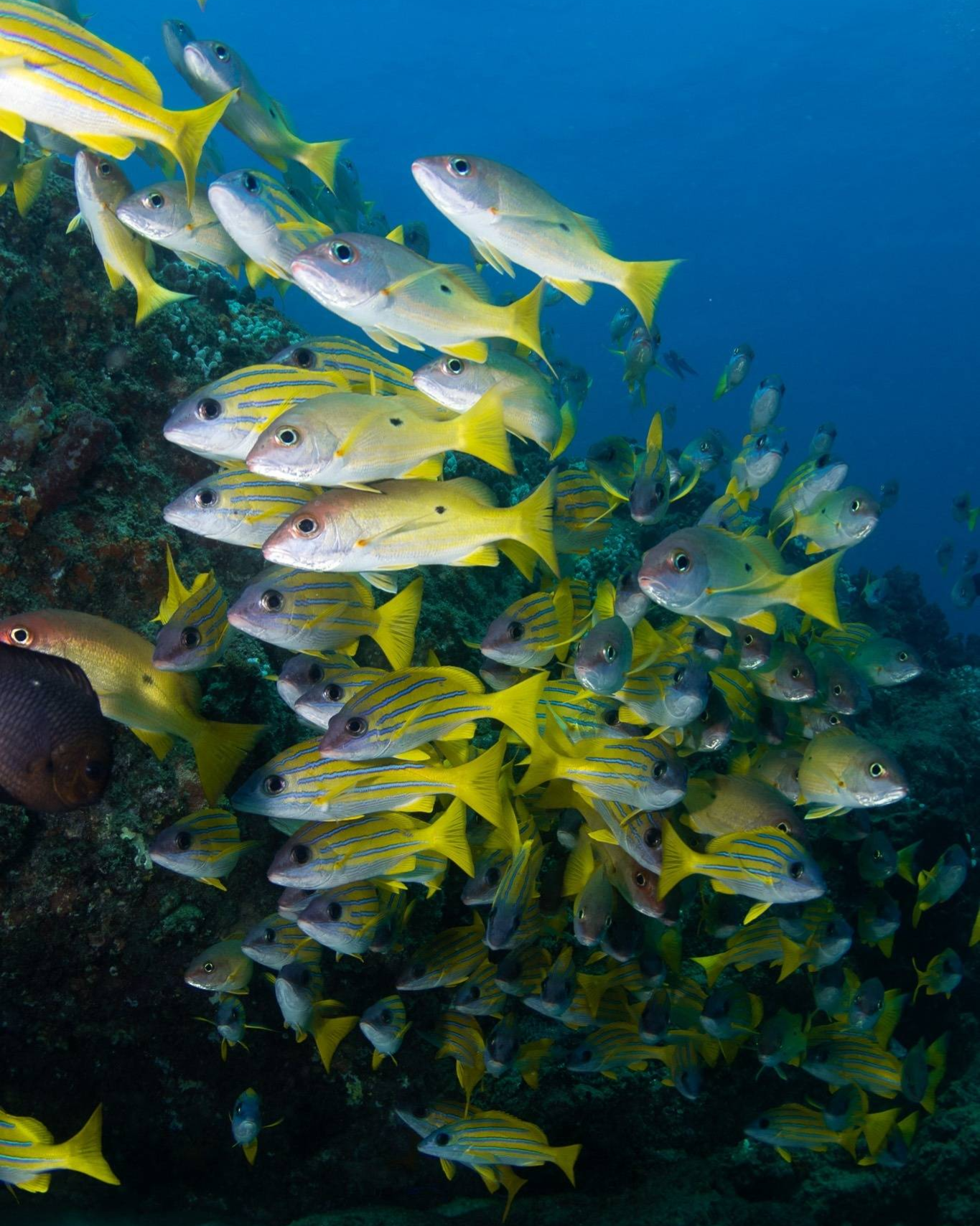
After actually using one, I can confidently say that one strobe can make a huge difference.
It also makes the learning process much less intimidating. My underwater camera system was already getting bigger, and adding one strobe, an arm and clamps felt like enough to think about initially. Two strobes would mean more bulk, more controls and another light source to manage. Nirupam also told me that he shot with one strobe for years before moving to two, which made me feel much better about starting this way.
There are situations where two strobes will give you more even coverage and more flexibility, particularly for wide-angle scenes, but I'm in absolutely no rush. Right now, I want to properly learn how to use one.
If you're deciding between buying one strobe now or waiting until you can afford two, my beginner's opinion is simple: Buy the one and don’t wait!
What Strobe do I Use?
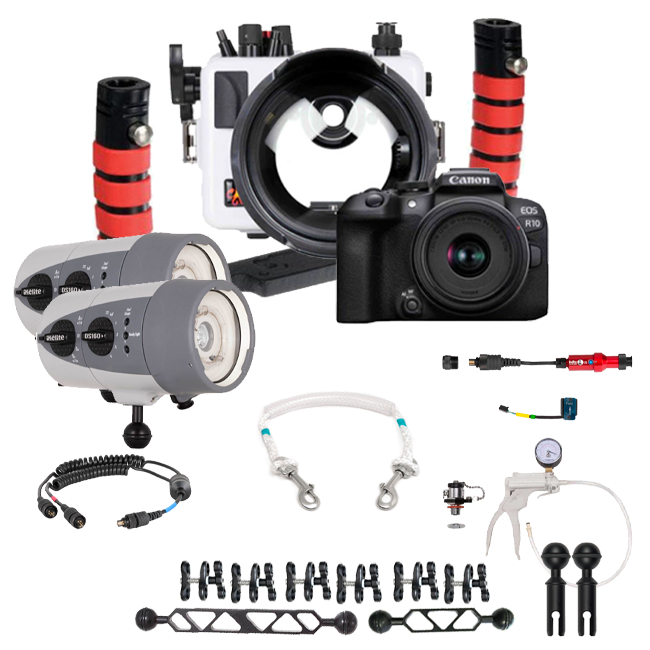
I'm currently using a Sea & Sea YS-D3 with my Canon EOS R10 and Ikelite housing.
Strobe: Sea & Sea YS-D3
Camera: Canon EOS R10
Housing: Ikelite Canon R10 Housing
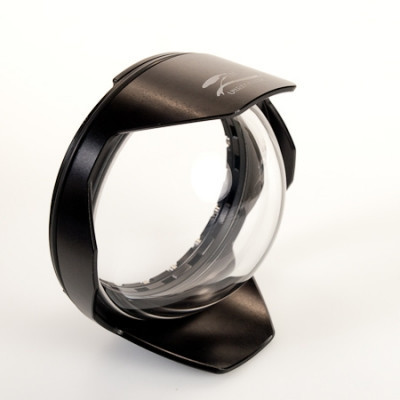
Lens: Tokina 10-17mm Fisheye
Strobe mode: Manual
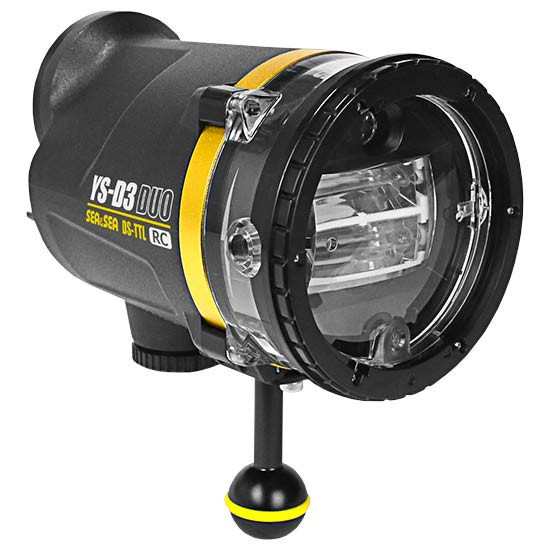
Honestly, because Nirupam recommended it. One of the perks of working with people who know far more about underwater photography equipment than I do is being able to ask what makes sense for my setup and budget.
So far, I've found the controls easy to use underwater and I have absolutely nothing bad to say about it - I love it!
Is an Underwater Strobe Worth It?
10000000000%.
If I had the budget when I first bought my underwater camera system, I would have added a strobe much sooner. At the same time, spending those two years without one wasn't completely wasted. It gave me time to become comfortable with my camera, learn to shoot manually topside and get used to changing settings without thinking too much about where everything was. So there were definitely benefits to learning the camera first.
Would I personally wait another two years? Absolutely not. The strobe has completely changed how much I enjoy taking my camera underwater. Before, I could have an incredible dive and then feel disappointed when I looked through the images afterward. Now I get excited to review them.
Are all my photos suddenly incredible? Definitely not. I'm still learning. I'm still getting backscatter. I'm still messing up settings. I'm still forgetting to get close enough. But now I can actually see the potential and this really does feel like just the beginning.
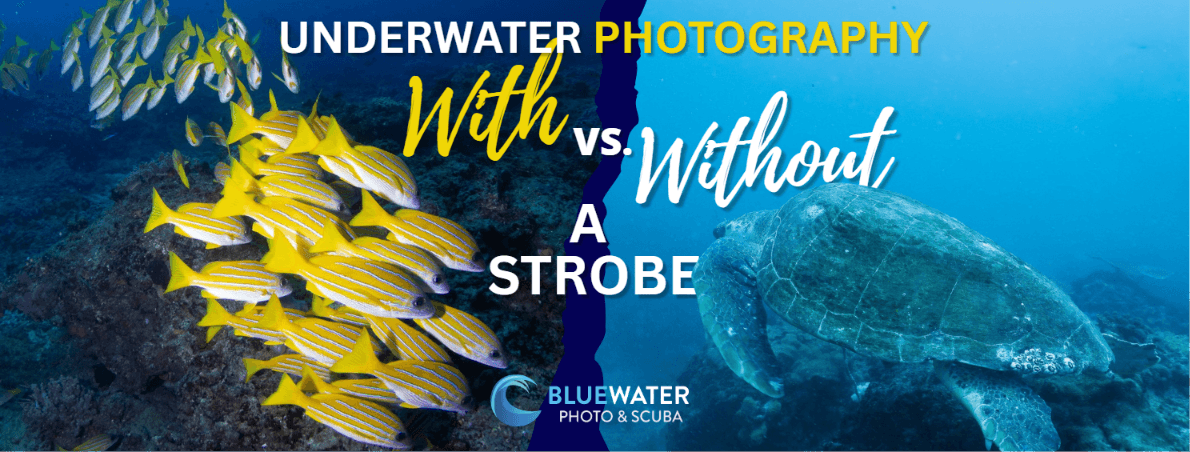
Before and After-
Without a Strobe:
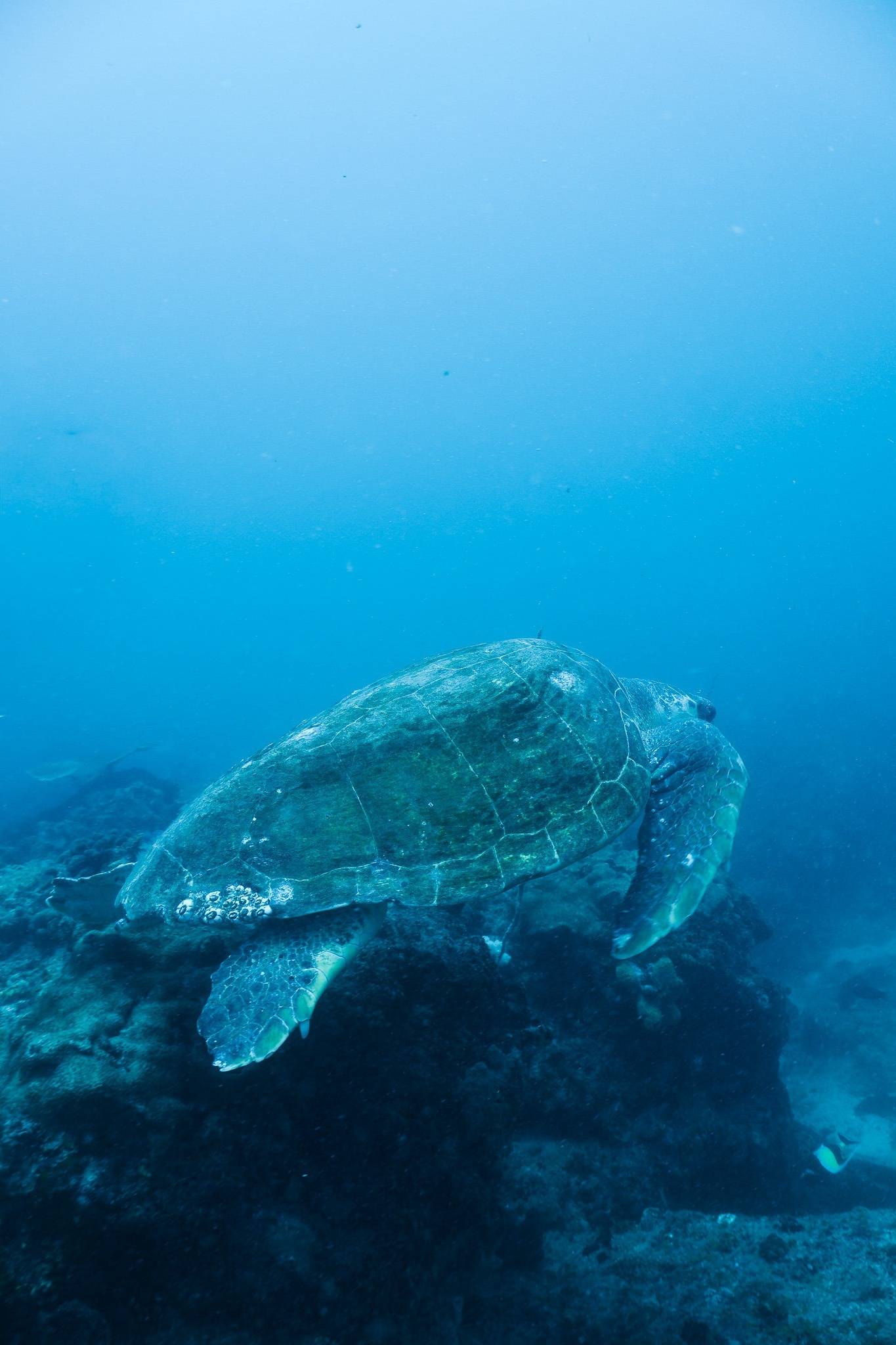
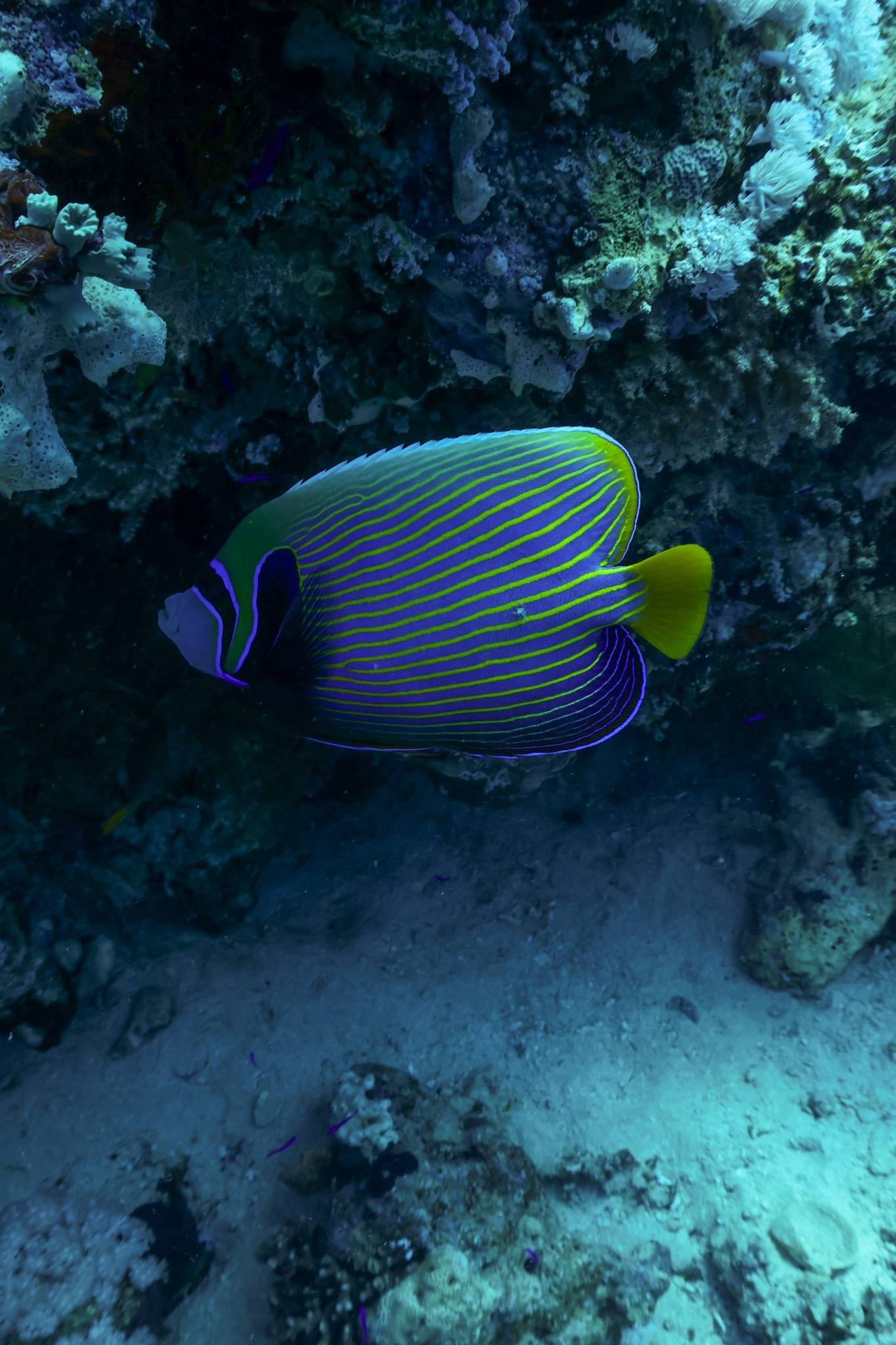
With a Strobe:
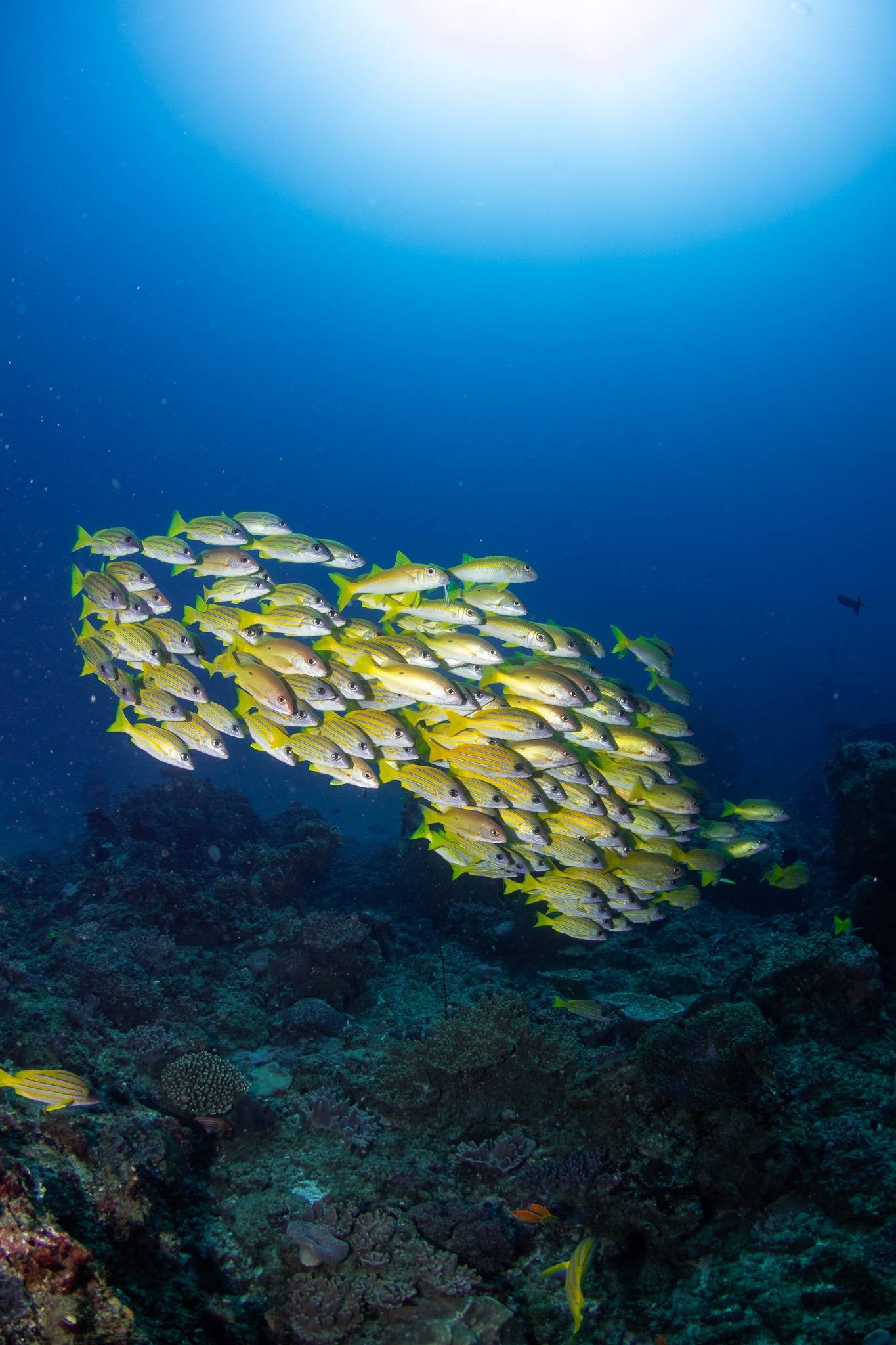
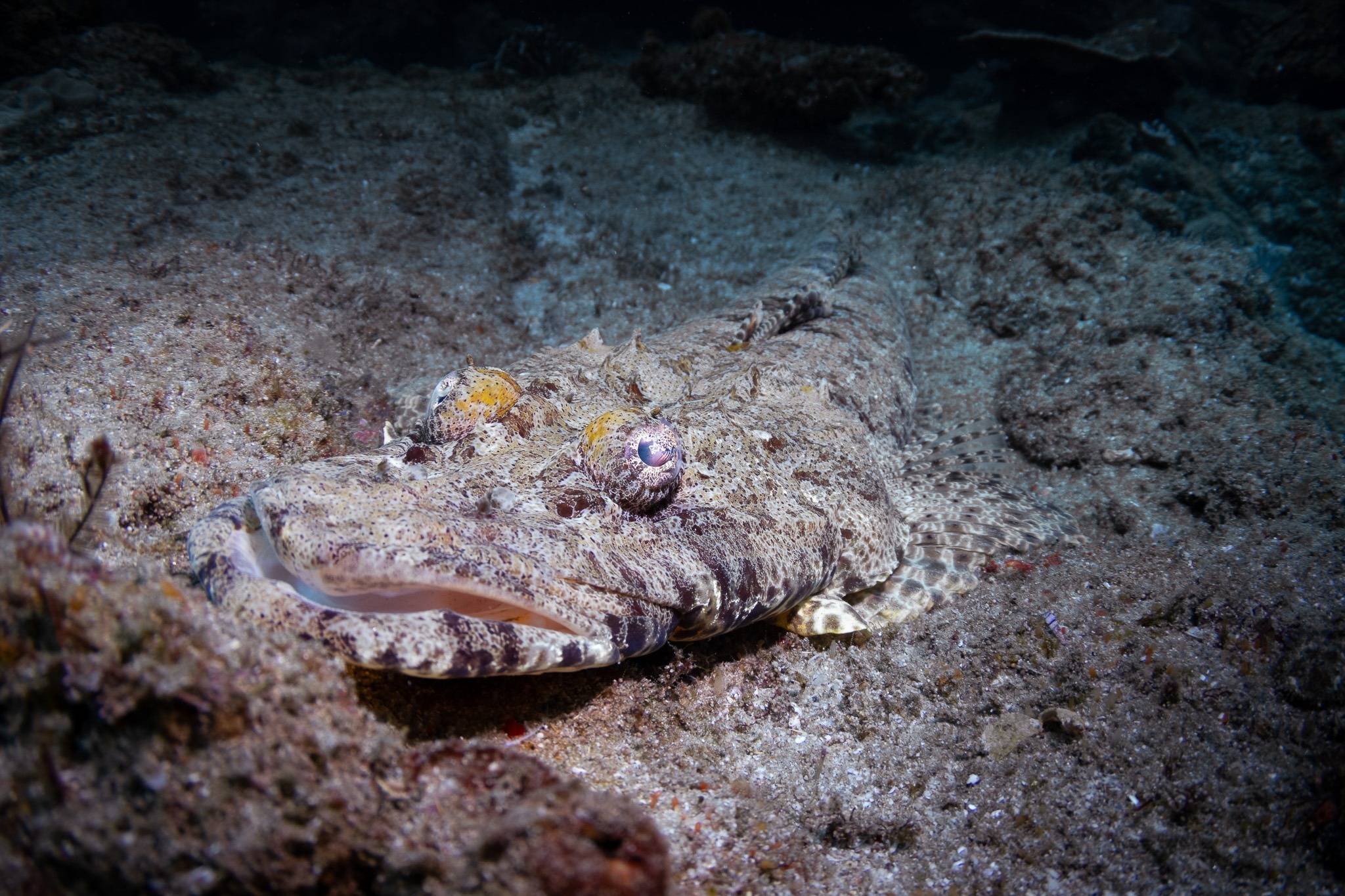
Final Thoughts
The biggest surprise for me wasn't learning that strobes improve underwater photos. Everyone had been telling me that for two years. It was discovering just HOW big the difference actually is.
Yes, a strobe is another investment. Yes, it makes your camera system bigger. And yes, it gives you an entirely new skill to learn. But after spending two years shooting without one, I genuinely think it has been one of the biggest upgrades I could have made to my underwater photography.
If you're currently using a camera and housing and wondering whether a strobe is really worth the money, my answer is very simple: It's an absolute game changer. After seeing the difference for yourself, I don't think it’s possible to regret buying one.