Nikon Z5 II Underwater Review
Posted by Nirupam Nigam on October 5th, 2025
The Nikon Z5 II is 2025's most underrated underwater camera. Priced at just $1,700 for the body, this entry-level full-frame mirrorless camera competes closely with the Nikon Z6 III and, in some areas, even pushes into Nikon Z8 territory. It carries over the Z8's incredible autofocus system and the Z6 III's excellent 24.5 MP sensor. All the while maintaining a compact form factor for a full-frame camera. Our staff at Bluewater Photo were fortunate to dive with the camera in the "aquarium of the world" - the Sea of Cortez. We photographed dancing sea lions, whale sharks, and the smallest critters like blue spotted jawfish. With Nikon’s top-of-the-line Z-mount lenses, this camera is nigh unbeatable. When it comes to video, however, some important caveats may steer the most avid video shooters away.
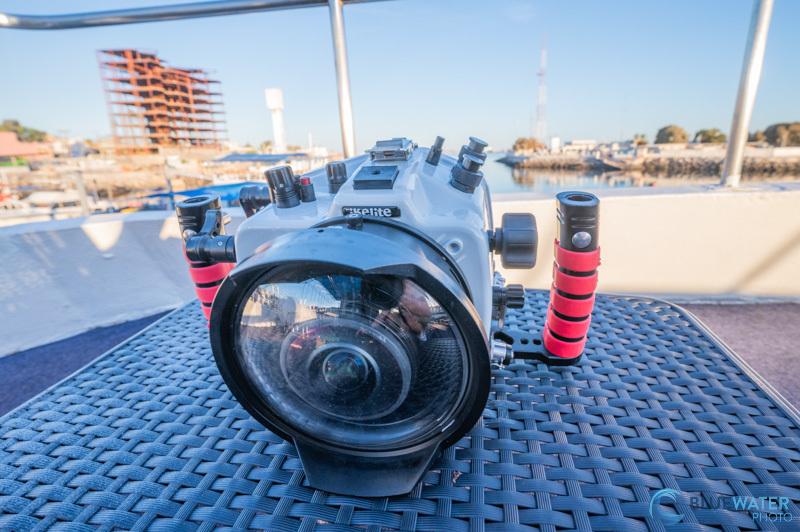
Nikon Z5 II in an Ikelite Housing After a Week of Diving in the Sea of Cortez
Nikon Z5 II Key Specifications
- Sensor: 24.5 MP full-frame (FX) BSI CMOS
- Processor: EXPEED 7 image processor
- Lens Mount: Nikon Z-mount
- Autofocus: 273-point hybrid AF with subject-detection & 3D tracking
- ISO Range: 100 – 51,200 (native), expandable 50 – 204,800
- Burst Rate: Up to 11 fps (RAW + JPEG)
- In-Body Stabilization: 5-axis IBIS, up to 7.5 stops compensation
- Video: 4K UHD (3840×2160) up to 60 fps (1.5× crop) / 1080p Full HD up to 120 fps
- Video Output: 10-bit N-Log & HLG over HDMI
- Display: 3.2″ tilting touchscreen LCD (2.1 M dots)
- Viewfinder: 3.69 M-dot OLED EVF (3,000 nits brightness)
- Storage: Dual UHS-II SD card slots
- Connectivity: USB-C (PD charging), Wi-Fi, Bluetooth 5.0
- Build: Weather-sealed magnesium alloy body
- Battery: EN-EL15c (Li-ion, USB-C charging supported)
- Weight: Approx. 590 g (1.3 lb) body only
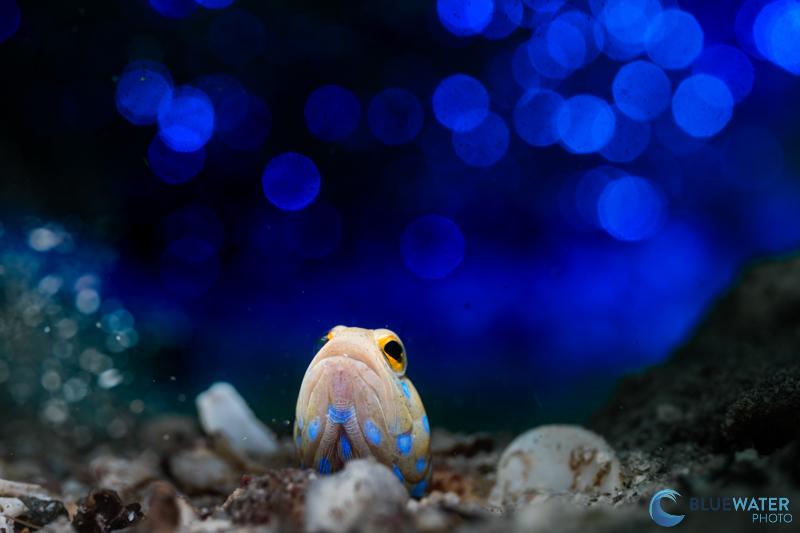
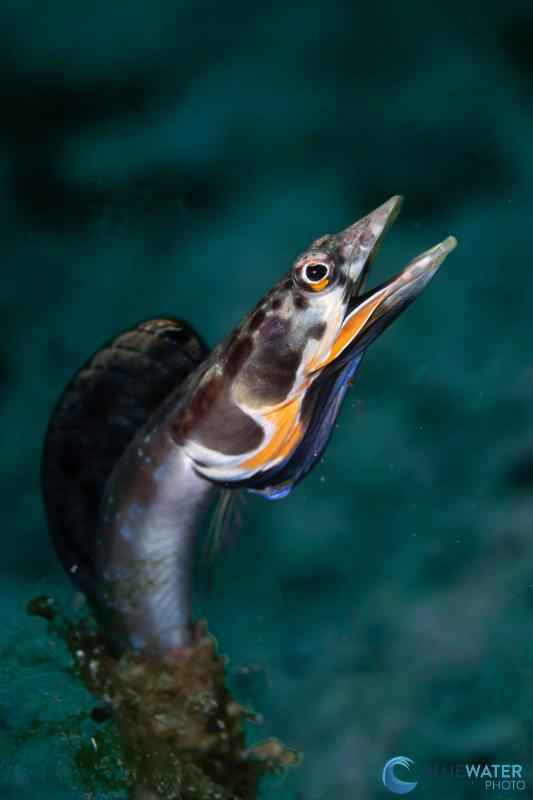
My favorite image captured with the Nikon Z5 II. I used a Marelux Artemis 4500 Lumen Video Light for backlighting and a Nikon Z 105 mm macro lens. 1/200, f/11, ISO 250
Nikon Z5 II Key Features
Underwater Image Quality & Dynamic Range
Unlike the Nikon Z6 III, the Z5 II does not have a stacked sensor. While it's still 24.5 megapixels of resolution, as a result of not being stacked, the sensor actually has 0.7 stops more dynamic range than the Z6 III. That means you'll get slightly more details in your highlights and shadows. Will it be noticeable to most underwater shooters? I didn't notice it, but I might if I was taking photos of sunballs all day. On the flip side, the lack of a stacked sensor appears in other areas like sensor readout speeds which helps reduce rolling shutter and increase burst shooting speeds. The Z5 II is "limited" to 11 fps burst shooting and has noticeably more rolling shutter than the Z6 III.
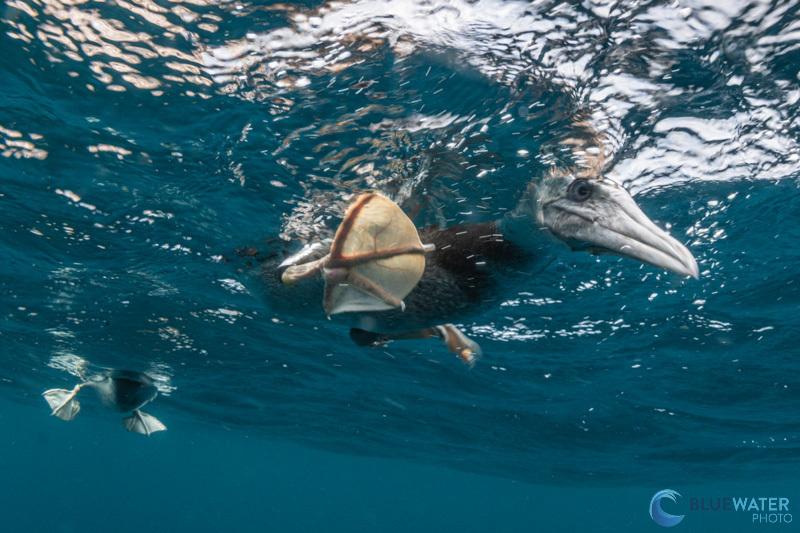
A brown footed booby photographed with the Nikon Z5 II and Nikon 8-15mm fisheye lens in an Ikelite housing. f/22, 1/125, ISO 500
Underwater Autofocus Performance and Tracking
The Nikon Z5 II's autofocus performance is where you truly see the value for money that makes this camera so underrated! The Z5 II has the same 3D autofocus tracking system as the Nikon Z8 and Z9! This means you can place your autofocus box right over your subject and it will easily follow your subject as it moves through the frame, or if you move the camera. While it doesn't work perfectly, I've noticed a huge improvement in my focus acquisition rate anytime I use 3D autofocus tracking underwater. I go from about 70% of my shots in focus to 90%.
The animal eye autofocus tracking system is slightly improved over other Nikon cameras and does acquire with macro subjects - but I didn't notice anything when I was shooting wide angle. It was nothing compared to the animal eye tracking performance on newer cameras like the Sony A1 II.
Now you might be wondering - where's the catch? The catch is low light autofocus. With slightly slower focus processing capability with the lack of a stacked sensor, the Z5 II doesn't perform as well in low light - even if the autofocus is rated to -10 EV. When I shot macro without a focus light at the beginning or end of the day, the focus box really struggled to track subjects
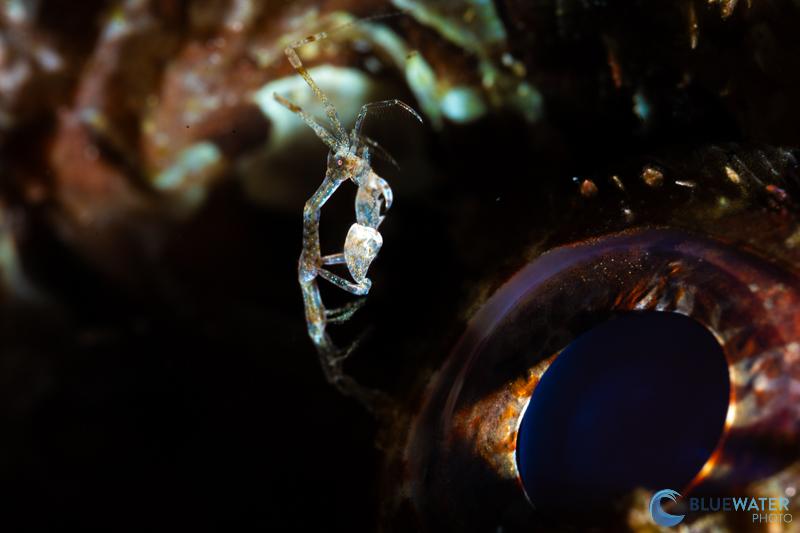
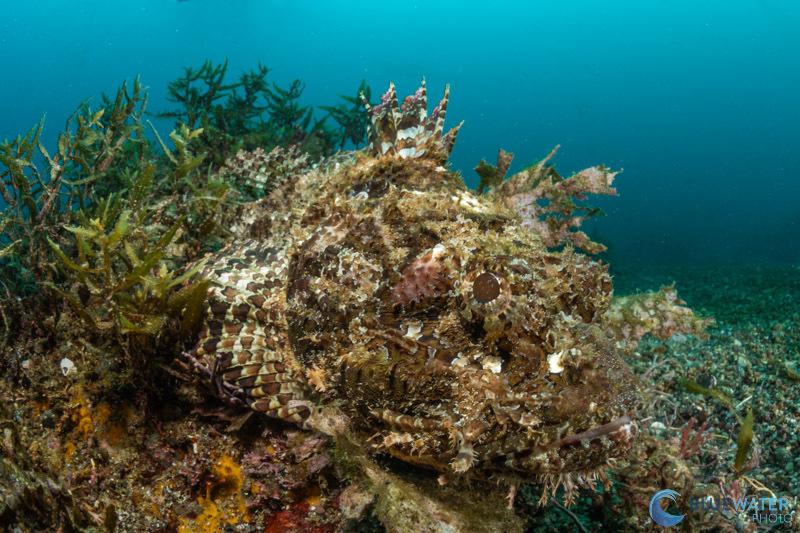
Skeleton Shrimp can be found on the eyes of scorpion fish and can be quite difficult to photograph. But autofocus tracking certainly helps!
Battery Life
The battery life on the Z5 II is excellent. After four dives in a day, I still had about 30% of my battery left. Officially the battery life is rated to about 330-390 shots, but I tend to find that I can push it to much more.
The Nikon Z5 II for Underwater Video
While the Z5 II is an excellent underwater video camera for hybrid shooters and casual video shooters, pro video shooters will be steering clear from this camera. The Z5 II can film 4K/60p video, but it's with a 1.5x crop. Moreover, because the sensor is not stacked, there is more rolling shutter than with cameras like the Nikon Z6 III. It was noticeable in our test footage underwater when we followed schooling fish. However, I did actually like having the 1.5x crop factor as it allowed me to get closer to macro subjects.
The camera is capable of filming 10-bit 4:2:2 N-Log picture profiles, so if you're a colorist, you'll be happy! Changing your colors and editing these files in post production is a breeze - especially when it comes to adjusting white balance.
Nikon Z5 II Underwater Housings
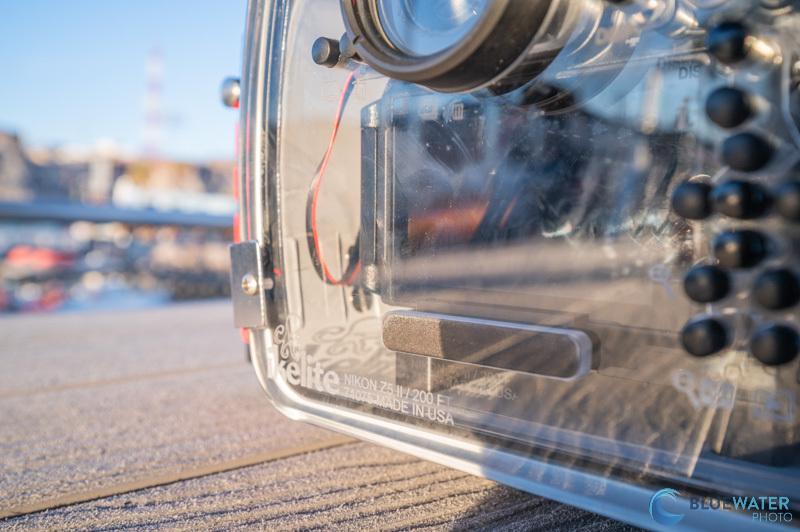
Currently, there are just two housings available for the Nikon Z5 II and unfortunately, we don't expect more to be produced.
The Ikelite Z5 II underwater housing is the housing that we used for our review while diving in the Sea of Cortez. While it is the "budget" model, we consider this to be a pro-level housing with full control of the camera. Ikelite has updated the dials for better ergonomics and has added exciting accessories like a data and power transfer cable. The housing has ergonomic AF-on and shutter levers that can be extende with optional extensions.
The Nauticam Z5 II underwater housing is an excellent anodized aluminum housing option with full control of the camera and compatiblility with Nauticam optics.
Nikon Z5 II Underwater Lenses
Nikon Macro Lens Options
Nikon F 60mm f/2.8 macro w/ FTZ adapter - This lens stands out among Nikon's offerings. When paired with a full-frame camera like the Nikon Z6 III, it excels with the Kraken KRL-09s wide-angle conversion lens, providing a 154-degree field of view. It's our top pick for blackwater photography and can focus closer than 105mm macro lenses.
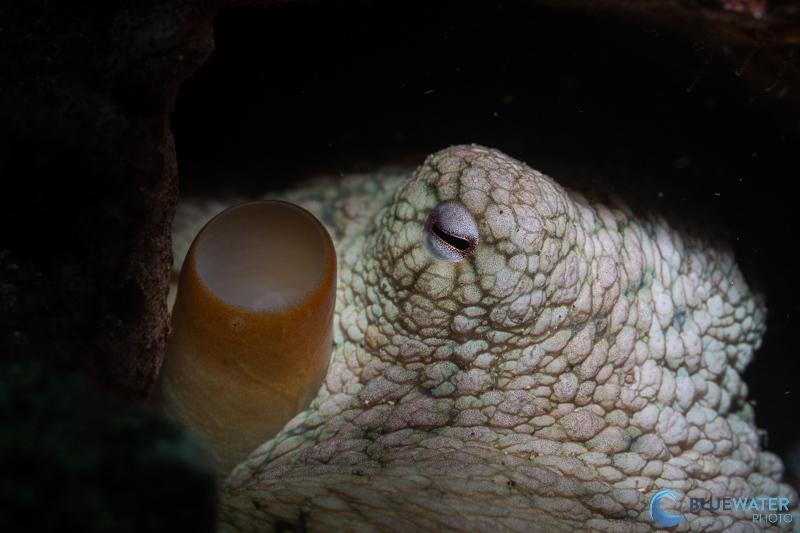
An octopus photographed with the Nikon Z 105mm macro lens and Nikon Z5 II
Nikon F 105mm f/2.8 macro w/FTZ adapter - If you already own this lens, it remains a top choice for the Nikon Z5 II. Its relatively long working distance is advantageous for approaching shy subjects. Interestingly, it focuses faster than its Z mount counterpart, though it's not as sharp.
Nikon Z 105mm f/2.8 macro - This lens is one of the sharpest macro lenses we've ever used. While it may be slightly slower than other options, including the F mount version, the Z5 II's improved autofocus makes it our preferred choice for macro photography.
Nikon Z 50mm f/2.8 macro - We don't recommend this lens for underwater photography. Despite being more affordable, its moving focusing barrel results in slow image quality and it's challenging to use with diopters.
Kraken and Weefine +13 macro lens - These are excellent choices to pair with the Nikon Z 105mm macro for supermacro photography. We encourage you to explore our comprehensive guide to wet macro lenses.
Nikon Wide Angle Lens Options
Nikon F 8-15mm fisheye lens w/ FTZ adapter - This classic lens is our favorite for underwater photography. At 8mm, it offers a circular field of view, while at 15mm, it provides a wide fisheye field of view of about 170 degrees. It's ideal for capturing close-up reef subjects with maximum color and detail.
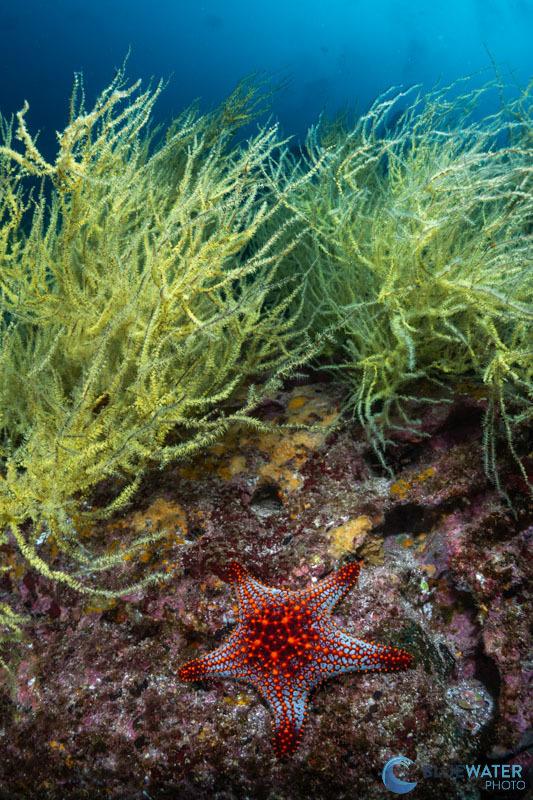
A reefscape photographed with the Nikon F 8-15mm fisheye lens and Nikon Z5 II
Nikon Z 14-30mm rectilinear wide lens - This lens is fantastic for photographing subjects at a slightly greater distance, such as sharks and dolphins. It boasts relatively sharp corners for a rectilinear wide lens and transforms into a circular fisheye when used with the Nauticam FCP-1.
Nikon F 16-35mm f/4 w/FTZ adapter - If you already own this lens, it remains a great option for subjects similar to those suited for the Z 14-30mm. However, it's not as sharp as the Z version, so you might consider upgrading.
Nikon Z5 II Pros and Cons
Pros
- Excellent Image Quality: The 24.5 MP full-frame sensor delivers crisp detail, rich colors, and impressive dynamic range even at depth.
- Outstanding Value: Nearly identical still-image quality to the Z6 III at a significantly lower price point.
- Dual UHS-II Card Slots: Professional-grade redundancy for travel and commercial underwater work.
- Strong Autofocus System: 273-point hybrid AF with reliable eye and subject detection, even in low-contrast environments.
- Effective 5-Axis IBIS: Stabilization helps produce smoother handheld video and sharper stills underwater.
- Great Ergonomics: Comfortable grip and intuitive menu layout make it easy to adjust settings inside a housing.
- Solid Build Quality: Weather-sealed magnesium-alloy body stands up to travel and humid dive conditions.
- Excellent Battery Life: The EN-EL15c battery easily lasts several dives per charge with USB-C recharging between dives.
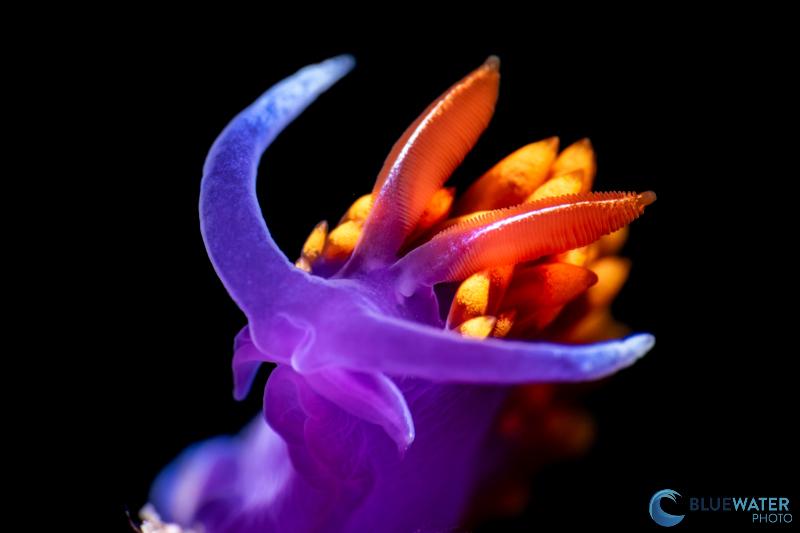
Spanish shawl photographed with the Nikon Z5 II
Cons
- 1.5× Crop in 4K 60 fps Video: Limits wide-angle coverage and makes it harder to match lens framing topside.
- No Top LCD Display: Missing the quick info screen found on higher-end Nikon bodies.
- Moderate Burst Speed: 11 fps is fine for macro or casual action, but not ideal for fast-moving pelagics.
- Limited Slow Motion: No full-frame 120 fps option for cinematic underwater footage.
- Autofocus Occasionally Hunts in Low Light: Particularly when shooting macro in darker environments.
Final Verdict
The Nikon Z5 II strikes an exceptional balance between price, performance, and reliability. For most divers, it offers flagship-level stills and video quality without the cost or complexity of the Z6 III — making it one of the best-value full-frame underwater cameras of 2025.