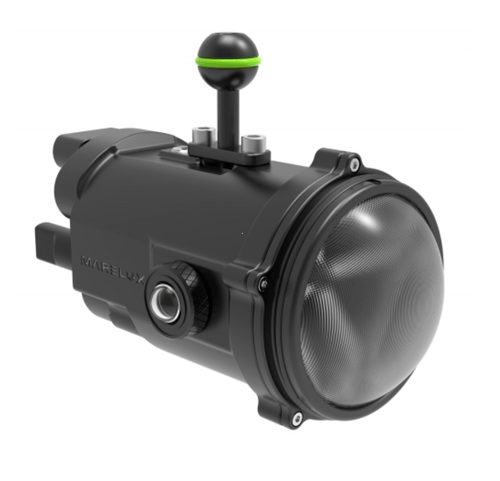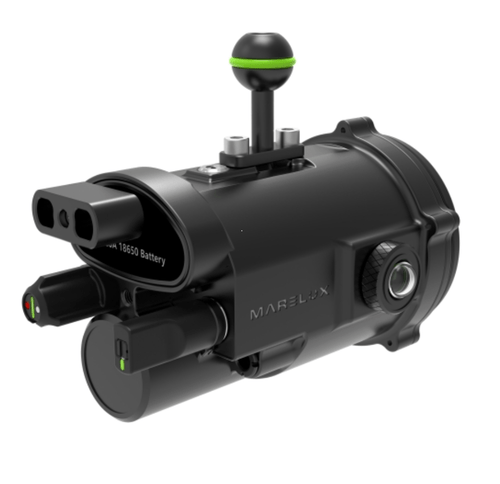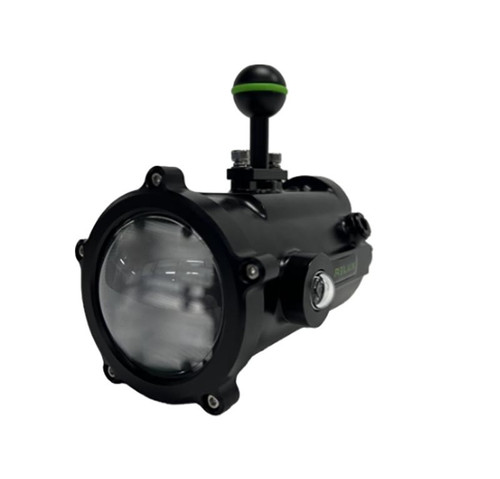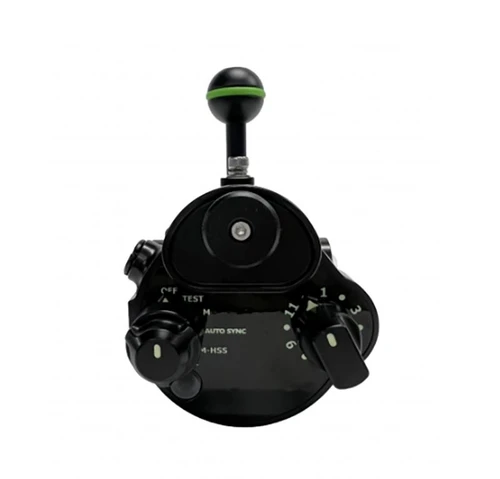


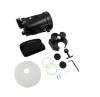

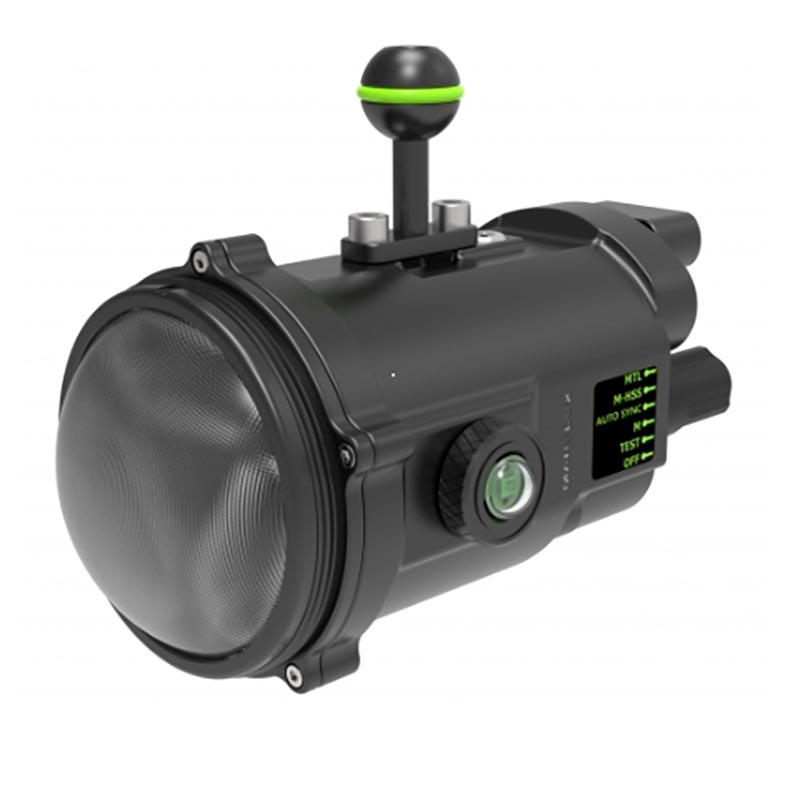
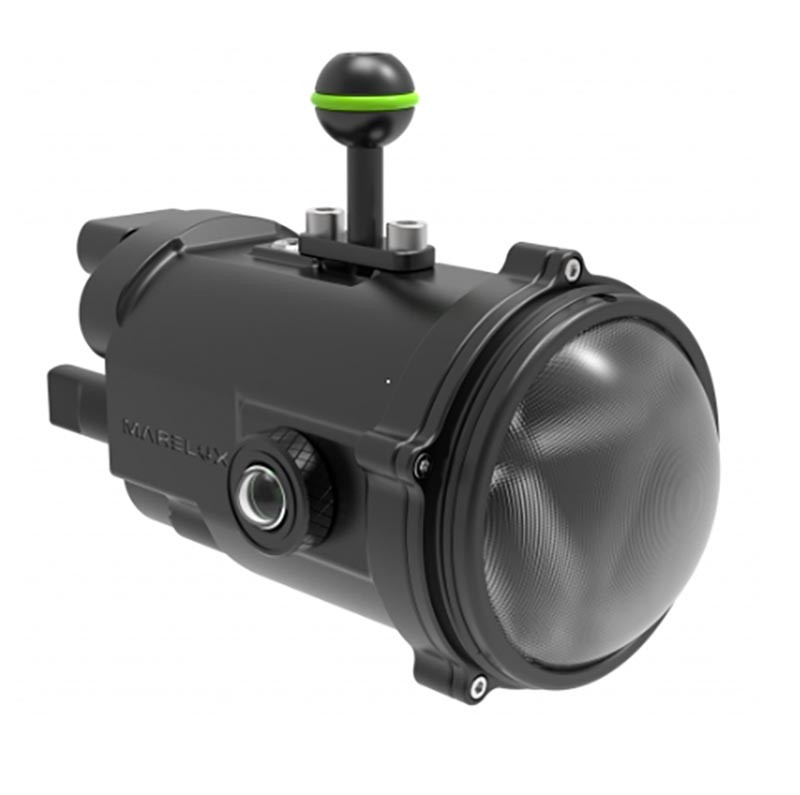
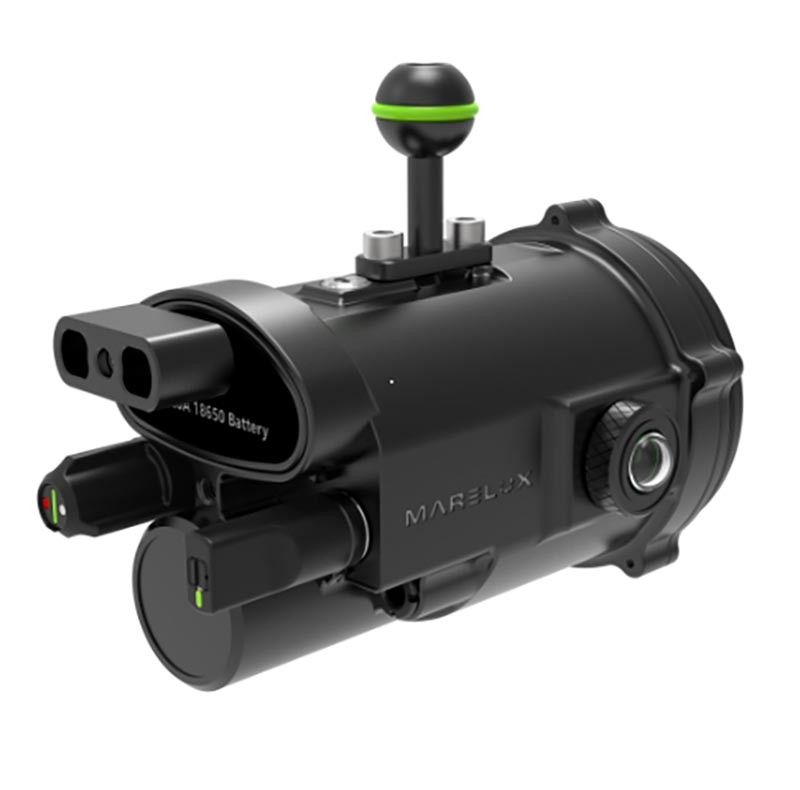
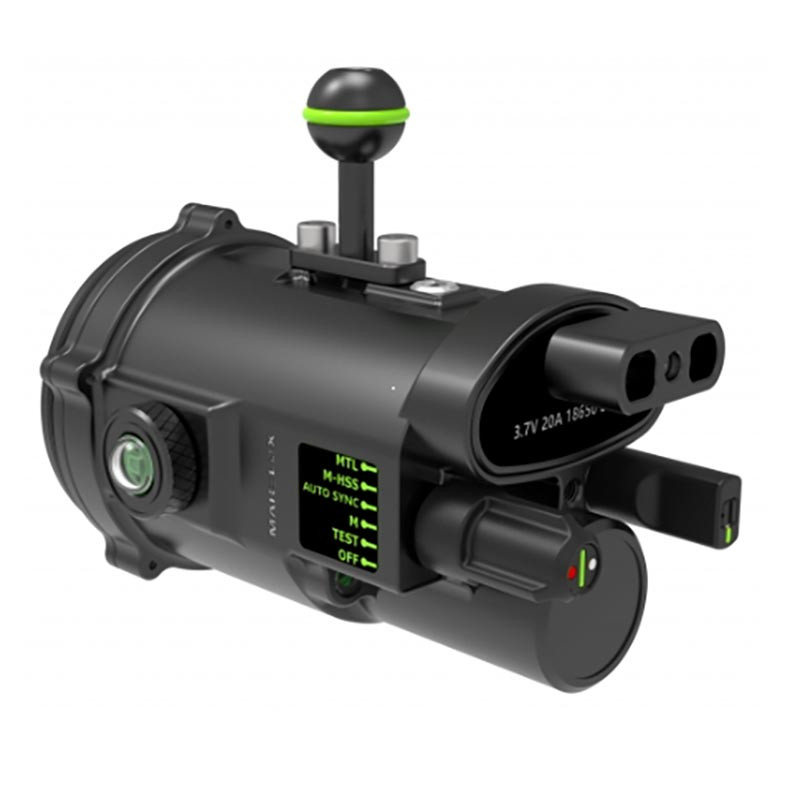
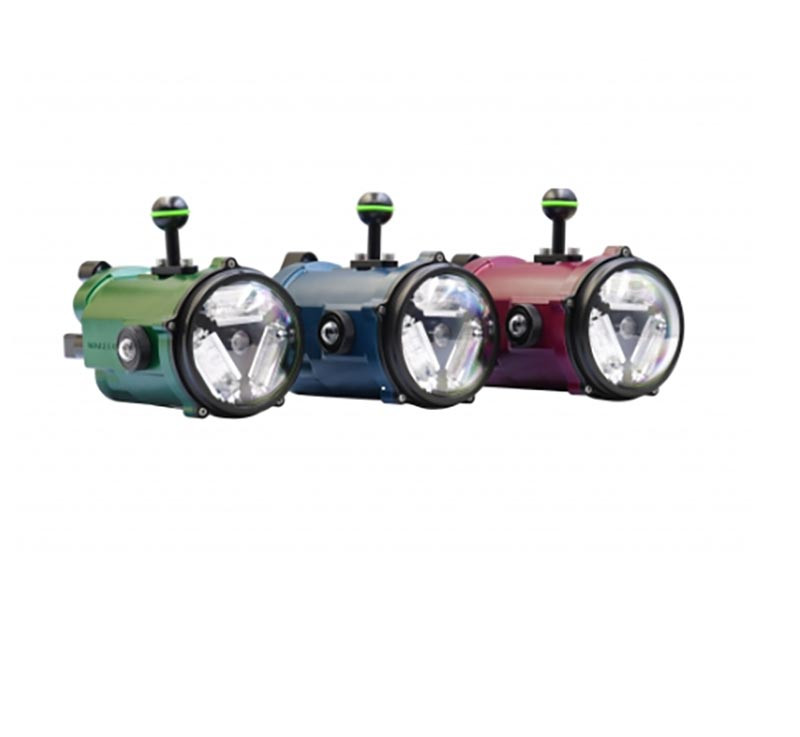


The Marelux Apollo III 2.1 establishes itself as a premier, high-output underwater strobe engineered for demanding wide-angle compositions and rapid continuous shooting. Built around a durable flash tube rated for one million cycles, this marelux strobe balances professional-grade power with exceptionally quick recycle times, making it a strong contender for the best underwater strobe on the market for mirrorless and DSLR shooters.
Key Features
- High Output & Coverage: Delivers a guide number of 44 on land (tested at ISO 100 at 1 meter) with a native 120° underwater beam angle, which expands to 140° when using the included dome diffuser.
- Rapid Recycle Times: Features a 0.6-second full-power recycle time, allowing you to capture high-energy action shots without waiting on your lighting.
- Advanced Flash Workflows: Supports precise exposure control across multiple modes, including Manual (12 power steps), TTL, High-Speed Sync (HSS) up to $1/8000s, and Olympus RC TTL when paired with a compatible flash trigger.
- High-Speed Burst (MTL) Mode: A dedicated multiple-flash mode capable of firing continuous bursts up to 20 frames per second at a reduced output of GN22.
- Dual Triggering System:Equipped with a standard fiber optic port alongside two fisheye wireless optical sensors providing 160° of receiver coverage for cable-free triggering configurations.
- Robust Power & Build: Powered by three 18650 lithium batteries housed in an isolated, waterproof battery chamber, providing up to 800 full-power flashes per charge down to a depth rating of 100 meters.
Marelux Apollo III 2.1 vs Apollo III 2.0
While this updated underwater strobe light maintains the same structural build, raw flash output, and depth performance as its predecessor, Marelux has streamlined the targeting light capabilities based on real-world feedback.
Unlike the older Apollo III 2.0—which paired a 250-lumen white light with a 180-lumen red light—the new marelux apollo iii 2.1 completely removes the red targeting light. Instead, it features a significantly more powerful, dedicated white modeling light that tops out at a maximum brightness of 1500 lumens. This upgraded modeling light offers four adjustable brightness levels, providing underwater photographers with vastly improved visibility for focusing and framing in dark environments or night diving scenarios.
For advanced shooters comparing professional-grade underwater strobes, the enhanced modeling performance and relentless cycling speed of the Apollo III 2.1 ensure it remains one of the best underwater strobes available for freezing fast behavior and illuminating expansive reef scenes.
Please Note: Batteries NOT included - we recommend the Marelux 18650 Battery
For more details on the Apollo III 2.1 underwater strobe, download the user manual here
Read our underwater review where we tested the Apollo III Strobe in Bohol, Philippines
Marelux Apollo III Video Review
Quick Specs
Will the Marelux Apollo III 2.1 work with my camera housing?
Compatibility varies by system — contact Bluewater Photo to confirm your setup. The Apollo III 2.1 is an optical-triggered underwater strobe, so your housing, camera, and flash trigger all matter.
Works With
- Camera housings that support optical or fiber optic strobe triggering.
- Manual fiber optic flash control using the Apollo III 2.1 fiber port.
- Wireless optical triggering with compatible Marelux / Lumilink-style transmitter setups.
- Dual-strobe still photography systems when both strobes are configured correctly.
Requires
- Compatible flash trigger for TTL or HSS operation.
- Fiber optic cable for cabled optical triggering, or compatible wireless transmitter for cable-free optical triggering.
- 3 × 18650 lithium batteries and a suitable charger.
- Strobe arms, clamps, and tray or handle system.
Optional Gear
- Dome diffuser for wider 140° coverage and warmer 5500K color.
- Float arms to trim a dual-strobe rig.
- Spare batteries for multi-dive days.
- Snoot or creative modifiers for macro lighting.
Fast power for photographers who do not want to wait on their strobes
The standout feature is not just output; it is output combined with speed. A lot of underwater strobes can make a bright flash, but the Apollo III 2.1 is built for photographers who shoot follow-up frames, moving subjects, high-energy reef scenes, and fast macro behavior where the second and third frames matter.
Compared with hybrid photo/video lights, the Marelux Apollo III 2.1 is more focused on high-performance still photography. Compared with smaller underwater strobes, it gives you more lighting headroom for big scenes and higher aperture settings, with the tradeoff of a larger full-size body.
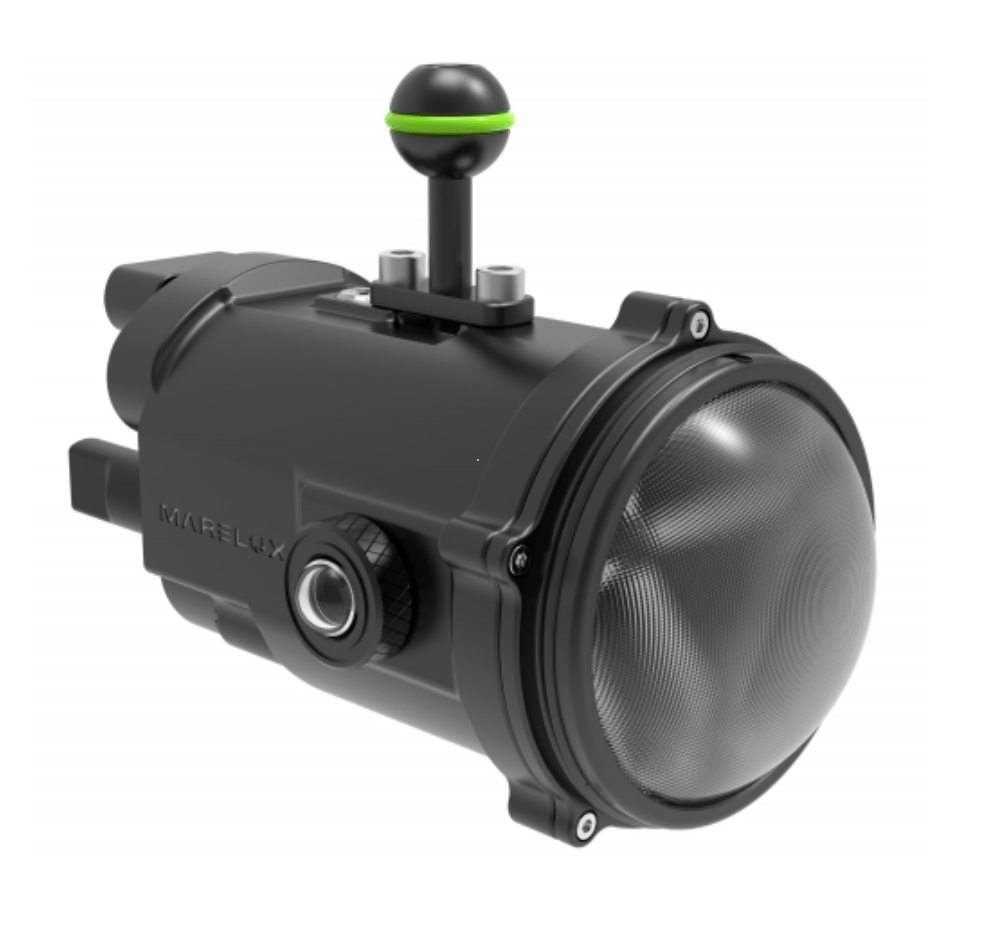
Wide, usable light for reef, wreck, and big-animal scenes
A powerful strobe is only useful if the beam covers the scene cleanly. The Apollo III 2.1 gives you a 120° beam, or 140° with the dome diffuser, making it a strong match for fisheye lenses, close-focus wide-angle, reef scenics, and divers shooting through blue water.
- More coverage for wide-angle compositions.
- Dome diffuser helps soften light and widen spread.
- Good lighting headroom for small apertures and bright tropical water.
Advanced Strobe Modes
The Marelux Apollo III 2.0 stands out from the competition with its array of advanced strobe modes, offering photographers unprecedented control over their underwater lighting. These modes cater to a wide range of shooting scenarios and creative techniques, making the Apollo III 2.0 a versatile tool for both novice and experienced underwater photographers.
1. TTL (Through The Lens) Mode
TTL mode allows for automatic strobe power adjustment based on the camera's metering:
- Ideal for fast-moving subjects or rapidly changing lighting conditions
- Simplifies exposure control for less experienced photographers
- Compatible with a wide range of camera systems (requires appropriate triggering setup)
2. RC TTL Mode
Specifically designed for Olympus camera systems, RC TTL mode offers:
- Enhanced accuracy in TTL metering for Olympus cameras
- Improved communication between camera and strobe
- Finer control over exposure in automatic mode
3. HSS (High-Speed Sync) Mode
HSS mode enables synchronization with faster shutter speeds:
- Allows for use of wider apertures in bright conditions
- Useful for creative techniques like freezing fast motion
- Expands the creative possibilities for underwater photographers
4. MTL (Multiple Flash) Mode
A unique feature of the Apollo III 2.0, MTL mode allows for continuous flashing:
- Ideal for capturing multiple exposures in a single frame
- Useful for creative light painting techniques underwater
- Enables new artistic possibilities in underwater photography
5. Manual Mode
For those who prefer complete control, manual mode offers:
- Full adjustment of strobe power output
- Consistent lighting for series of shots
- Ideal for experienced photographers who know exactly what lighting they need
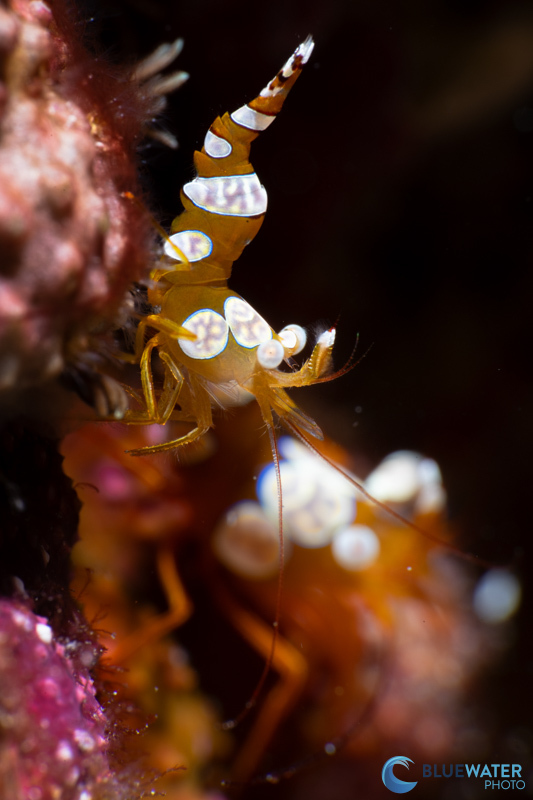
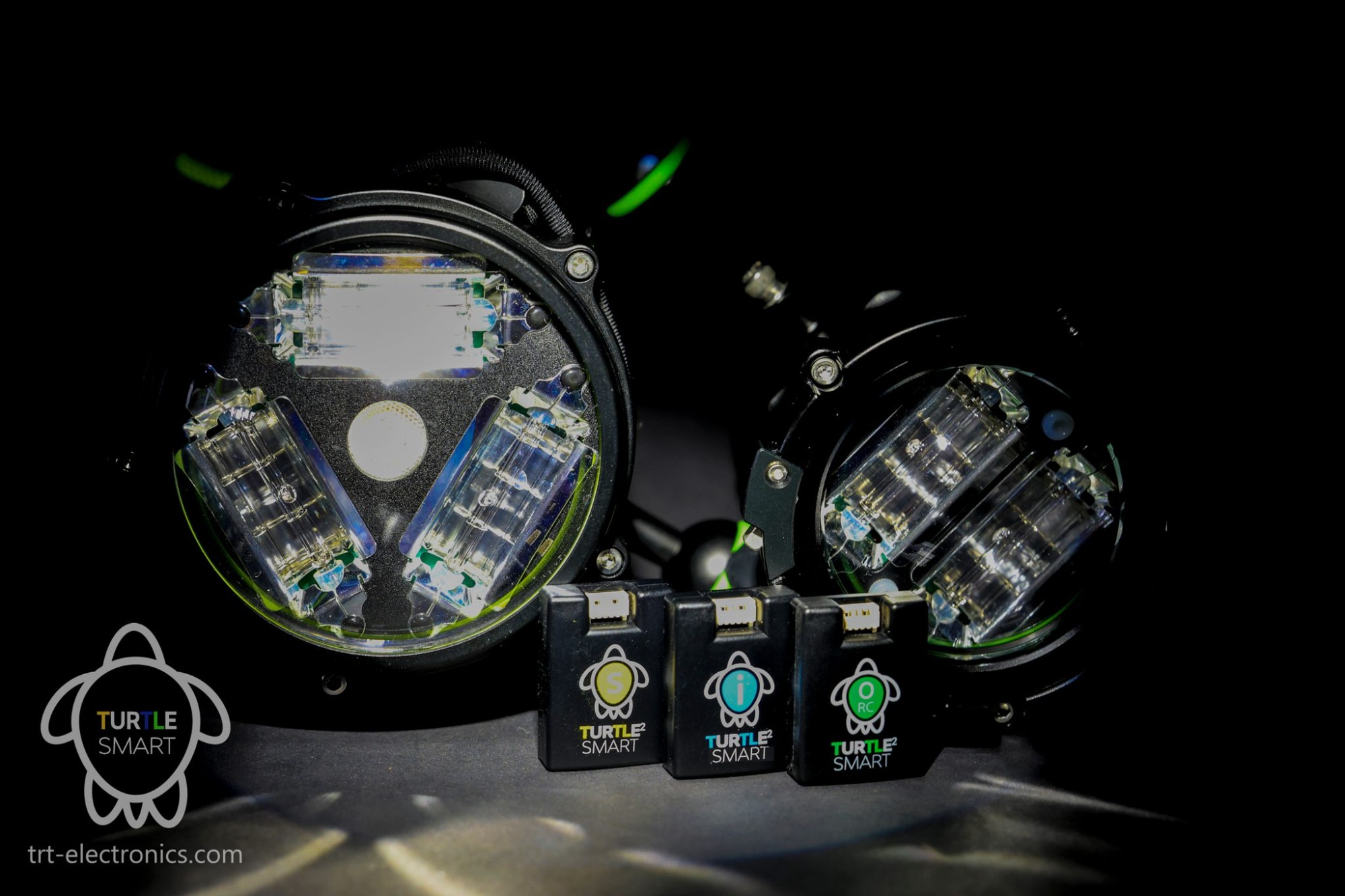
Advanced trigger options when your system supports them
The Apollo III 2.1 supports manual, TTL, HSS, M-HSS, and MTL workflows, but the trigger is the key. Bluewater Photo can help confirm whether your camera, housing, and flash trigger combination will give you manual-only, TTL, HSS, or wireless control.
- Fiber port supports M, TTL, M-HSS, and MTL modes.
- Wireless triggering supports M, MTL, and M-HSS modes.
- TTL and HSS require compatible flash triggers.
Marelux Apollo III 2.1 vs Backscatter HF-1 vs Sea & Sea YS-D130R
| Product | Power / Output | Beam | Best Use | System Compatibility |
|---|---|---|---|---|
| Marelux Apollo III 2.1 | GN44 on land; GN22 MTL; 1500 lm white target light | 120°; 140° with dome diffuser | High-speed stills, wide-angle, macro, advanced TTL / HSS systems | Fiber M / TTL / M-HSS / MTL; wireless M / MTL / M-HSS; TTL and HSS require compatible triggers |
| Backscatter HF-1 | GN f40; 5000 lm video light | 120°, 140°, or 160° depending diffuser | Hybrid stills and video shooters wanting one light for both jobs | Fiber optic; Smart Control TTL for select Sony, Olympus, and OM System configurations; HSS compatible |
| Sea & Sea YS-D130R | 130 Ws flash output; 300 lm target light | 80 × 82° without diffuser; 102 × 102° with diffuser | Compact high-output strobe users who want Li-ion or AA battery flexibility | Manual, DS-TTL II, OM System RC, and HSS Manual modes |
Expert Verdict
Who should buy the Marelux Apollo III 2.1?
Buy the Marelux Apollo III 2.1 if you want one of the strongest still-photo underwater strobes with fast recycle time, broad coverage, and modern triggering options. It belongs on the shortlist for divers comparing the best underwater strobes for serious mirrorless and DSLR systems.
Choose a different strobe if you primarily shoot video and need a high-output continuous video light built into the same body, or if you want the smallest possible travel strobe. For advanced still photographers who want speed, power, and expandability, the Apollo III 2.1 is a very compelling Marelux strobe.
Why Buy From Bluewater Photo
Expert support before and after the sale
Underwater strobes are system products. The best strobe is the one that works correctly with your camera, housing, trigger, arms, battery plan, and shooting goals. Bluewater Photo helps customers build complete underwater camera systems every day, not just add a product to a cart.
Marelux has earned attention from serious underwater photographers by building advanced housings, lighting, and optical triggering tools. The Apollo III 2.1 fits that direction with high power, fast recycle time, and trigger flexibility.
Content reviewed by Bluewater Photo staff, recognized as the #1 online retailer specializing in underwater photography and scuba diving equipment, with real-world experience supporting, selling, and configuring underwater camera systems.
Ready to build your lighting setup?
Expert support from underwater photographers.
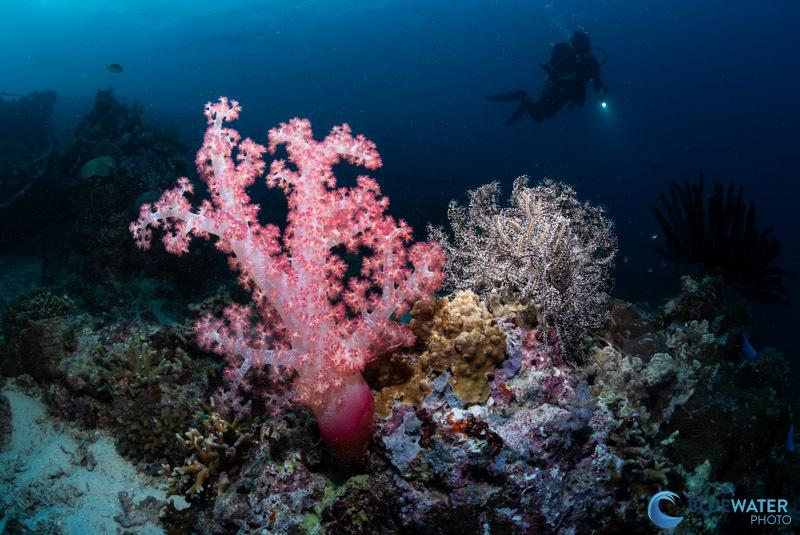
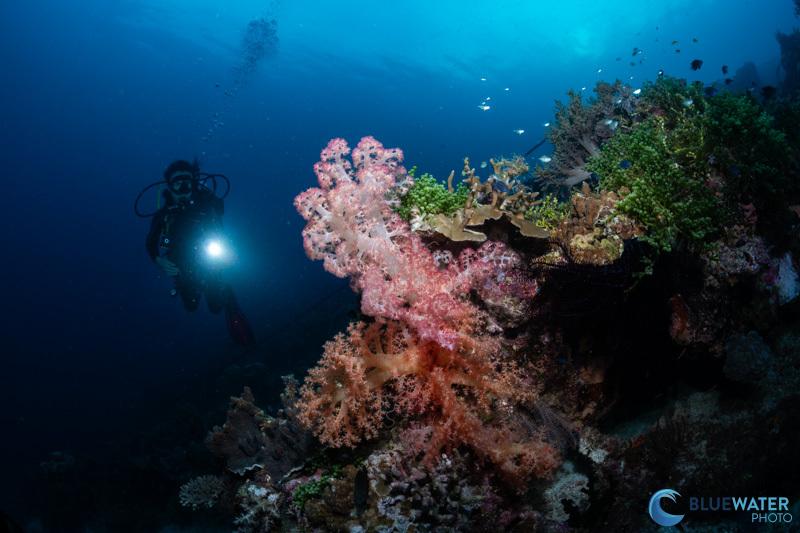
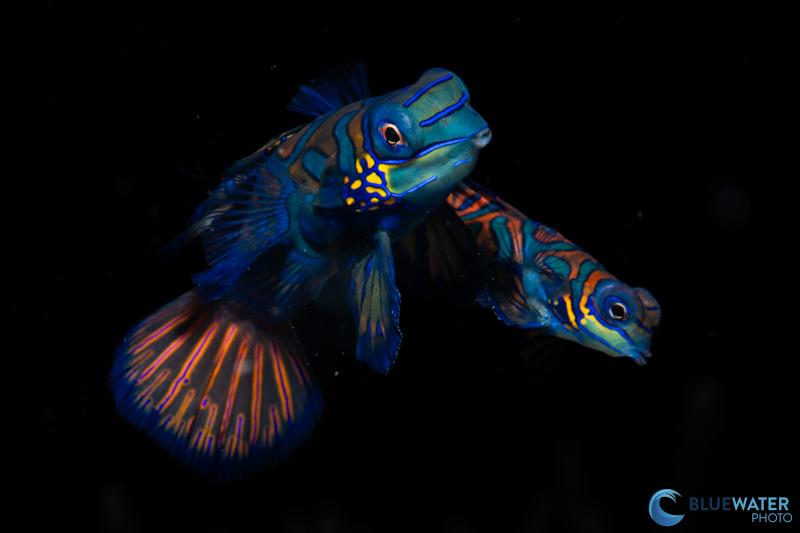
Some sample images taken using the Nikon Z8 in a Marelux housing with an Apollo III Strobe:
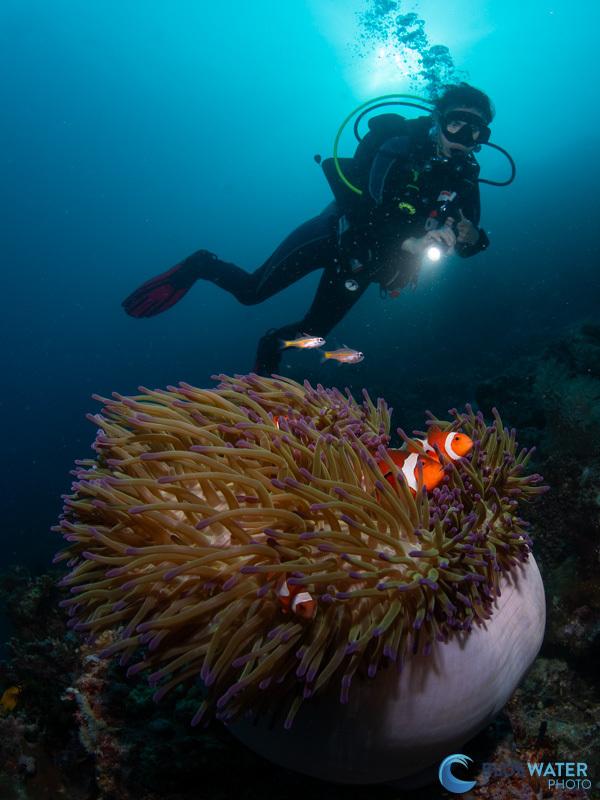
Related Underwater Gear Categories:
Specifications
Marelux Apollo III 2.1 technical specifications
Build
- Depth rating: 100m
- Dimensions: max diameter 90mm
- Main body length: 150mm
- Full length including knobs: 177mm
- Waterproof battery chamber
Lighting / Imaging
- Guide number: 44 on land
- Beam angle: 120°
- Beam angle with dome diffuser: 140°
- Color temperature: 6000K
- Color temperature with dome diffuser: 5500K
- White target light: 4 brightness levels, max 1500 lumens
Power
- Battery type: 3 × 18650 lithium batteries
- Full-power recycle time: 0.6 second
- Full-power flashes: around 800
- Land weight without battery: 1060g with ball mount
- Land weight with 3 × 18650 batteries: 1195g with ball mount
- Underwater weight: 125g with batteries and ball mount
Compatibility / Modes
- Supports Manual, TTL, HSS, M-HSS, and MTL workflows depending trigger setup
- TTL and HSS require compatible flash triggers
- MTL mode: continuous flashes up to 20 FPS at GN22
- Wireless trigger: two fisheye wireless sensors with 160° coverage
- Wireless modes: M, MTL, and M-HSS
- Fiber port modes: M, TTL, M-HSS, and MTL
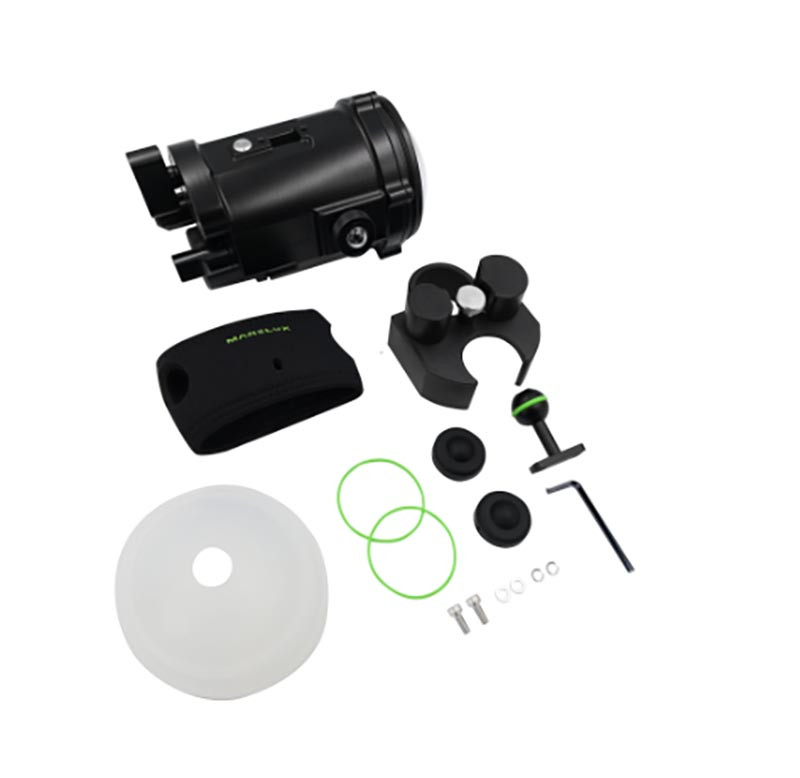
- Marelux Apollo III Underwater Strobe
- Ball Mount Adaptor
- Dome Diffuser
- Protective Rear Cover
- 2x O-Rings
- Fiber Port Plug
- Lanyard Sheet
Marelux Apollo III 2.1 questions buyers ask us
Will the Marelux Apollo III 2.1 work with my camera?
It depends on your camera, housing, and flash trigger. Manual optical triggering is broadly supported, but TTL and HSS require a compatible trigger and system setup.
Do I need a special trigger for TTL or HSS?
Yes. TTL and HSS modes require a compatible flash trigger, so contact Bluewater Photo before ordering if those modes are important to your workflow.
Can the Apollo III 2.1 be triggered wirelessly?
Yes, it supports wireless optical triggering in M, MTL, and M-HSS modes with compatible transmitter equipment. Wireless triggering is system-dependent, so confirm your exact setup.
What batteries does the Marelux Apollo III 2.1 use?
It uses 3 × 18650 lithium batteries. Use quality batteries, carry them safely, and bring spares for multi-dive shooting days.
Is this a good underwater strobe for wide-angle?
Yes. The GN44 output, 120° beam, and 140° dome diffuser coverage make it well suited to wide-angle reef, wreck, diver, and big-animal photography.
Is it too powerful for macro photography?
No. You can reduce power for macro work, and the target light helps with aiming and focus. The extra output is useful when you switch back to wide-angle or stop down for depth of field.
What accessories should I buy with it?
Most buyers need fiber optic cables or a compatible wireless trigger, strobe arms, clamps, batteries, and a charger. Float arms are also useful for balancing a dual-strobe rig.
How should I maintain it after diving?
Rinse thoroughly in fresh water, operate the controls while submerged in fresh water, and dry before opening the battery chamber. Inspect O-rings and keep fiber ports clean.